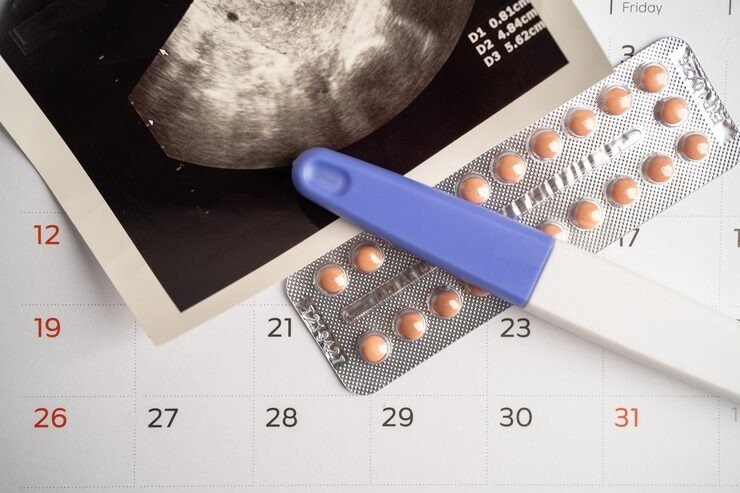

Fasting while taking abortion pills is not recommended, particularly on the day misoprostol takes effect. The active phase of medication abortion involves heavy bleeding, intense cramping, nausea, vomiting, and dizziness, all of which are significantly worsened by dehydration and an empty stomach. Maintaining adequate food and fluid intake during this period is a clinical necessity rather than a personal preference.
Why Fasting During the Active Phase Creates Real Risk
The physical demands of medication abortion during the active phase make fasting genuinely unsafe rather than simply uncomfortable.
- Heavy bleeding during the active phase causes fluid and blood loss that fasting makes significantly harder for the body to compensate for
- Dizziness and lightheadedness from blood loss are directly worsened by dehydration from fasting
- Nausea is a common misoprostol side effect and an empty stomach makes nausea and vomiting considerably more severe
- Ibuprofen taken for cramping should not be taken on an empty stomach and requires food to avoid causing stomach irritation and additional nausea
- Weakness and fatigue during the active phase are compounded by the absence of food and fluid intake that fasting requires
- Dehydration during medication abortion affects the overall physical experience and recovery in ways that extend beyond the active phase itself
Understanding how dehydration can affect the abortion pill process makes clear that fluid intake during this period is directly connected to how safely and comfortably the process moves forward.
What Islam Says About Fasting During Illness and Medical Need
Islamic scholarly consensus across major schools of thought holds that fasting is not obligatory when it causes genuine harm to health or when a person is ill or undergoing medical treatment. This is directly relevant to medication abortion.
- The Quran explicitly permits breaking the fast during illness with the obligation to make up missed fasts later
- Medication abortion qualifies as a medical procedure under Islamic jurisprudence in scholarly interpretations that permit the procedure itself
- Taking medications that require food and water to be safe and effective falls within the established categories of medical necessity that permit breaking the fast
- Making up missed fasts after recovery is the standard Islamic guidance for days missed due to genuine medical need
- Consulting with a trusted Islamic scholar or imam about your specific situation is always an option if you want religious guidance tailored to your circumstances
How Fasting Affects Each Part of the Abortion Pill Process
The two medications involved in medication abortion interact with fasting differently and understanding both is useful for planning.
Mifepristone taken on the first day produces minimal physical side effects for most people. Taking mifepristone while fasting is less immediately risky than taking misoprostol while fasting, though eating something light before or with mifepristone is still preferable to taking it on a completely empty stomach. Whether you can take the abortion pill on an empty stomach covers this in more detail and is worth reviewing before the first pill day.
Misoprostol taken 24 to 48 hours later is the medication that produces the active phase of bleeding and cramping. This is the day where fasting creates the most significant clinical concern. The combination of heavy blood loss, medication side effects, and no food or fluid intake is a genuinely difficult physical situation that increases the risk of severe dizziness, fainting, and worsening nausea beyond what the medication alone produces.
What to Eat and Drink During the Abortion Pill Process
Food and fluid intake during medication abortion does not need to be elaborate but it does need to be consistent enough to support the body through the active phase.
- Plain water, oral rehydration solutions, and clear fluids are the most important priority during the active phase when blood loss is highest
- Light easily digestible foods such as toast, crackers, rice, and soup are better tolerated during nausea than heavy or rich meals
- Eating something light before taking misoprostol reduces nausea severity and allows ibuprofen to be taken safely
- What to eat during the abortion pill process covers specific food choices that support comfort and recovery during each stage of the process
- Avoiding heavy, spicy, or rich foods during the active phase reduces the likelihood of nausea and vomiting worsening
Timing Misoprostol Around Suhoor and Iftar
For people who wish to observe as much of their fast as possible while still managing the medication abortion process safely, timing misoprostol around suhoor and iftar offers a partial middle ground worth considering.
Taking misoprostol immediately after suhoor means the most intense active phase, typically lasting two to six hours, occurs during fasting hours but with food and fluids already in the system from the pre-dawn meal. This does not eliminate the concern about fluid intake during the active phase but reduces the severity of fasting on an entirely empty stomach during peak bleeding and cramping.
Taking misoprostol at iftar means the active phase begins with food and fluids available and accessible throughout the night. This is the more clinically supported approach from a comfort and safety perspective as it ensures the body has consistent access to hydration and nutrition during the most physically demanding hours. Whether to take the abortion pill at night or daytime is relevant here and taking misoprostol at iftar aligns the active phase with the non-fasting window.
Ramadan, Emotional Wellbeing, and the Abortion Pill Process
Managing medication abortion during Ramadan carries an emotional dimension beyond the physical considerations that is worth acknowledging directly.
Navigating a significant medical process during a spiritually important period can feel isolating, particularly if the circumstances surrounding the pregnancy are already emotionally complex. Abortion and mental health during and after the process deserve the same attention as physical recovery and the added layer of managing religious practice during this time makes support from a trusted person particularly valuable.
Having support during abortion from someone you trust reduces both the practical and emotional burden of moving through the process during Ramadan. Practically, having someone present during the active phase who can ensure you are drinking fluids and managing symptoms safely is important when fasting instinct may work against the clinical need for hydration.
Pain Management During the Active Phase While Fasting
Pain management during medication abortion relies primarily on ibuprofen taken before cramping peaks, but ibuprofen requires food to be taken safely.
- Taking ibuprofen before abortion pill cramps start is the recommended pain management approach and cannot be safely followed while maintaining a complete fast
- Taking ibuprofen on a completely empty stomach during a fast increases the risk of stomach irritation, nausea, and gastrointestinal discomfort on top of existing misoprostol side effects
- A heating pad used for cramping does not require food or fluid intake and remains a safe comfort measure regardless of eating status during recovery
- Whether it is correct to use a heating pad during an abortion covers this as a complement to rather than a replacement for appropriate pain medication taken with food
When to Contact Your Provider
Reach out to your clinical team if any of the following apply during the medication abortion process.
Severe dizziness or fainting during the active phase that may be related to dehydration or blood loss. Vomiting that prevents keeping any fluids down for more than a few hours during the active phase. Bleeding that is soaking through more than two thick pads per hour for two or more consecutive hours. Pregnancy symptoms including nausea, breast tenderness, or fatigue persisting beyond two weeks after completing the medication. Any concern about managing the process safely given religious fasting obligations and individual health circumstances.
If you want clinical guidance on managing the medication abortion process during Ramadan or at any other time, book a confidential consultation at Serenity Choice Health today.

Dr. James Carter is a board-certified physician and lead clinician at Serenity Choice Health, specializing in reproductive health access and medication abortion protocols. With over 20+ years of experience, he combines clinical expertise with patient-centered care to ensure safe, compassionate, and confidential reproductive healthcare.