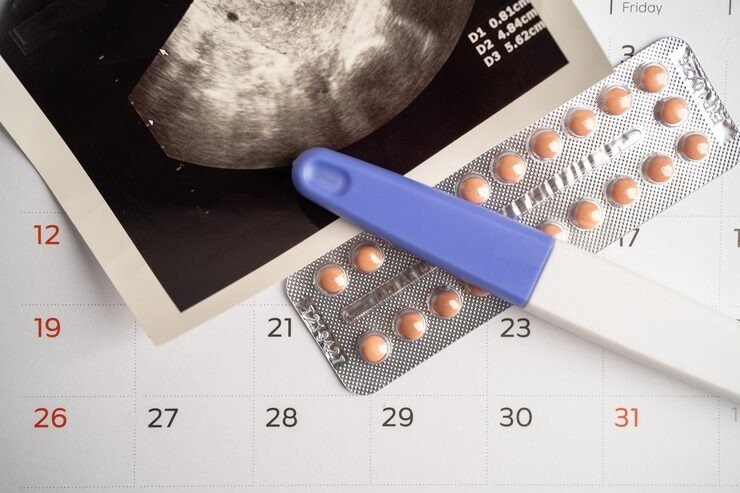

As of April 2026, it is medically possible to obtain abortion pills for future use (known as “advance provision”), but the legal risks depend heavily on your state of residence. While there is no federal law making the mere possession of FDA-approved abortion pills a crime, 13 states with near-total bans have recently implemented laws targeting the distribution and possession of these medications, with Louisiana specifically classifying mifepristone as a “controlled dangerous substance.”
What is Advance Provision?
Advance provision is the practice of obtaining a prescription and the medication before you are actually pregnant, so you have it on hand in case of a future need. This is a common practice for medications like the “morning-after” pill (Plan B), but the rules for abortion pills (mifepristone and misoprostol) are more complex.
-
Clinical Support: Many clinicians in “Access States” (like Illinois and New York) support advance provision because it ensures patients can access care within the FDA-approved 10-week window without the delay of shipping or travel.
-
Shelf Life: When stored correctly in a cool, dry place, mifepristone and misoprostol typically have a shelf life of 2 to 3 years.
Legal Risks by State (Current for April 2026)
The legality of keeping these pills at home is currently a primary battleground in state courts:
-
Shield Law States (e.g., Illinois, New York): In these states, advance provision is legal and protected. You can receive a consultation and keep the medication at home without legal concern.
-
Restrictive States (e.g., Texas, Mississippi, South Dakota): While these states primarily target “distributors” (the people sending the pills), new 2026 laws in places like South Dakota and Mississippi have introduced felony charges for the unauthorized distribution or possession of abortion pills with intent to use.
-
The Louisiana Exception: As of early 2026, Louisiana is the only state that has officially classified mifepristone and misoprostol as Schedule IV Controlled Dangerous Substances. This means possession without a valid, state-recognized prescription can result in criminal penalties similar to those for illegal possession of certain narcotics.
Digital Privacy and Possession
If you choose to keep medication at home in a restrictive state, your digital footprint is often the biggest legal risk:
-
Search & Purchase History: Evidence of ordering pills online can be used in investigations in some jurisdictions.
-
Privacy Protection: It is highly recommended to use a VPN, private browsers, and encrypted messaging apps when discussing or ordering medication.
-
Medical Records: At Serenity Choice Health, we maintain strict patient confidentiality, but it is important to know how your local state laws handle out-of-state medical data.
Support at Serenity Choice Health
We provide a safe and private experience for patients seeking care, including those interested in understanding their options for future access.
-
Telehealth Consultations: We can discuss the medical hormonal transition and safety of the pills during a virtual visit while you are in an access state.
-
Financial Aid: Our free abortion pill services for qualifying patients extend to all our care models, ensuring you are not limited by cost.
Are you currently in a state with a ban and looking for a legal way to secure medication for the future, or are you in an access state like Illinois? Book a confidential appointment or contact our team to discuss the safest and most legal way to manage your reproductive healthcare.

Dr. James Carter is a board-certified physician and lead clinician at Serenity Choice Health, specializing in reproductive health access and medication abortion protocols. With over 20+ years of experience, he combines clinical expertise with patient-centered care to ensure safe, compassionate, and confidential reproductive healthcare.