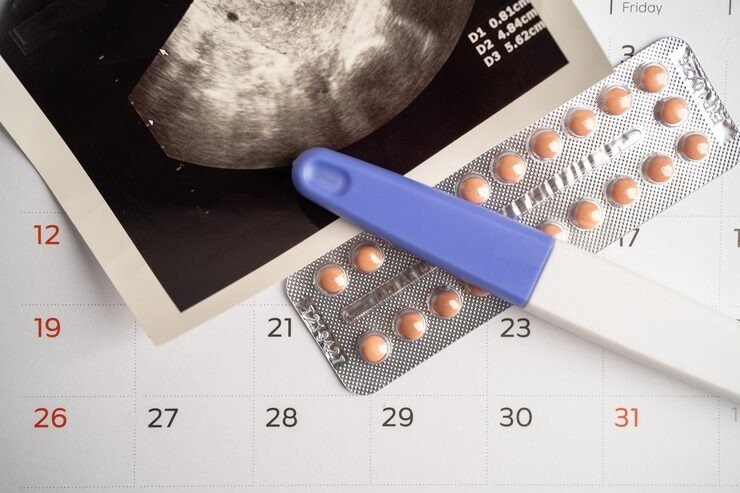

Yes, you can still be pregnant even if your home test is negative. This often happens if you tested too early, miscalculated your ovulation date, or if your urine was too diluted to detect Human Chorionic Gonadotropin (hCG) levels. To confidently confirm pregnancy, you should wait a few days to retest or seek a medical evaluation.
What This Means for Your Care
A negative home test means the device did not detect the pregnancy hormone in your system at that specific moment. However, it does not completely rule out an early pregnancy. If you ovulated later in your cycle than usual, your body may simply need more time to build up a detectable level of hCG.
If your period remains missing and you are trying to map out your timeline, you might wonder: should I see primary care or an OB-GYN? When dealing with an uncertain timeline, scheduling a professional evaluation at a specialized reproductive health clinic provides the immediate testing accuracy you need to understand your options.
Why a Test Can Be Negative When You Are Pregnant
There are several biological and practical reasons why a home pregnancy test might provide a “false negative” result during a delayed cycle:
-
Testing Too Early: If your cycle fluctuated this month, you may have conceived later than you think. A clinical assessment can help determine the cause of irregular periods if tracking your dates is consistently difficult.
-
Diluted Urine: Drinking a large amount of water right before taking a home test can water down the concentration of hCG, leading to an inaccurate negative reading.
-
Low Hormone Thresholds: Every person’s body builds up early pregnancy hormones at slightly different rates. A home test may miss a very early pregnancy that a laboratory-quality test or ultrasound can safely identify.
What You Should Do Next
If your cycle is delayed but your home test continues to read negative, follow these safe next steps:
-
Wait and Retest: Wait 3 to 5 days and take another home test using your first morning urine, which contains the highest concentration of pregnancy hormones.
-
Monitor for Ectopic Symptoms: In rare instances, an ectopic pregnancy (a pregnancy growing outside the uterus) can cause irregular hormone production and unusual spotting. Because severe localized pelvic pain can be a sign of a serious health issue, do not ignore persistent discomfort.
-
Arrange a Professional Evaluation: If you are ultimately considering scheduling an abortion pill appointment if you are pregnant, time is a critical factor. Booking a screening early ensures that you can see the same provider throughout your care once your status is officially verified.
When to Contact a Healthcare Provider
You should contact a medical professional if your period is more than a week late despite a negative test, or if you begin experiencing early physical changes like breast tenderness, fatigue, or mild nausea.
Seek immediate emergency medical attention if your late period is accompanied by severe abdominal pain, sharp cramping on one side of your pelvis, dizziness, or abnormal vaginal bleeding.
Contact Serenity Choice Health Today
Do not stay stuck in a cycle of uncertainty. Contact us today to voice your concerns or safely arrange a confidential, professional screening to get the definitive answers you deserve.
-
Call Our Team: Speak directly with a supportive, nonjudgmental care coordinator.

Dr. James Carter is a board-certified physician and lead clinician at Serenity Choice Health, specializing in reproductive health access and medication abortion protocols. With over 20+ years of experience, he combines clinical expertise with patient-centered care to ensure safe, compassionate, and confidential reproductive healthcare.