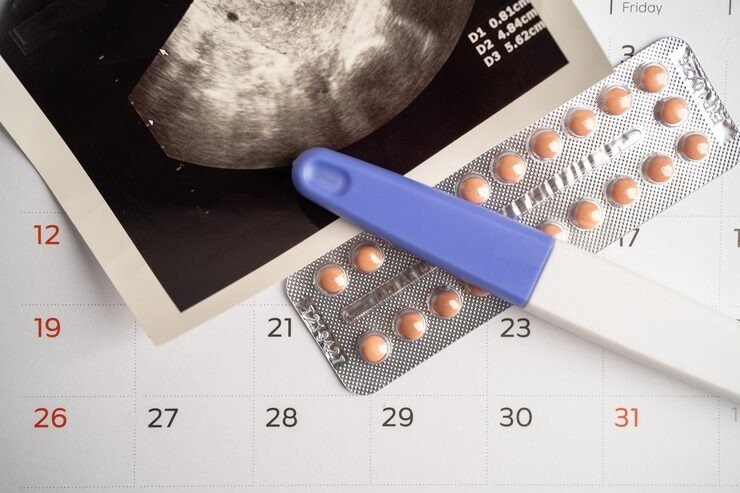

If your pregnancy test is positive but you are bleeding like a period, you should seek a professional medical evaluation right away. While light spotting can sometimes occur in very early pregnancy, heavy or period-like bleeding can indicate an early miscarriage, an ectopic pregnancy, or a subchorionic hematoma (bleeding around the placenta).
What This Means for Your Care
Experiencing significant bleeding after receiving a positive test result can be incredibly stressful and confusing. It is important to know that home tests detect the pregnancy hormone hCG, which can remain in your system for several weeks even if a pregnancy is failing. Because bleeding alters your clinical options and requires different safety protocols, establishing an accurate diagnosis is the top priority.
If you are facing this combination of symptoms and are unsure where to go, you might wonder: should I see primary care or an OB-GYN? When managing a time-sensitive issue or complex early symptoms, visiting a specialized reproductive health clinic ensures you receive an immediate diagnostic ultrasound and specialized evaluation.
Potential Causes of Heavy Bleeding
Only a healthcare professional can give you definitive answers using lab work and imaging, but heavy bleeding with a positive test typically points to a few distinct medical possibilities:
-
Early Miscarriage: Up to 20% of known pregnancies end in an early miscarriage, often before a person even realizes they are pregnant. The body naturally clears the uterine lining, which can look and feel exactly like a heavy period.
-
Ectopic Pregnancy: This is a dangerous condition where the pregnancy implants outside the uterus. It can cause irregular bleeding and represents a critical safety risk. Severe localized pelvic pain can be a sign of a serious health issue like an ectopic pregnancy, which demands emergency intervention.
-
Subchorionic Hemorrhage: This occurs when blood collects between the uterine wall and the pregnancy membrane. Many individuals experience heavy bleeding from a hematoma but go on to have a perfectly healthy, viable pregnancy.
-
Implantation or Cycle Irregularities: Sometimes, what seems like a period is actually heavy implantation bleeding. Additionally, if your cycles fluctuate regularly, a professional evaluation can help determine the cause of irregular periods to clarify your overall hormonal health.
Why Getting an Ultrasound Is the Critical Next Step
If you are ultimately considering scheduling an abortion pill appointment if the pregnancy is viable, you cannot proceed safely while experiencing active, heavy bleeding of unknown origin. An ultrasound is required to confirm whether the pregnancy is continuing or if a miscarriage has already occurred.
Dealing with early pregnancy complications can feel overwhelming, which is why having consistent medical attention is vital. Partnering with a dedicated clinic allows you to see the same provider throughout your care, ensuring your hormone tracking and physical evaluations are monitored by a team that understands your history.
When to Seek Immediate Emergency Attention
While some causes of bleeding can be managed during a scheduled clinic visit, certain warning signs mean you should go to the nearest emergency room immediately. Seek emergency care if your bleeding is accompanied by:
-
Severe or sharp abdominal pain, particularly if it is concentrated on one side
-
Bleeding heavy enough to soak through more than two maxi pads per hour for two consecutive hours
-
Dizziness, fainting, extreme lightheadedness, or feeling weak
-
Passing large blood clots larger than the size of a lemon
Contact Serenity Choice Health Today
If you are navigating bleeding after a positive test, you do not have to guess what is happening to your body. Contact us today to voice your concerns or to safely book an urgent, confidential screening to get clear, professional answers.
-
Call Our Team: Speak directly with a supportive, nonjudgmental clinical advocate today.

Dr. James Carter is a board-certified physician and lead clinician at Serenity Choice Health, specializing in reproductive health access and medication abortion protocols. With over 20+ years of experience, he combines clinical expertise with patient-centered care to ensure safe, compassionate, and confidential reproductive healthcare.