

Missing a scheduled dose of medication can be stressful under any circumstances, but it can feel especially overwhelming when that medication is misoprostol. Whether the medicine has been prescribed as part of a medication abortion, miscarriage management, cervical preparation before a medical procedure, or another approved medical treatment, it is understandable to wonder whether a missed dose could affect the outcome. Many people immediately begin searching online for answers after realizing they have forgotten to take their medication, hoping to understand what happens next and whether they should take action immediately.
A missed misoprostol dose does not automatically mean that your treatment has failed. However, the next step depends on several factors, including why the medication was prescribed, how much time has passed since the scheduled dose, and where you are in your treatment plan. Because misoprostol is used in several different medical situations, there is no single answer that applies to everyone. Advice that may be appropriate for one person could be unsuitable for another, which is why individualized guidance from a healthcare provider remains the safest approach.
This article explains what generally happens if you miss a dose of misoprostol, why timing matters, and what factors healthcare providers consider when deciding the safest next step. Rather than offering one-size-fits-all instructions, the goal is to help you better understand the medication and know when professional medical advice is important.
Understanding Misoprostol and How It Works
Misoprostol is a prescription medication that has been used in healthcare for many years. It belongs to a class of medicines known as prostaglandin analogs, which work by affecting smooth muscle and certain tissues throughout the body. Depending on why it is prescribed, misoprostol can stimulate uterine contractions, soften and dilate the cervix, or help protect the stomach lining from damage caused by certain anti-inflammatory medications.
Many people recognize misoprostol because it is commonly used as part of a medication abortion regimen. In this setting, it is often taken after mifepristone to help empty the uterus. For a full explanation of how both medications work together, read our guides on what to expect from misoprostol, how the abortion pill works, and the mifepristone guide. However, this is only one of several medical uses. Healthcare professionals may also prescribe misoprostol to help manage an early pregnancy loss — read our miscarriage diagnosis, treatment, and aftercare guide for more on that context — prepare the cervix before certain gynecologic procedures, or prevent stomach ulcers in people taking long-term nonsteroidal anti-inflammatory drugs (NSAIDs). In hospitals, it may also be used under medical supervision to help prevent or treat postpartum hemorrhage after childbirth.
Because the medication serves different purposes, the timing and dosing schedule can vary considerably. Someone taking misoprostol for ulcer prevention may receive multiple doses each day over an extended period, while another person may take a limited number of doses over a much shorter timeframe as part of reproductive healthcare. This variation is one of the main reasons why there is no universal recommendation for every forgotten misoprostol dose.
It is also important to remember that every treatment plan is designed with a specific goal in mind. Your healthcare provider determines the dosage, timing, and route of administration based on your individual medical needs, current health, and the condition being treated. Following those instructions as closely as possible helps maximize the medication’s effectiveness while reducing the likelihood of unnecessary complications. Our medication abortion explained guide provides a comprehensive overview of how the full process works from start to finish.
Although missing a dose can understandably cause concern, it is often a situation that healthcare providers can address by reviewing your treatment schedule and determining the most appropriate next step. Remaining calm and seeking reliable medical guidance is usually far more helpful than making assumptions based on information intended for someone else’s circumstances.
Why Timing Matters When Taking Misoprostol
One of the most common questions people ask after realizing they forgot their medication is whether taking it later will still work. The answer depends largely on why misoprostol was prescribed and how closely the medication needs to follow a specific schedule.
Timing plays an important role because misoprostol is intended to produce predictable effects within a particular period. In medication abortion, for example, the interval between medications may influence how the treatment progresses. In other situations, such as preventing stomach ulcers, maintaining consistent levels of the medication may help provide continuous protection. These examples illustrate why healthcare providers emphasize following the prescribed schedule whenever possible.
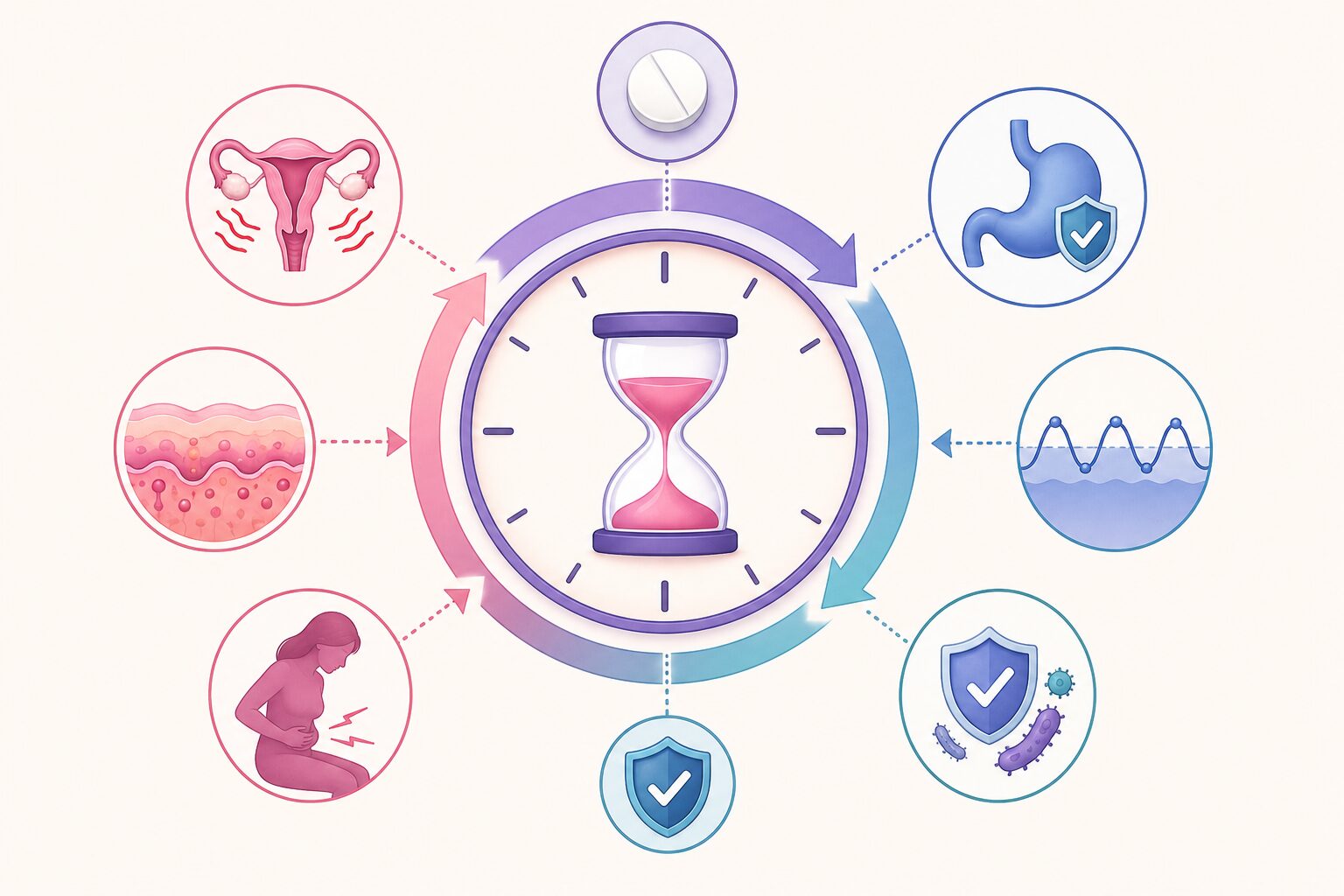
However, it is equally important not to assume that every delay has the same consequences. Missing a dose by a short period does not necessarily have the same impact as missing an entire day of medication. Likewise, recommendations may differ depending on whether the medication has just been prescribed, whether treatment is nearly complete, or whether symptoms have already begun.
Healthcare providers consider several factors before deciding what someone should do after a delayed dose. They may review how much time has passed since the scheduled dose, whether other medications have already been taken, how the patient is responding to treatment, and whether any symptoms suggest that the medication has already begun working. This individualized approach helps ensure that treatment decisions are based on the person’s actual situation rather than on general assumptions.
Another reason timing matters is that taking medication outside the prescribed schedule without guidance may increase the chance of side effects without necessarily improving the effectiveness of treatment. For this reason, healthcare professionals generally recommend contacting the prescribing clinic or provider whenever there is uncertainty instead of attempting to adjust the treatment plan independently. Our abortion safety medical facts guide covers what the evidence says about medication abortion safety and effectiveness when followed correctly.
Although it is natural to worry after realizing you have forgotten a dose, many missed or delayed doses can be managed safely with appropriate medical advice. The most important step is recognizing the situation early and seeking accurate information rather than relying on online anecdotes or social media discussions that may not reflect your circumstances.
What Happens If You Miss a Dose of Misoprostol?
Discovering that you have missed a scheduled dose can trigger immediate anxiety. Many people assume that the medication will no longer work or that the entire treatment process must begin again. Fortunately, that is not always the case. A missed misoprostol dose does not automatically mean the medication has failed or that you will need to restart treatment. The appropriate response depends on the specific circumstances surrounding your prescription.
One of the first questions healthcare providers usually ask is when you realized the dose was missed. The amount of time that has passed can influence the next recommendation. They will also consider why you are taking misoprostol, whether you have already taken any accompanying medications, and whether you have experienced symptoms such as cramping, bleeding, or other expected treatment effects. Each of these details helps determine the safest and most effective course of action. For more on what bleeding patterns are normal during this process, see our guide on bleeding after the abortion pill.
For some individuals, taking the missed dose after a short delay may still be appropriate. In other situations, especially when more time has passed or the medication is being used for a specific medical purpose with carefully timed dosing intervals, the healthcare provider may recommend a different approach. This is why it is important not to rely on general advice found online, even if someone else’s experience seems similar to your own. The same medication can be prescribed for different conditions, and the correct response to a missed dose may differ accordingly.
It is also worth remembering that missing one dose does not necessarily erase the effects of medication that has already been taken. Depending on your treatment plan, the medication may still provide benefits, and your healthcare provider can evaluate whether any adjustments are needed. Remaining calm and obtaining professional guidance is usually the most effective way to protect both your safety and the success of your treatment.
Can You Take Misoprostol Late?
One of the first questions people ask after realizing they have forgotten their medication is, “Can I take misoprostol late?” While this is a common concern, there is no universal answer because the safest course of action depends on why the medication was prescribed and how much time has passed since the scheduled dose.
In many cases, a delayed dose does not automatically mean that treatment will fail. Healthcare providers frequently assess the timing of the missed dose, the overall treatment plan, and any symptoms you may already be experiencing before deciding whether you should take the medication later, skip the missed dose, or follow another recommendation. What is appropriate for one patient may not be appropriate for another, which is why personalized medical guidance is so important.
For example, if misoprostol is being used as part of a medication abortion, the timing between medications is planned to help achieve the intended effect. A delay may not always prevent the medication from working, but it can influence the treatment process. Our guide on when abortion pills don’t work explains what happens in cases where the medication is not effective and what your options are. Similarly, when misoprostol is prescribed for miscarriage management or another gynecologic purpose, healthcare providers may consider your symptoms and treatment progress before advising the next step.
If you realize you have forgotten your medication, avoid assuming that taking it immediately is always the correct solution. Instead, review the instructions provided with your prescription and contact your healthcare provider if you are unsure how to proceed. This helps reduce the risk of taking the medication incorrectly while ensuring you receive advice tailored to your specific medical situation.
Should You Take the Missed Dose or Skip It?
Many people believe that every missed medication should simply be taken as soon as they remember. Although this advice applies to some medications, it is not always appropriate for misoprostol. The correct approach depends on your prescribed dosing schedule, the reason for treatment, and how much time has passed.
If you discover the missed dose shortly after the scheduled time, your healthcare provider may advise taking it as soon as possible. In other situations, particularly if the next scheduled dose is approaching or if your treatment follows a carefully timed sequence, different instructions may be recommended. Trying to decide on your own could lead to unnecessary side effects or interfere with your treatment plan.
Rather than guessing, consider these general principles:
- Check the medication instructions you received from your healthcare provider
- Review any written treatment plan or discharge instructions
- Contact your prescribing clinic if you are uncertain about the next step
- Avoid making changes to your dosing schedule without professional advice
Remember that online advice cannot account for your medical history, current symptoms, or the reason you are taking misoprostol. Even if someone else’s situation appears similar, their treatment plan may be entirely different. Our your abortion experience before, during, and after care guide provides a full walkthrough of what to expect at each stage of the medication abortion process.
Why You Should Never Double a Dose Without Medical Advice
When people realize they have missed medication, they sometimes think taking two doses together will “catch up” and restore the original schedule. However, this is generally not recommended unless a healthcare provider specifically instructs you to do so.
Misoprostol can produce noticeable side effects even when taken exactly as prescribed. Taking additional tablets without medical guidance may increase the intensity of these effects without providing additional benefit. Because the medication acts on smooth muscle and other tissues, taking more than the prescribed amount may lead to unnecessary discomfort and, in some situations, additional medical concerns.
Possible side effects that may become more pronounced include:
- Stronger uterine cramping
- Increased nausea
- Vomiting
- Diarrhea
- Fever
- Chills
- Abdominal discomfort
These symptoms do not necessarily indicate that treatment is more effective. Instead, they may simply reflect increased exposure to the medication. For guidance on managing common side effects, read our guides on nausea after abortion and abortion pain management. You should also be aware of alcohol after misoprostol and why it should be avoided during your recovery period.
If you think you may have accidentally taken too much misoprostol or are unsure whether you repeated a dose, contact your healthcare provider or local poison center for guidance. If you develop severe symptoms or signs of a medical emergency, seek immediate medical care.
When Should You Contact Your Healthcare Provider?
Although some missed doses can be managed without major changes to treatment, there are situations where contacting your healthcare provider is the safest choice. They can review your treatment schedule, evaluate your symptoms, and determine whether any adjustments are necessary.
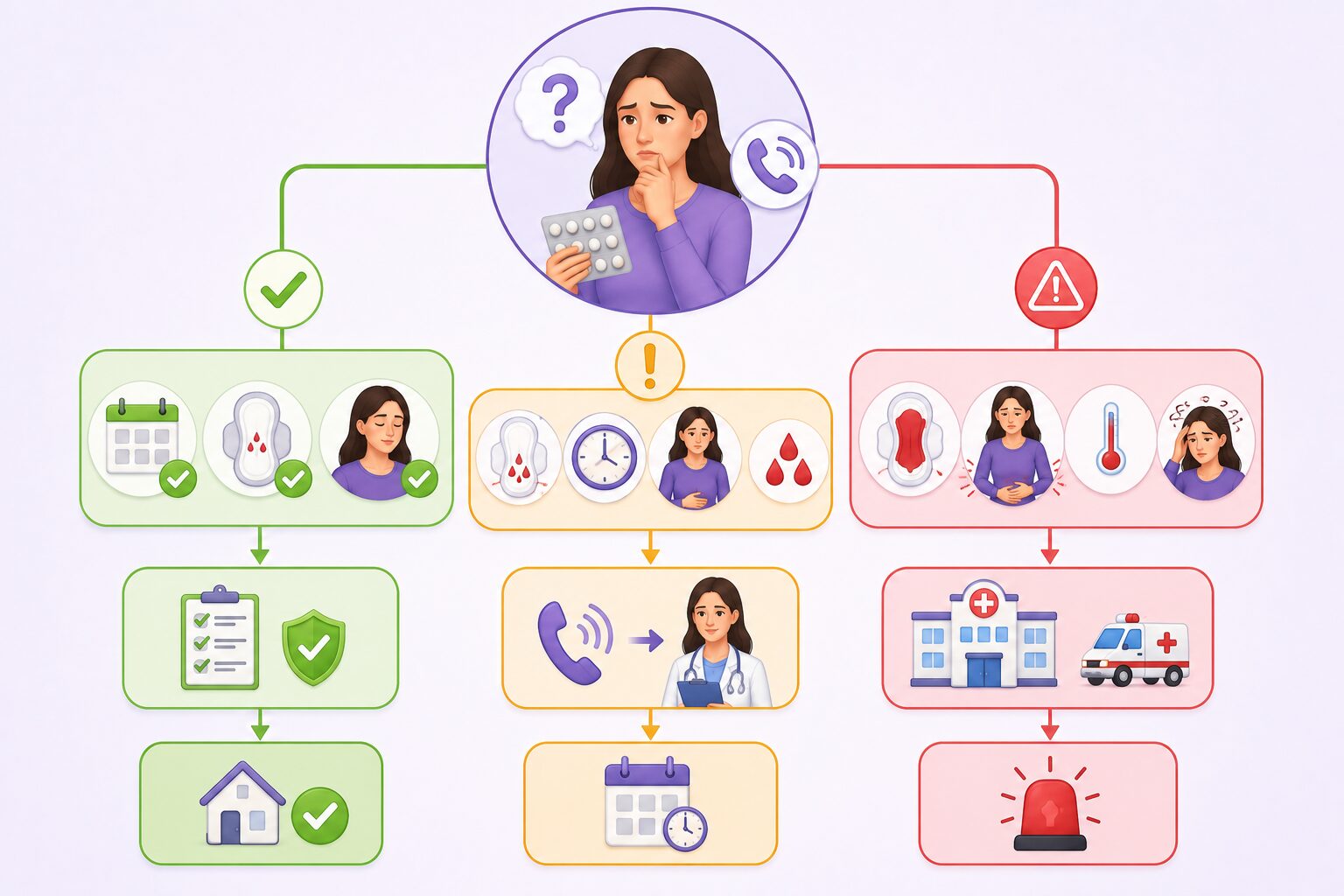
You should contact your healthcare provider if:
- You are unsure whether you missed a dose
- You accidentally skipped part of your prescribed treatment
- You are uncertain whether you should take the medication late
- You vomited shortly after taking misoprostol and are unsure whether the medication was absorbed
- Your symptoms are different from what you were told to expect
- You have questions about how to continue your treatment safely
Receiving professional guidance can often prevent unnecessary anxiety while helping ensure that your treatment continues as intended. Our telehealth abortion care service includes follow-up consultations so you can reach a provider quickly from home. You can also book a confidential appointment for in-person evaluation if needed. Our in-clinic abortion services are available for situations that require additional in-person care.
Seek Emergency Medical Care Immediately If You Experience:
While many side effects associated with misoprostol are expected and temporary, certain symptoms require prompt medical evaluation. Seek emergency care if you experience:
- Very heavy bleeding, especially if it is much heavier than your healthcare provider advised you to expect
- Severe abdominal pain that continues to worsen or does not improve
- Difficulty breathing
- Loss of consciousness or fainting
- Persistent high fever or fever that develops after the expected medication effects have passed
- Signs of a severe allergic reaction, such as swelling of the face, lips, tongue, or throat
These symptoms should never be ignored, regardless of whether you missed a dose.
Common Mistakes People Make After Missing a Dose
After searching “forgot to take misoprostol”, many people come across conflicting advice online. Unfortunately, some of that information is inaccurate or intended for completely different medical situations. Understanding the most common mistakes can help you make safer decisions.
Relying on Social Media Instead of Medical Advice
Online forums and social media groups often contain personal experiences rather than medical recommendations. While these stories may seem reassuring, they do not replace professional guidance. Every person’s treatment plan is different, and advice that worked for someone else may not be appropriate for you.
Changing the Treatment Schedule Yourself
Some people decide to adjust the timing of future doses in an attempt to “fix” the schedule. Others skip remaining doses because they assume treatment has already failed. Both approaches can create unnecessary confusion and may interfere with your healthcare provider’s treatment plan.
Taking Additional Tablets
Taking extra medication without instructions from a healthcare provider is another common mistake. More medication does not necessarily improve treatment outcomes and may simply increase the likelihood of side effects.
Ignoring Persistent Symptoms
Some people hesitate to contact their healthcare provider because they worry they are overreacting. However, if your symptoms are concerning, unusually severe, or different from what you were told to expect, it is always appropriate to seek medical advice.
How to Reduce the Risk of Missing a Dose
Although missing a dose can happen to anyone, a few simple habits can make it easier to follow your prescribed treatment schedule.
Using reminders is one of the most effective strategies. Many smartphones allow you to schedule medication alerts, and numerous medication reminder apps are available for people who take prescription medicines regularly. If your treatment follows a specific timeline, setting multiple reminders can help ensure that you do not accidentally overlook an important dose.
Keeping your medication in a safe but visible location may also help, provided it remains out of reach of children and stored according to the manufacturer’s recommendations. Some people find it helpful to review their written treatment instructions before each scheduled dose so they remain familiar with the timing and any special instructions provided by their healthcare professional.
If you know you will be traveling or away from home, planning ahead can also reduce the chance of missing your medication. Having your prescription readily available and knowing your treatment schedule in advance can make it easier to stay on track.
Most importantly, if something unexpected happens and you do miss a dose, avoid panicking. Missing medication is a situation healthcare providers encounter regularly, and they can usually advise the safest next steps based on your individual circumstances.
Key Takeaways
Realizing you have missed a dose of misoprostol can be worrying, but it is important to remember that a missed misoprostol dose does not automatically mean your treatment has failed. The appropriate response depends on several factors, including why the medication was prescribed, how much time has passed since the scheduled dose, and your current symptoms. Because these details vary from person to person, there is no single recommendation that fits every situation.
Rather than making assumptions or following advice that may not apply to your treatment, review the instructions provided by your healthcare provider and seek professional guidance whenever you are uncertain. Avoid doubling doses or changing your medication schedule without medical advice, as doing so may increase side effects without improving the effectiveness of treatment.
Understanding how misoprostol works, why timing matters, and when to seek medical care can help you respond calmly and confidently if a missed dose occurs. With appropriate guidance, many missed or delayed doses can be managed safely while allowing your healthcare provider to determine the best path forward. Our guide on how to know if the abortion pill worked explains how to confirm the outcome once your treatment is complete. Visit our abortion pill page for a full overview of the medication abortion process, and reach out to our women’s primary care services for any ongoing follow-up support you need.
Frequently Asked Questions
What happens if I miss a dose of misoprostol?
A missed dose does not automatically mean your treatment has failed. The next steps depend on why you are taking misoprostol, how much time has passed, and your treatment plan. Contact your healthcare provider if you are unsure how to proceed.
Can I take misoprostol a few hours later?
In some situations, taking the medication later may still be appropriate, but this varies depending on your prescription and the reason for treatment. Your healthcare provider is the best source of guidance for delayed doses.
Should I restart my treatment if I forgot a dose?
Not necessarily. Many people do not need to restart treatment after missing one dose. Your healthcare provider can determine whether any adjustments are needed based on your individual circumstances.
Is it safe to take two doses together?
Do not take a double dose unless your healthcare provider specifically instructs you to do so. Taking additional medication without guidance may increase side effects without providing additional benefit.
When should I seek emergency medical care?
Seek immediate medical attention if you experience severe abdominal pain, very heavy bleeding, difficulty breathing, fainting, persistent high fever, or signs of a severe allergic reaction. These symptoms require prompt medical evaluation regardless of whether a dose was missed.

Dr. James Carter is a board-certified physician and lead clinician at Serenity Choice Health, specializing in reproductive health access and medication abortion protocols. With over 20+ years of experience, he combines clinical expertise with patient-centered care to ensure safe, compassionate, and confidential reproductive healthcare.