

Sexually transmitted infections (STIs) are common, but many people delay getting tested because they feel embarrassed, hope symptoms will disappear, or assume they are not at risk. Unfortunately, waiting can allow an infection to progress, increase the risk of complications, and make it easier to unknowingly pass the infection to someone else.
Same-Day STI Testing gives you the opportunity to receive prompt evaluation, confidential testing, and guidance from experienced healthcare providers without unnecessary delays. Whether you’ve recently had unprotected sex, noticed unusual symptoms, or simply want peace of mind, getting tested as soon as possible is one of the most responsible decisions you can make for your health.
At Serenity Choice Health, compassionate providers understand that sexual health concerns can feel stressful. That’s why confidential testing, personalized care, and timely treatment recommendations are designed to help you move forward with confidence.
What Is Same-Day STI Testing?
Same-Day STI Testing allows patients to visit a healthcare provider, complete the necessary testing, and begin the evaluation process during the same appointment. Depending on the infection being tested, some preliminary results may be available quickly, while laboratory-based tests may require additional processing time.
The purpose of same-day testing is not necessarily to receive every result immediately, but to eliminate unnecessary waiting before beginning the diagnostic process.
Testing may include:
- Urine samples
- Blood tests
- Vaginal swabs
- Cervical swabs
- Throat or rectal swabs when appropriate
Healthcare providers determine which tests are most appropriate based on your symptoms, medical history, and recent sexual activity.
Why You Shouldn’t Delay STI Testing
Many sexually transmitted infections cause few or no symptoms during their early stages. Someone may feel completely healthy while still carrying an infection without knowing it, yet still be able to transmit it to sexual partners.
Delaying testing can increase the risk of:
- Developing more severe symptoms
- Pelvic inflammatory disease (PID)
- Fertility complications
- Chronic pelvic pain
- Pregnancy complications
- Increased transmission to partners
- Delayed treatment
Early diagnosis often leads to simpler treatment, faster recovery, and fewer long-term health complications.
Perhaps most importantly, knowing your status allows you to make informed decisions that protect both your health and the health of others.
Signs You Should Schedule Same-Day STI Testing
Not every symptom indicates an STI, but several warning signs should never be ignored.
Unusual Vaginal Discharge
Changes in color, consistency, odor, or amount of vaginal discharge can sometimes indicate infections such as chlamydia, gonorrhea, or trichomoniasis.
Although discharge may also change because of non-sexually transmitted conditions, proper testing is the only way to determine the underlying cause.
Burning During Urination
Pain or burning while urinating is often associated with urinary tract infections, but it can also be caused by several sexually transmitted infections.
Rather than assuming it’s a simple UTI, healthcare providers may recommend STI testing based on your symptoms and recent sexual history.
Genital Sores or Blisters
Open sores, painful ulcers, or small blisters around the genital area require prompt medical evaluation.
These symptoms may be associated with herpes, syphilis, or other infections that benefit from early diagnosis and treatment.
Pelvic Pain
Persistent pelvic pain—especially when combined with fever, abnormal discharge, or painful intercourse—may indicate a more serious infection requiring immediate medical attention.
Ignoring pelvic pain can increase the risk of long-term reproductive health complications.
Unusual Bleeding
Bleeding between periods or after sexual intercourse is another symptom that deserves prompt evaluation.
Although many conditions can cause abnormal bleeding, STI testing is often an important part of determining the cause.
Pain During Sexual Intercourse
Pain during intercourse should never be considered normal.
Inflammation caused by certain infections may contribute to discomfort, making evaluation and testing especially important.
Situations That Call for Same-Day STI Testing
Symptoms aren’t the only reason to seek immediate testing.
Many people should schedule Same-Day STI Testing even if they feel completely healthy.
After Unprotected Sex
If you’ve had sexual contact without barrier protection, testing may be appropriate depending on the timing and potential exposure.
A healthcare provider can recommend when testing should occur, since different infections have different testing windows.
If Your Partner Tests Positive
If a current or recent sexual partner has been diagnosed with an STI, you should arrange testing promptly—even if you have no symptoms.
Many infections remain silent for weeks or months before symptoms appear.
Before Beginning a New Relationship
Many couples choose to undergo STI screening before becoming sexually active together.
Testing provides reassurance and supports open, honest conversations about sexual health.
After a Condom Breaks
Condoms significantly reduce the risk of STI transmission, but no method offers complete protection.
If a condom breaks during intercourse, discussing your situation with a healthcare provider can help determine whether immediate testing or follow-up screening is appropriate.
If You’ve Had Multiple Partners
Individuals with multiple sexual partners may benefit from more frequent sexual health screenings, even when no symptoms are present.
Routine testing supports early detection and helps reduce the spread of infections within the community.
Which STIs Are Commonly Included?
A comprehensive sexual health evaluation may include testing for one or more of the following infections:
- Chlamydia
- Gonorrhea
- HIV
- Syphilis
- Herpes (when clinically appropriate)
- Trichomoniasis
- Hepatitis B
- Hepatitis C
- Human Papillomavirus (HPV) in appropriate clinical settings
Not every patient requires every test. Your healthcare provider will recommend the most appropriate screening based on your symptoms, risk factors, age, and sexual history.
What Happens During a Same-Day STI Testing Appointment?
Many people postpone STI testing because they are unsure what to expect. In reality, the process is typically straightforward, confidential, and designed to make patients feel as comfortable as possible.
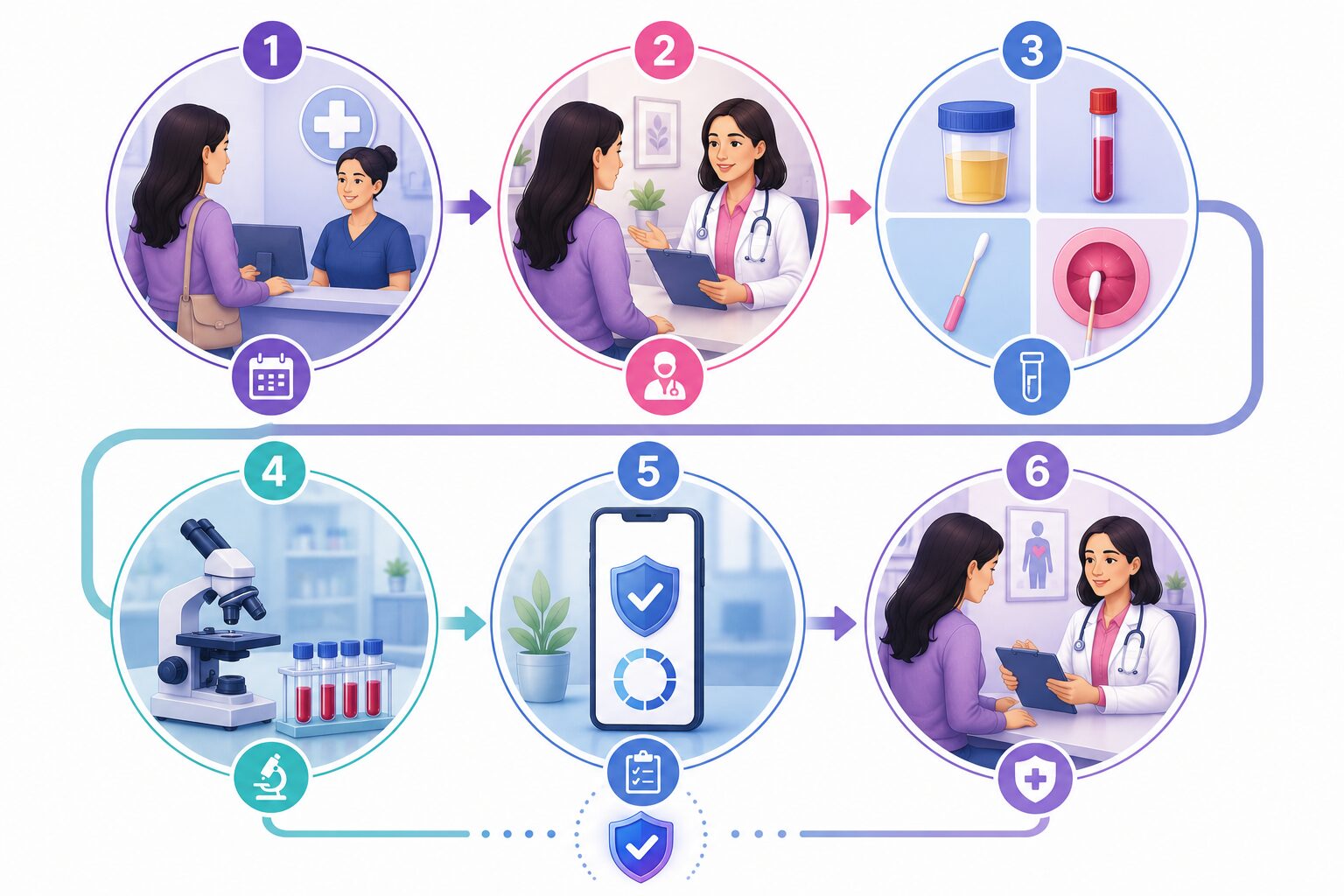
At Serenity Choice Health, your appointment begins with a private discussion about your symptoms, recent sexual activity (only as much as you’re comfortable sharing), medical history, and any concerns you may have. This information helps your healthcare provider recommend the most appropriate tests.
Depending on your situation, testing may involve:
- A urine sample
- A blood sample
- A vaginal or cervical swab
- A throat or rectal swab, if appropriate based on exposure
- A physical examination if visible symptoms such as sores, rashes, or unusual discharge are present
Not everyone needs every type of test. Your provider will recommend a personalized testing plan based on your symptoms, potential exposure, and risk factors.
Some rapid tests may provide preliminary results on the same day, while others require laboratory processing and may take a few days. If treatment is appropriate before final results are available, your provider will explain your options and discuss the best next steps.
Why Early STI Diagnosis Matters
Early detection is one of the most effective ways to protect your health. Many sexually transmitted infections respond well to treatment when identified promptly, helping reduce the risk of long-term complications.
Seeking Same-Day STI Testing offers several important benefits:
Prevents Complications
Untreated infections can lead to serious health issues, including pelvic inflammatory disease (PID), chronic pelvic pain, infertility, and pregnancy-related complications. Early diagnosis helps lower these risks by allowing treatment to begin sooner when appropriate.
Protects Your Sexual Partners
Many STIs can be transmitted even when symptoms are mild or completely absent. Knowing your status enables you to make informed decisions, reduce the risk of transmission, and encourage partners to seek testing if necessary.
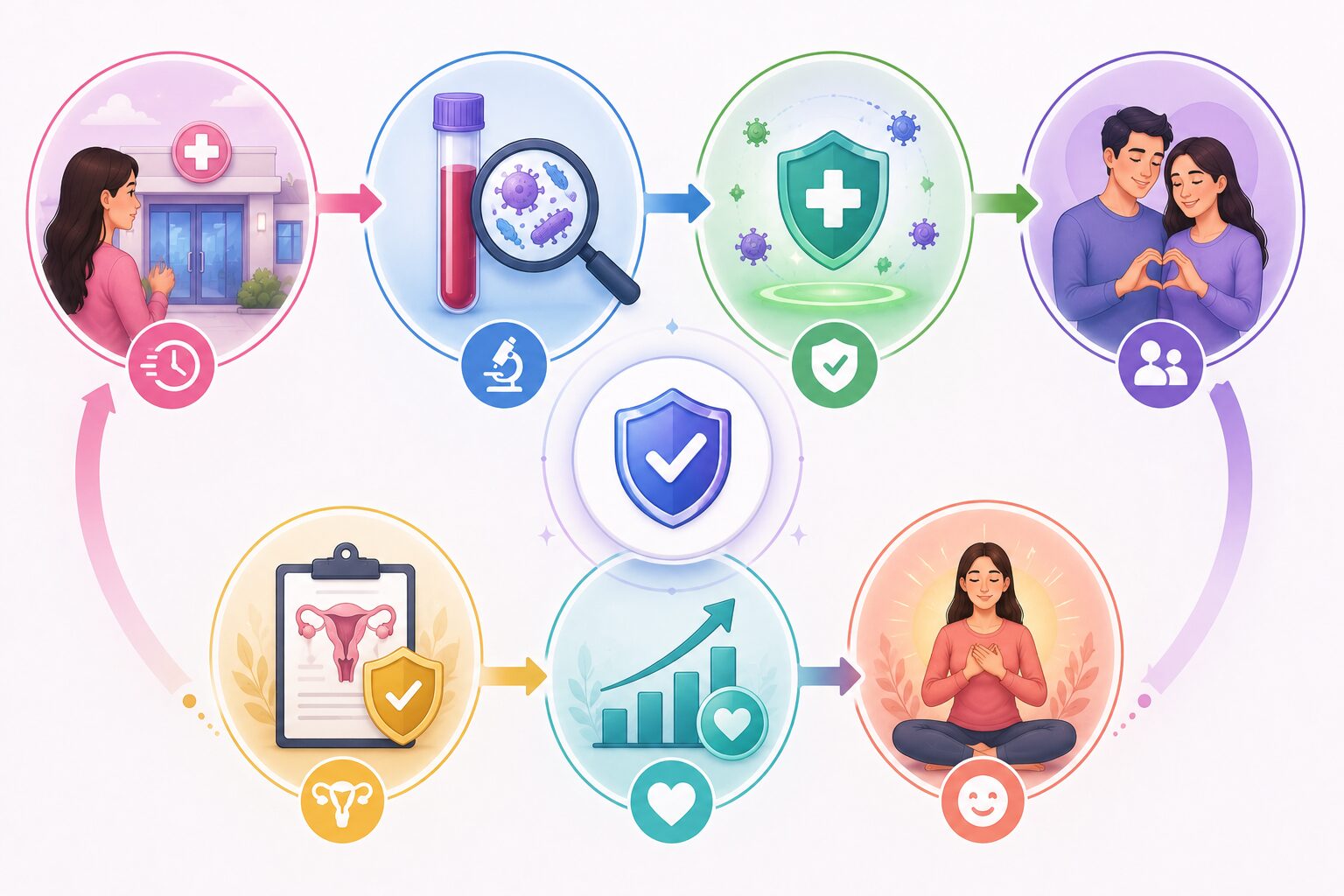
Provides Peace of Mind
Waiting and wondering can create unnecessary stress. Whether your results are negative or indicate the need for treatment, having accurate information allows you to move forward with confidence.
Supports Long-Term Sexual Health
Routine STI testing is an important part of preventive healthcare. It helps detect infections early, promotes healthy relationships, and encourages ongoing conversations about sexual wellness. A women’s primary care visit is also a good opportunity to fold sexual health screening into your broader routine care.
Many STIs Don’t Cause Symptoms
One of the biggest misconceptions about sexually transmitted infections is that they always produce noticeable symptoms. In reality, many infections remain “silent” for weeks, months, or even longer.
For example:
- Chlamydia often causes no symptoms, especially in women.
- Gonorrhea may be asymptomatic but can still damage reproductive organs if left untreated.
- HIV may initially resemble a mild viral illness or cause no symptoms at all.
- Human papillomavirus (HPV) frequently has no visible signs, yet certain types may increase the risk of cervical abnormalities.
- Syphilis progresses through different stages, and symptoms can disappear temporarily even though the infection remains active.
Because symptoms aren’t always reliable, healthcare providers often recommend screening based on your sexual history and potential exposure—not just how you feel.
When Routine STI Screening Is Recommended
Even if you don’t have symptoms, regular STI testing may be appropriate if you:
- Have a new sexual partner
- Have multiple sexual partners
- Have had an STI in the past
- Have a partner who has tested positive for an STI
- Are sexually active and have not been tested recently
- Want reassurance before beginning a new relationship
Routine screening is a proactive way to protect your health and identify infections before they cause complications. How often you should be screened depends largely on your individual risk factors.
Your healthcare provider can recommend a testing schedule that fits your individual needs and lifestyle.
Confidential, Compassionate Care Matters
It’s normal to feel nervous about STI testing. Many people worry about privacy, being judged, or receiving unexpected results. Choosing a trusted healthcare provider can make the experience much less stressful.
At Serenity Choice Health, patient privacy and compassionate care are central to every visit. Providers understand that discussing sexual health can feel personal, and they are committed to creating a respectful, confidential environment where you can ask questions openly and receive evidence-based guidance.
Whether you’re experiencing symptoms, have recently been exposed, or simply want routine screening, you’ll receive personalized care focused on your health—not judgment.
Don’t Ignore Symptoms That Could Signal an STI
Ignoring symptoms or delaying testing won’t make an infection go away. In many cases, waiting allows an infection to progress and increases the chance of complications or transmission.
If you’re experiencing symptoms such as:
- Unusual discharge
- Burning during urination
- Genital sores or blisters
- Pelvic pain
- Unexplained bleeding
- Pain during intercourse
- A recent exposure to an STI
it’s important to seek medical evaluation as soon as possible. Prompt testing helps you understand what’s happening and gives you access to the appropriate care without unnecessary delays.
Conclusion
Your sexual health deserves the same attention as every other aspect of your well-being. Whether you’re experiencing symptoms, have recently had unprotected sex, or simply want reassurance, Same-Day STI Testing provides an opportunity to identify infections early and take appropriate action.
Many STIs can be effectively managed when detected promptly, while delayed testing may increase the risk of complications and ongoing transmission. Getting tested isn’t just about protecting yourself it’s also an important step toward protecting your partners and supporting your long-term reproductive health.
If you have concerns about possible exposure or symptoms, don’t wait for them to become worse. Seeking timely medical care can provide clarity, peace of mind, and access to the support you need.
Schedule Confidential Same-Day STI Testing at Serenity Choice Health
If you’re looking for confidential, compassionate sexual healthcare, Serenity Choice Health is here to help.
Our experienced providers offer personalized STI evaluations, comprehensive testing, and guidance tailored to your individual needs. Whether you’re experiencing symptoms or simply want routine screening, we’re committed to providing respectful, judgment-free care.
Take control of your sexual health today by scheduling your Same-Day STI Testing appointment with Serenity Choice Health.
FAQ Section
1. How soon should I get tested after unprotected sex?
The right timing depends on the specific STI, as different infections have different detection windows. If you’ve had unprotected sex or believe you’ve been exposed, schedule an appointment promptly. Your healthcare provider can recommend the appropriate testing timeline and advise whether follow-up testing is needed.
2. Can I have an STI without any symptoms?
Yes. Many sexually transmitted infections, including chlamydia, gonorrhea, and HPV, may not cause noticeable symptoms. That’s why routine screening is important, even if you feel healthy.
3. Is Same-Day STI Testing confidential?
Yes. Reputable healthcare providers, including Serenity Choice Health, prioritize patient privacy and confidentiality. Your personal information and test results are handled according to applicable healthcare privacy laws.
4. What infections are commonly included in STI testing?
Testing may include screening for chlamydia, gonorrhea, HIV, syphilis, trichomoniasis, hepatitis B, hepatitis C, and, when appropriate, herpes or HPV. Your provider will recommend the tests that best match your symptoms and risk factors.
5. Can treatment begin on the same day?
In some situations, healthcare providers may recommend starting treatment based on your symptoms, examination, or preliminary findings while waiting for laboratory confirmation. The appropriate approach depends on your individual circumstances.
6. How often should I get STI testing?
Testing frequency varies based on your age, sexual activity, number of partners, and overall health. Your provider can recommend a screening schedule that aligns with your individual risk factors and preventive care needs.

Dr. James Carter is a board-certified physician and lead clinician at Serenity Choice Health, specializing in reproductive health access and medication abortion protocols. With over 20+ years of experience, he combines clinical expertise with patient-centered care to ensure safe, compassionate, and confidential reproductive healthcare.