
Seeing a faint positive pregnancy test after abortion can be confusing and emotionally overwhelming. Many people expect a pregnancy test to become negative immediately after ending a pregnancy, so even a faint line can raise questions about whether the abortion worked, whether they are still pregnant, or whether something is wrong.
The good news is that a faint positive result is often a normal part of recovery. Pregnancy tests detect human chorionic gonadotropin (hCG), the hormone produced during pregnancy. After an abortion, this hormone does not disappear overnight. Instead, your body gradually clears it over several days or weeks.
However, while a faint positive can be completely expected, there are situations where it deserves medical attention. In some cases, it may indicate retained pregnancy tissue, an ongoing pregnancy, or even a new pregnancy if ovulation has already returned.
This guide explains what a faint positive pregnancy test after abortion means, why it happens, when it is considered normal, and when you should contact a healthcare provider. Our abortion safety medical facts guide provides broader context on what normal recovery looks like after both types of abortion.
Understanding Pregnancy Tests After an Abortion
A home pregnancy test does not detect whether you are currently pregnant. Instead, it detects hCG, the pregnancy hormone circulating in your bloodstream and urine.
During pregnancy, hCG levels rise rapidly. After an abortion, those hormone levels begin to decrease, but the decline is gradual.
That means:
- A pregnancy can end successfully
- Your recovery can be completely normal
- Yet your pregnancy test may still show a positive result
Many people are surprised to learn that pregnancy hormones often remain detectable for several weeks.
The amount of hormone remaining depends on several factors, including:
- How far along the pregnancy was
- Your body’s natural hormone metabolism
- Whether you had a medication abortion or surgical abortion
- Your starting hCG level before the abortion
- Individual recovery differences
Because every pregnancy is unique, there is no single timeline that applies to everyone. Our your abortion experience before, during, and after care guide covers what to expect throughout the full recovery process.
Why Does a Pregnancy Test Stay Positive After an Abortion?
Your Body Is Still Removing hCG
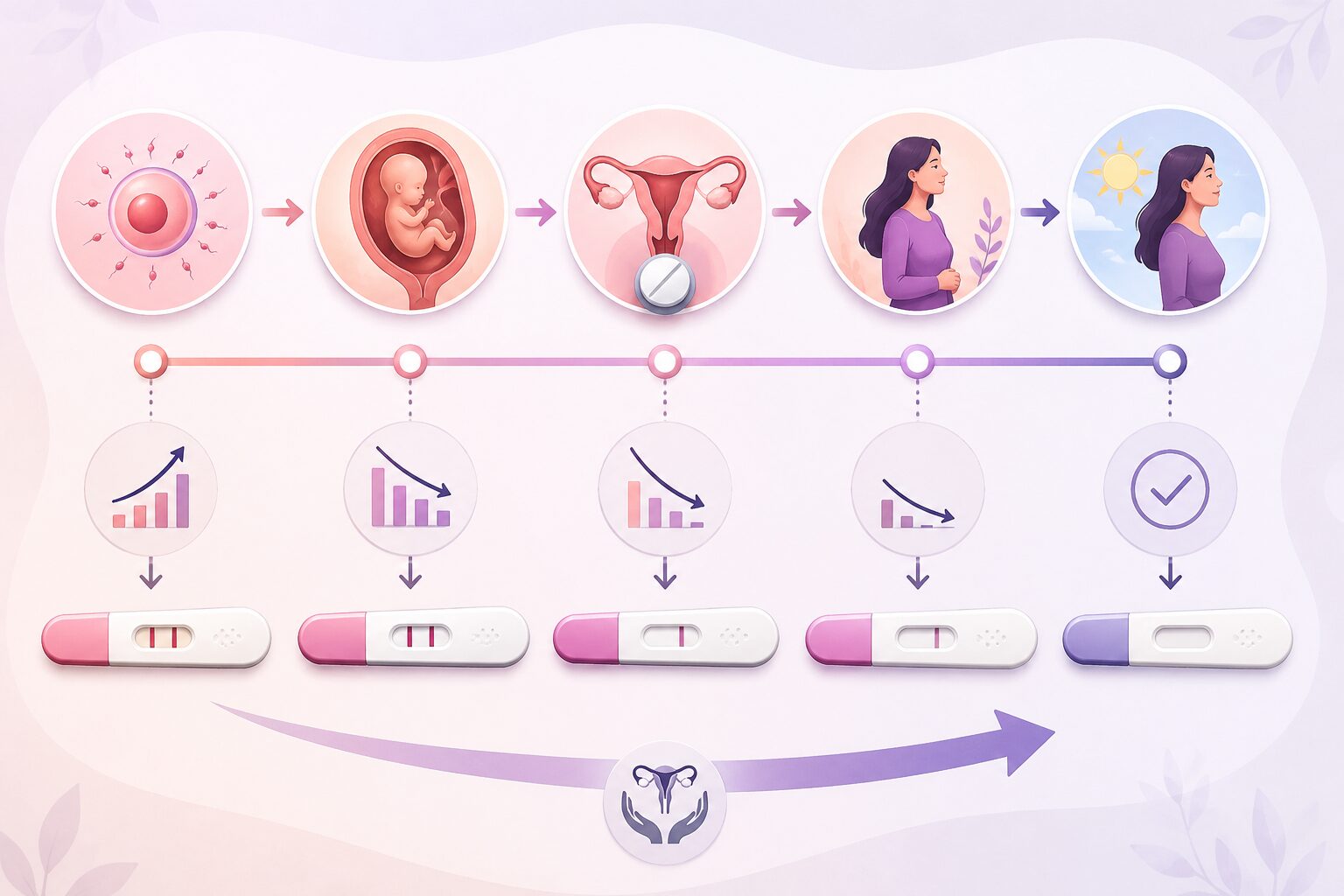
The most common explanation is simple: your body has not yet finished clearing pregnancy hormones.
After an abortion:
- hCG begins to fall almost immediately
- Levels continue dropping every day
- Eventually they become too low for a home pregnancy test to detect
A faint line usually means there is only a small amount of hCG left rather than the high hormone levels seen during an ongoing pregnancy.
This is why healthcare providers often recommend waiting before taking another home pregnancy test. Testing too early may simply detect hormone levels from the previous pregnancy rather than indicate a new problem. Read our guide on how to know if the abortion pill worked for a clear breakdown of confirmation methods and when to test.
How Long Does hCG Stay in the Body?
This is one of the most common questions after an abortion. There is no exact number of days because hCG declines differently for each person.
After an Early Pregnancy
If the abortion occurred during the early weeks of pregnancy, hCG usually falls more quickly. Some people receive a negative pregnancy test within two to four weeks.
After a Later Pregnancy
If the pregnancy was further along, hormone levels started much higher. Because there is more hCG to eliminate, it may take several additional weeks before pregnancy tests become completely negative.
Individual Recovery Matters
Factors affecting recovery include your hormone levels before the abortion, your metabolism, overall health, and how your body responds after pregnancy. For this reason, comparing your recovery with someone else’s may only create unnecessary worry.
Is a Faint Positive Pregnancy Test Normal?
In many cases, yes.
A faint positive pregnancy test after abortion is often expected, particularly during the first few weeks.
A faint line usually indicates that:
- hCG is continuing to decrease
- Your body is healing
- Hormone levels are approaching zero
If the line becomes lighter over time, that is generally reassuring because it suggests the remaining pregnancy hormone is continuing to decline. Healthcare providers often expect this gradual change rather than an immediate negative result.
Medication Abortion vs. Surgical Abortion
Recovery after both procedures involves a gradual decline in pregnancy hormones. However, there can be slight differences.
Medication Abortion
Medication abortion causes the body to pass the pregnancy naturally over time. For a full overview of how the medication abortion process works, read our guides on medication abortion explained, what to expect from misoprostol, and the mifepristone guide. Our abortion pill page covers the complete process from start to finish.
Afterward:
- Bleeding may continue for several days or weeks
- hCG gradually decreases
- Pregnancy tests can remain positive for several weeks
Many healthcare providers recommend waiting until the scheduled follow-up timeframe before relying on another home pregnancy test.
Surgical Abortion
After a surgical abortion, pregnancy tissue is removed during the procedure. For a full explanation of what surgical procedures involve, read our surgical abortion procedures explained guide and our in-clinic abortion services page.
Although hCG still takes time to disappear, hormone levels may decline somewhat faster because the pregnancy tissue has already been removed. Even so, a positive pregnancy test shortly afterward is not necessarily unusual.
When Should You Be Concerned?
Although most faint positive tests are harmless, certain situations deserve prompt medical evaluation.
The Pregnancy Test Is Not Getting Lighter
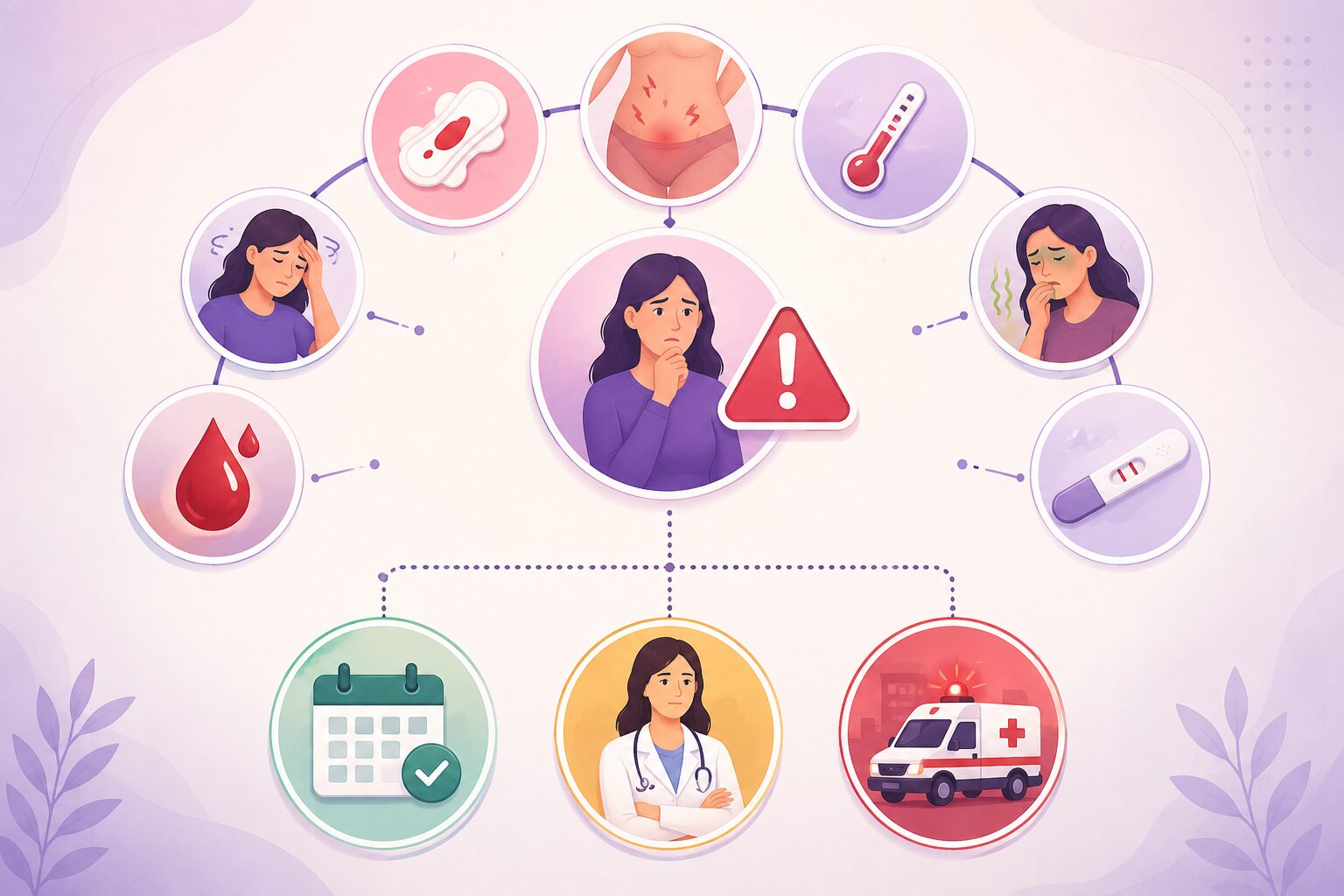
If repeated pregnancy tests remain equally dark or become darker instead of lighter it may indicate that hCG levels are no longer falling as expected.
Your healthcare provider may recommend blood hCG testing, ultrasound evaluation, or additional follow-up. Read our guide on whether ultrasounds and bloodwork are needed for more on what these evaluations involve.
You Continue Having Pregnancy Symptoms
If symptoms such as persistent nausea, breast tenderness that is not improving, or ongoing pregnancy symptoms continue alongside a positive pregnancy test, further evaluation may be appropriate. Read our guide on nausea after abortion to understand what is and isn’t normal during recovery.
Hormone levels alone do not tell the entire story, which is why symptoms are also important.
Heavy Bleeding or Severe Pain
Seek medical attention immediately if you experience heavy bleeding that soaks multiple pads in a short period, severe abdominal pain, fever, chills, foul-smelling vaginal discharge, or severe dizziness or fainting. Read our guide on bleeding after the abortion pill to understand what bleeding patterns are normal. For pain concerns, our abortion pain management guide covers what is expected and when to seek help.
These symptoms are not explained by a faint positive pregnancy test alone and should always be evaluated promptly.
Could It Be Retained Pregnancy Tissue?
One possible reason a positive pregnancy test after abortion continues beyond the expected recovery period is retained pregnancy tissue, sometimes called retained products of conception (RPOC).
This means that a small amount of pregnancy tissue remains in the uterus after the abortion. While this does not happen in most cases, it can cause hCG levels to decline more slowly, leading to a pregnancy test that stays positive longer than expected.
A healthcare provider may suspect retained tissue if you have:
- A pregnancy test that remains positive or becomes darker over time
- Heavy or prolonged vaginal bleeding
- Severe or worsening pelvic pain
- Fever or chills
- Foul-smelling vaginal discharge
It’s important to remember that a faint positive test alone does not confirm retained tissue. Many people with a normal recovery will continue to test positive for a short time because hCG naturally takes time to leave the body. Our guide on when abortion pills don’t work explains what an incomplete abortion involves and what your options are if additional treatment is needed.
If your provider is concerned, they may recommend a pelvic examination, blood tests to measure hCG levels over time, or an ultrasound to determine whether additional treatment is necessary.
Could the Pregnancy Still Be Ongoing?
Although uncommon, an abortion may not completely end the pregnancy. This is known as a continuing pregnancy.
A continuing pregnancy is more likely to be considered if:
- Pregnancy symptoms continue or become stronger
- Pregnancy test lines remain dark or become darker
- hCG levels do not decrease as expected
- An ultrasound confirms that the pregnancy is continuing
This is one reason why following your healthcare provider’s instructions for follow-up testing is so important. Home pregnancy tests cannot distinguish between leftover pregnancy hormones and an ongoing pregnancy.
If there is any uncertainty, your provider can perform additional testing to determine the cause of the positive result and discuss appropriate next steps.
Can You Become Pregnant Again Before Your Next Period?
Yes. One of the most common misconceptions is that pregnancy is not possible until after your first menstrual period.
In reality, ovulation can return before your first period arrives. This means you can become pregnant again within just a few weeks after an abortion if you have unprotected sex. Read our guides on how fertile you are after an abortion and whether you can get pregnant after an abortion for more detail on how quickly fertility returns.
If avoiding pregnancy is important to you, talk with your healthcare provider about contraception options that fit your health needs and future plans. Our birth control and contraceptive services cover the full range of options available.
Could It Be an Ectopic Pregnancy?
An ectopic pregnancy occurs when a fertilized egg implants outside the uterus, most commonly in a fallopian tube. While uncommon, it is a serious medical condition that requires prompt treatment.
A persistent positive pregnancy test accompanied by any of the following symptoms should never be ignored:
- Severe pain on one side of the abdomen
- Shoulder pain
- Heavy bleeding
- Dizziness or fainting
- Feeling weak or lightheaded
These symptoms require immediate medical evaluation, as an ectopic pregnancy can become life-threatening if left untreated.
A home pregnancy test cannot identify where a pregnancy is located, which is why emergency care is essential if these warning signs develop. Book a confidential appointment immediately or go to an emergency room if you experience these symptoms.
When Should You Take Another Pregnancy Test?
Testing too soon after an abortion often leads to unnecessary anxiety because hCG may still be present. The timing recommended by your healthcare provider should always take priority.
If You Test Too Early
You may still receive a positive result even though your abortion was successful.
If the Line Is Becoming Lighter
This usually indicates that hCG is continuing to decline, which is often a reassuring sign.
If the Test Stays Positive
If your pregnancy test remains positive longer than expected or the line becomes darker instead of lighter, contact your healthcare provider. They may recommend blood tests or an ultrasound to better understand what is happening. Our telehealth abortion care includes follow-up consultations so you can reach a provider quickly from home.
Following the recommended testing timeline helps reduce confusion and provides more accurate information about your recovery.
What Happens During a Follow-Up Appointment?
If you have concerns about a faint positive pregnancy test after abortion, your provider may recommend a follow-up visit.
Depending on your symptoms, this may include:
Reviewing Your Recovery
Your provider will ask about bleeding, cramping, pregnancy symptoms, fever or signs of infection, and overall recovery.
Measuring hCG Levels
Blood tests can measure the exact amount of pregnancy hormone in your body. Rather than looking at a single number, providers often compare results over time to see whether hCG is decreasing as expected.
Ultrasound Examination
If there is concern about retained tissue or an ongoing pregnancy, an ultrasound may be recommended. This imaging test helps determine whether the uterus has emptied appropriately and whether additional treatment is needed.
Practical Steps If You See a Faint Positive Pregnancy Test
Step 1: Consider When You Tested
Testing only a few days after an abortion is very different from testing several weeks later. The closer you are to the procedure, the more likely a positive result reflects lingering hCG.
Step 2: Monitor Your Symptoms
Pay attention to how you feel. A normal recovery may include mild to moderate bleeding, gradually improving cramping, and pregnancy symptoms fading over time. Seek medical advice if symptoms worsen instead of improving.
Step 3: Follow Your Provider’s Instructions
Every person’s recovery is different. If your provider recommended testing on a certain date or returning for follow-up care, following those instructions provides the most reliable assessment of your recovery.
Step 4: Don’t Rely on One Test Alone
A single home pregnancy test tells only part of the story. If there are concerns, healthcare providers often use repeat pregnancy tests, blood hCG measurements, and ultrasound examinations together to get a much clearer picture than one home test alone.
Emotional Reassurance During Recovery
Seeing a faint positive pregnancy test after an abortion can bring up many emotions, including fear, confusion, disappointment, or uncertainty.
It’s important to remember that a faint positive result is often a normal part of the healing process. In many cases, it simply reflects that your body is gradually clearing pregnancy hormones.
If you have questions or concerns, reaching out to a trusted healthcare provider can provide reassurance and help determine whether any additional evaluation is needed. Our guide on how to recover emotionally after an abortion offers practical support for the weeks following your procedure. You do not have to navigate recovery alone. Our women’s primary care services provide ongoing post-abortion follow-up and support as part of comprehensive reproductive healthcare.
Conclusion
A faint positive pregnancy test after abortion does not automatically mean something is wrong. For many people, it simply reflects the presence of remaining hCG, which naturally decreases over time as the body recovers.
However, persistent positive tests, worsening symptoms, heavy bleeding, severe pain, fever, or pregnancy symptoms that continue without improvement should never be ignored. These situations may require additional evaluation to rule out retained pregnancy tissue, an ongoing pregnancy, or other medical concerns.
The best approach is to follow your healthcare provider’s recommendations for repeat testing and follow-up care. Understanding what is normal — and recognizing when to seek medical advice — can help reduce anxiety and support a safe recovery.
If you have questions about your recovery or are unsure whether your pregnancy test result is expected, Serenity Choice Health provides compassionate, confidential reproductive healthcare and follow-up guidance. Our experienced team is here to answer your questions, evaluate your symptoms when needed, and help you move forward with confidence.
Frequently Asked Questions
1. Is a faint positive pregnancy test normal after an abortion?
Yes. In many cases, a faint positive result is normal because hCG levels take time to return to zero. The hormone gradually decreases over several weeks, so a home pregnancy test may remain positive during this period.
2. How long will a pregnancy test stay positive after an abortion?
The timeline varies from person to person. It depends on factors such as how far along the pregnancy was, your starting hCG levels, and how quickly your body clears the hormone. Some people test negative within a few weeks, while others may take longer.
3. When should I contact a healthcare provider?
You should seek medical advice if your pregnancy test becomes darker instead of lighter, it remains positive longer than expected, or you have heavy bleeding, severe pain, fever, chills, or foul-smelling discharge, or if pregnancy symptoms continue without improvement.
4. Can I get pregnant again before my next period?
Yes. Ovulation can return before your first menstrual period after an abortion, making pregnancy possible if you have unprotected sex.
5. Does a faint positive mean my abortion failed?
Not necessarily. In most cases, it simply means there is still a small amount of hCG in your body. Additional testing may be recommended if the result does not change over time or if you have concerning symptoms.
6. Should I keep taking home pregnancy tests?
Following your healthcare provider’s instructions is the best approach. Repeated testing too early can increase anxiety because hCG may still be detectable even during a normal recovery.

Dr. James Carter is a board-certified physician and lead clinician at Serenity Choice Health, specializing in reproductive health access and medication abortion protocols. With over 20+ years of experience, he combines clinical expertise with patient-centered care to ensure safe, compassionate, and confidential reproductive healthcare.