
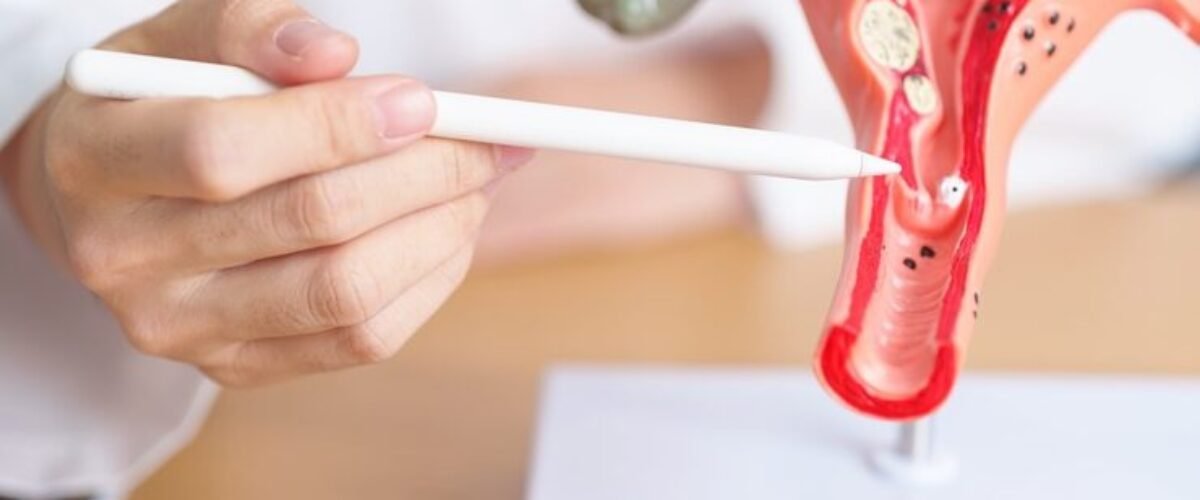
Yes, misoprostol can cause structural damage or uterine rupture, though this is rare and primarily occurs in individuals with a history of prior uterine surgery, cesarean sections, or multiple previous full-term pregnancies. Misoprostol is a potent prostaglandin analog designed to induce strong uterine contractions to empty the uterus during a medication abortion. When used according to prescribed clinical protocols, the risk of severe damage is low, but taking incorrect dosages or using it without medical supervision significantly increases the risk of dangerous complications.
Understanding how misoprostol affects uterine tissue is an important component of medical abortion safety. The primary clinical objective is utilizing controlled doses to stimulate safe, effective contractions while minimizing the risk of adverse structural complications. For virtual consultations or professional clinical guidance, visit our virtual abortion pill consultation page.
1. How Misoprostol Stimulates Uterine Contractions
-
Misoprostol acts as a prostaglandin E1 analog that binds to receptors on the myometrium, prompting the uterine muscle to contract rhythmically. To review how these mechanisms fit into your care, read our guide on how the abortion pill works.
-
These powerful contractions are necessary to dilate the cervix and expel the pregnancy tissue safely from the uterus.
-
While cramping and intense pressure are expected physiological responses to the medication, excessive or uncontrolled force can strain uterine tissue if risk factors are present.
2. Risk Factors for Uterine Rupture and Severe Injury
Being aware of personal medical history helps your healthcare provider minimize rare structural risks.
-
A previous classical cesarean section, major uterine surgery, or deep scarring from prior operations creates a vulnerable area in the uterine wall. You can explore additional clinical details on our abortion pill FAQ page.
-
Grand multiparity (having had many prior full-term pregnancies) or using unprescribed, excessively high doses of misoprostol also elevates the risk of uterine rupture.
3. Why Following Prescribed Protocols Matters
Adhering strictly to your clinician’s dosage and timing schedule protects your long-term reproductive health.
-
Clinical protocols are carefully calculated based on your gestational age and medical background to ensure safe efficacy.
-
Never alter your dosing schedule or take extra tablets without direct medical supervision. For supportive recovery resources, read our guide on post-abortion care and support.
4. Recognizing Abnormal Uterine Pain vs. Normal Cramping
Distinguishing between typical abortion cramping and dangerous pain is critical for timely intervention.
-
Normal cramping is similar to strong menstrual pain and can be managed with heating pads and approved pain relievers.
-
Abnormal, sharp, stabbing, or one-sided abdominal pain that does not subside with medication can indicate a severe complication, such as ectopic pregnancy rupture or uterine strain.
5. What to Do If You Experience Severe Complications
If you experience debilitating abdominal pain accompanied by heavy bleeding, dizziness, or fainting:
-
Seek emergency medical care immediately at the nearest hospital or emergency department.
-
Inform the medical staff that you are undergoing a medication abortion so they can provide appropriate, prompt evaluation and treatment.
6. Critical Warning Signs Requiring Medical Care
Reach out to your healthcare provider or seek immediate medical evaluation if you encounter any of these urgent post-administration symptoms:
| Urgent Health Indicator | Clinical Description & Action Threshold |
| Absence of Bleeding | Complete lack of vaginal bleeding within 24 hours following misoprostol placement, which can signal absorption failure or an ectopic pregnancy. |
| Hemorrhage-Level Bleeding | Heavy bleeding requiring you to soak through two or more large maxi-pads every hour for two hours in a row. |
| Escalating Gastrointestinal Distress | Severe diarrhea lasting longer than 24 hours when paired with a fever and intensifying abdominal discomfort. |
| Signs of Intrauterine Infection | Unusual, foul-smelling vaginal discharge or a confirmed fever of 100.4°F (38°C) or higher persisting past 24 hours. |
| Stagnant Pregnancy Indicators | Persistent pregnancy symptoms—such as heavy nausea or breast tenderness—continuing strongly past the two-week mark. |
If you have questions about misoprostol administration or want clinical guidance throughout your medication abortion, book a confidential consultation at Serenity Choice Health today.

Dr. James Carter is a board-certified physician and lead clinician at Serenity Choice Health, specializing in reproductive health access and medication abortion protocols. With over 20+ years of experience, he combines clinical expertise with patient-centered care to ensure safe, compassionate, and confidential reproductive healthcare.


