
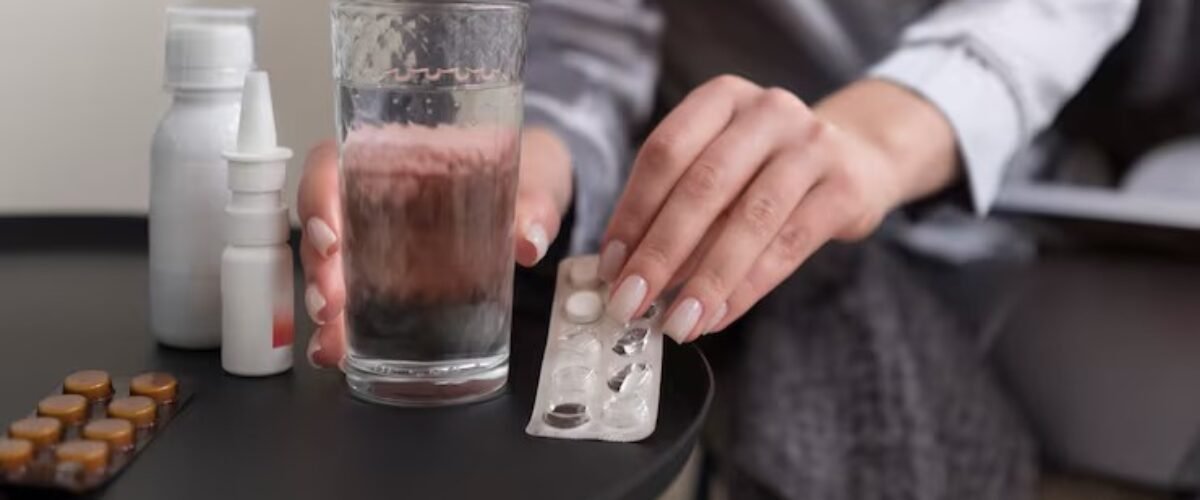
No, standard abortion pills (mifepristone and misoprostol) do not need to be refrigerated under normal conditions. They are designed to be stored at controlled room temperature, typically between 68°F and 77°F (20°C to 25°C), away from direct light, heat, and excess moisture. Storing them in a standard refrigerator is generally unnecessary unless recommended by special packaging or extreme ambient climate conditions.
Understanding proper temperature storage requirements for mifepristone and misoprostol is essential for preserving their chemical stability and effectiveness. The primary clinical objective is ensuring that the medications do not degrade due to improper environmental exposure before use. For virtual consultations or secure medication handling guidance, visit our virtual abortion pill consultation page.
1. Standard Temperature Requirements for Abortion Pills
-
Both mifepristone and misoprostol are stable pharmaceutical products that remain potent when kept within designated climate parameters. To review how these medications function in the body, read our guide on how the abortion pill works.
-
Pharmaceutical labeling typically specifies storing these tablets at controlled room temperature, which ranges from 68°F to 77°F (20°C to 25°C).
-
Temporary excursions are permitted between 59°F and 86°F (15°C to 30°C) during normal handling, but chronic exposure outside these limits can compromise potency.
2. Why Room Temperature Storage Is Preferred
Being aware of how environmental factors affect medication structure helps protect your treatment outcomes.
-
Keeping pills in a dry, room-temperature environment prevents moisture condensation, which can occur if cold medications are repeatedly exposed to warmer ambient air. You can explore additional medication safety details on our abortion pill FAQ page.
-
Refrigeration is generally unnecessary and can sometimes introduce humidity risks if the medication packaging is not completely moisture-sealed.
3. When Refrigeration Might Be Considered
Evaluating specialized environmental conditions ensures your supply remains secure in non-standard climates.
-
In exceptionally hot or humid climates where indoor climate control is unavailable, healthcare providers may occasionally advise specialized cool storage containers, provided moisture is strictly avoided. For supportive recovery resources, read our guide on post-abortion care and support.
-
Always check the specific manufacturer insert or consult your clinical care team before placing abortion pills inside a refrigerator.
4. Proper Storage Guidelines for Home and Travel
Maintaining correct storage practices at home keeps your medications reliable and safe to use.
-
Store your pill packs in a cool, dark, and dry location, such as a bedroom drawer or a hallway closet shelf.
-
Avoid high-moisture areas like bathrooms or kitchens where steam and temperature fluctuations occur frequently.
-
Keep medications out of reach of children and pets while ensuring they remain in their original blister packaging until you are ready to take them.
5. What to Do If Storage Conditions Were Compromised
If your abortion pills were subjected to freezing temperatures, excessive humidity, or prolonged high heat, do not guess about their integrity. Contact your prescribing provider or clinical care team immediately to report the situation. They will assess whether the medication remains safe and effective or provide a replacement supply.
6. Critical Warning Signs Requiring Medical Care
Reach out to your healthcare provider or seek immediate medical evaluation if you encounter any of these urgent post-administration symptoms:
| Urgent Health Indicator | Clinical Description & Action Threshold |
| Absence of Bleeding | Complete lack of vaginal bleeding within 24 hours following misoprostol placement, which can signal absorption failure or an ectopic pregnancy. |
| Hemorrhage-Level Bleeding | Heavy bleeding requiring you to soak through two or more large maxi-pads every hour for two hours in a row. |
| Escalating Gastrointestinal Distress | Severe diarrhea lasting longer than 24 hours when paired with a fever and intensifying abdominal discomfort. |
| Signs of Intrauterine Infection | Unusual, foul-smelling vaginal discharge or a confirmed fever of 100.4°F (38°C) or higher persisting past 24 hours. |
| Stagnant Pregnancy Indicators | Persistent pregnancy symptoms—such as heavy nausea or breast tenderness—continuing strongly past the two-week mark. |
If you have questions about misoprostol administration or want clinical guidance throughout your medication abortion, book a confidential consultation at Serenity Choice Health today.

Dr. James Carter is a board-certified physician and lead clinician at Serenity Choice Health, specializing in reproductive health access and medication abortion protocols. With over 20+ years of experience, he combines clinical expertise with patient-centered care to ensure safe, compassionate, and confidential reproductive healthcare.


