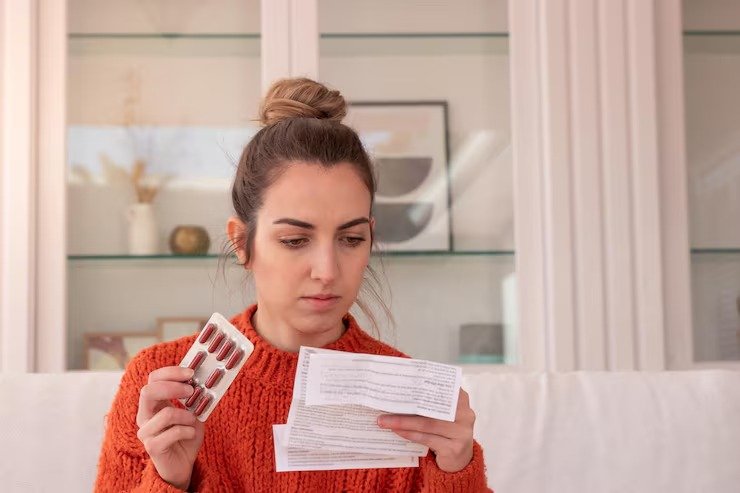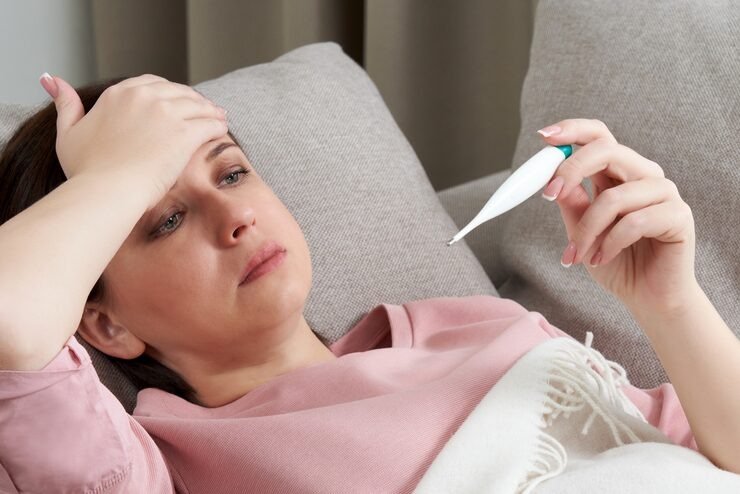

Yes, misoprostol can cause a temporary fever without any infection. A mild, transient elevation in body temperature is a well-documented and recognized side effect of the medication. When used during a medical abortion, misoprostol acts on the body’s thermoregulatory pathways, often triggering short-term shivering, chills, or a low-grade fever within the first few hours of administration.
Understanding the difference between a medication-induced temperature spike and a fever signaling an actual infection helps you navigate your recovery safely and distinguish normal side effects from red-flag symptoms.
Why Misoprostol Triggers Temporary Temperature Changes
Misoprostol is a synthetic prostaglandin analogue. Prostaglandins are hormone-like substances that play a central role in managing inflammation, inducing uterine contractions, and regulating body temperature in the brain’s hypothalamus.
-
Direct Action on the Hypothalamus: When you take misoprostol, the sudden surge of prostaglandins can temporarily reset the body’s internal thermostat, mimicking the body’s natural pyrogenic (fever-producing) response. To review general safety standards, read our guide on are telehealth abortions safe.
-
Accompanied by Chills and Shivering: A misoprostol-induced temperature spike is frequently accompanied by sudden chills, shivering, or feeling flushed. These sensations typically peak within 2 to 4 hours after taking the medication and resolve entirely on their own. To understand how virtual consultations and care workflows operate, check out how does a virtual abortion work.
Distinguishing Medication Side Effects From Infection
While a temporary temperature increase can be a normal drug side effect, clinical protocols draw a firm line based on timing and duration to ensure patient safety.
-
Misoprostol-Induced Fever (Short-Term): A temperature spike caused directly by misoprostol occurs immediately after taking the pill (usually within the first few hours) and resolves quickly—typically within 24 hours—especially with the help of over-the-counter anti-inflammatory medications like ibuprofen.
-
Infection-Related Fever (Persistent): Clinical guidelines define a potential warning sign of infection as a persistent fever of 100.4°F (38°C) or higher that lasts for more than 24 hours after taking misoprostol, or one that appears several days later accompanied by other symptoms. To review expected recovery milestones, check out when does the main abortion bleeding start.
Recognizing Warning Signs and When to Seek Help
Because monitoring your body temperature is a critical way to screen for post-abortion infections, knowing when a fever crosses the threshold from a normal side effect to a medical concern is essential. Reach out for urgent medical attention immediately if you experience:
-
A persistent fever of 100.4°F (38°C) or higher that lasts for more than 24 hours after taking misoprostol.
-
A fever that develops several days after treatment, accompanied by severe or worsening lower abdominal pain.
-
Unusual, foul-smelling vaginal discharge or severe pelvic tenderness.
-
Soaking through two or more large maxi pads per hour for two consecutive hours or longer.
-
Uncontrollable dizziness, fainting, or sudden confusion.
If you have questions about your symptoms, want to review detailed red-flag indicators in our guide on what are the warning signs after an abortion, or need to confirm if can a telehealth doctor prescribe an abortion pill for your situation, please book an appointment with Serenity Choice Health today to speak directly with a licensed professional.

Dr. James Carter is a board-certified physician and lead clinician at Serenity Choice Health, specializing in reproductive health access and medication abortion protocols. With over 20+ years of experience, he combines clinical expertise with patient-centered care to ensure safe, compassionate, and confidential reproductive healthcare.