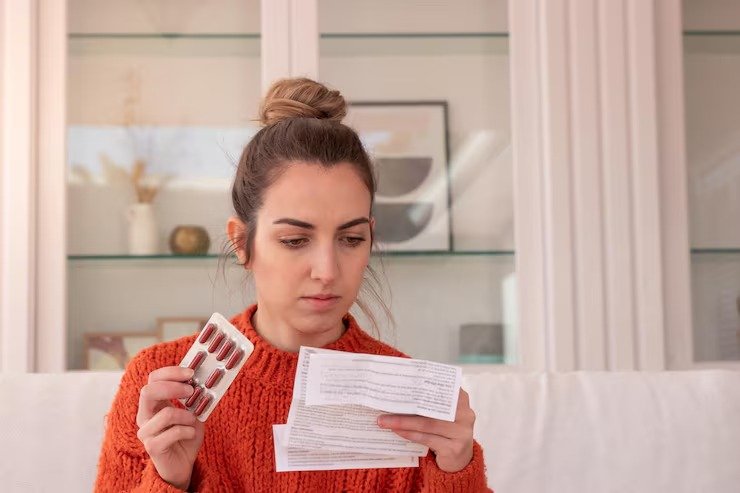
Experiencing light spotting or bleeding after taking mifepristone (the first pill) but before you take misoprostol (the second medication) is actually quite common and usually nothing to worry about. Mifepristone blocks progesterone—the hormone necessary to maintain a pregnancy—which can occasionally prompt early cramping or light bleeding on its own as the uterine lining begins to destabilize.
Knowing how to handle unexpected bleeding during this window ensures you follow your clinical instructions safely and keep your treatment on track.
Why Spotting Can Occur After Mifepristone
Mifepristone starts the process of stopping the pregnancy, but it is not designed to empty the uterus entirely on its own.
-
Initiating Uterine Changes: By blocking progesterone, mifepristone softens the cervix and weakens the attachment of the gestational sac, which can result in light bleeding or spotting for some patients. To review general safety standards, read our guide on are telehealth abortions safe.
-
Not the Full Abortion Process: Even if you notice bleeding or pass minor clots after taking mifepristone, you must still take misoprostol at the scheduled time prescribed by your clinician. Misoprostol is the medication that triggers strong uterine contractions to fully empty the uterus and complete the procedure. To understand how virtual care workflows operate, check out how does a virtual abortion work.
When Bleeding Requires Clinical Contact
While light spotting after mifepristone is generally normal, heavy or continuous bleeding before taking the second step requires medical guidance.
-
Heavy Flow Before Misoprostol: If you soak through two or more large maxi pads per hour for two consecutive hours before you have even taken your misoprostol, contact your telehealth provider immediately for instructions. To review expected milestones, check out when does the main abortion bleeding start.
-
Accidental Vomiting of Mifepristone: If you vomit within 30 to 60 minutes of swallowing mifepristone, the pill may not have fully absorbed into your system, and you should contact your care team right away to verify whether you need a repeat dose.
Recognizing Warning Signs and When to Seek Help
Whether bleeding starts early or right on schedule with misoprostol, monitoring your physical recovery is essential. Reach out for urgent medical attention immediately if you experience:
-
Soaking through two or more large maxi pads per hour for two consecutive hours or longer, which indicates a dangerous hemorrhage requiring urgent medical intervention.
-
Severe, unrelenting abdominal pain that fails to improve with pain medication, rest, or a heating pad.
-
A persistent fever of 100.4°F (38°C) or higher lasting more than 24 hours after taking misoprostol, signaling a potential infection.
-
Uncontrollable dizziness, fainting, or sudden confusion.
-
Pregnancy symptoms lasting robustly beyond two weeks post-treatment without any reduction in intensity.
If you have questions about your dosing schedule, want to review detailed red-flag indicators in our guide on what are the warning signs after an abortion, or need to confirm if can a telehealth doctor prescribe an abortion pill for your situation, please book an appointment with Sexerity Choice Health today to speak directly with a licensed professional.

Dr. James Carter is a board-certified physician and lead clinician at Serenity Choice Health, specializing in reproductive health access and medication abortion protocols. With over 20+ years of experience, he combines clinical expertise with patient-centered care to ensure safe, compassionate, and confidential reproductive healthcare.