
If you smoke cigarettes or vape nicotine and are preparing for a medication abortion, you may wonder whether you need to stop completely before taking abortion pills.
The short answer is that smoking and vaping are not listed by the FDA as contraindications to medication abortion with mifepristone and misoprostol, and there is no established evidence that nicotine directly makes these medications stop working. The FDA’s listed contraindications focus on conditions and medications such as ectopic pregnancy, certain adrenal problems, long-term corticosteroid therapy, bleeding disorders, and some other specific circumstances.
That does not mean smoking or vaping is harmless. Cigarette smoke and many vaping products expose your body to nicotine and other substances. Nicotine can also cause symptoms such as nausea, dizziness, and headache, which may overlap with symptoms that can occur during medication abortion.
If you already smoked or vaped, there is generally no reason to assume that the abortion pills have failed simply because you used nicotine. Instead, follow your prescribed medication instructions and contact your abortion provider if you have questions about your specific situation.
If you are still learning how medication abortion works, you can review this medication abortion explanation and process guide for additional background.
Does Smoking or Vaping Affect How Abortion Pills Work?
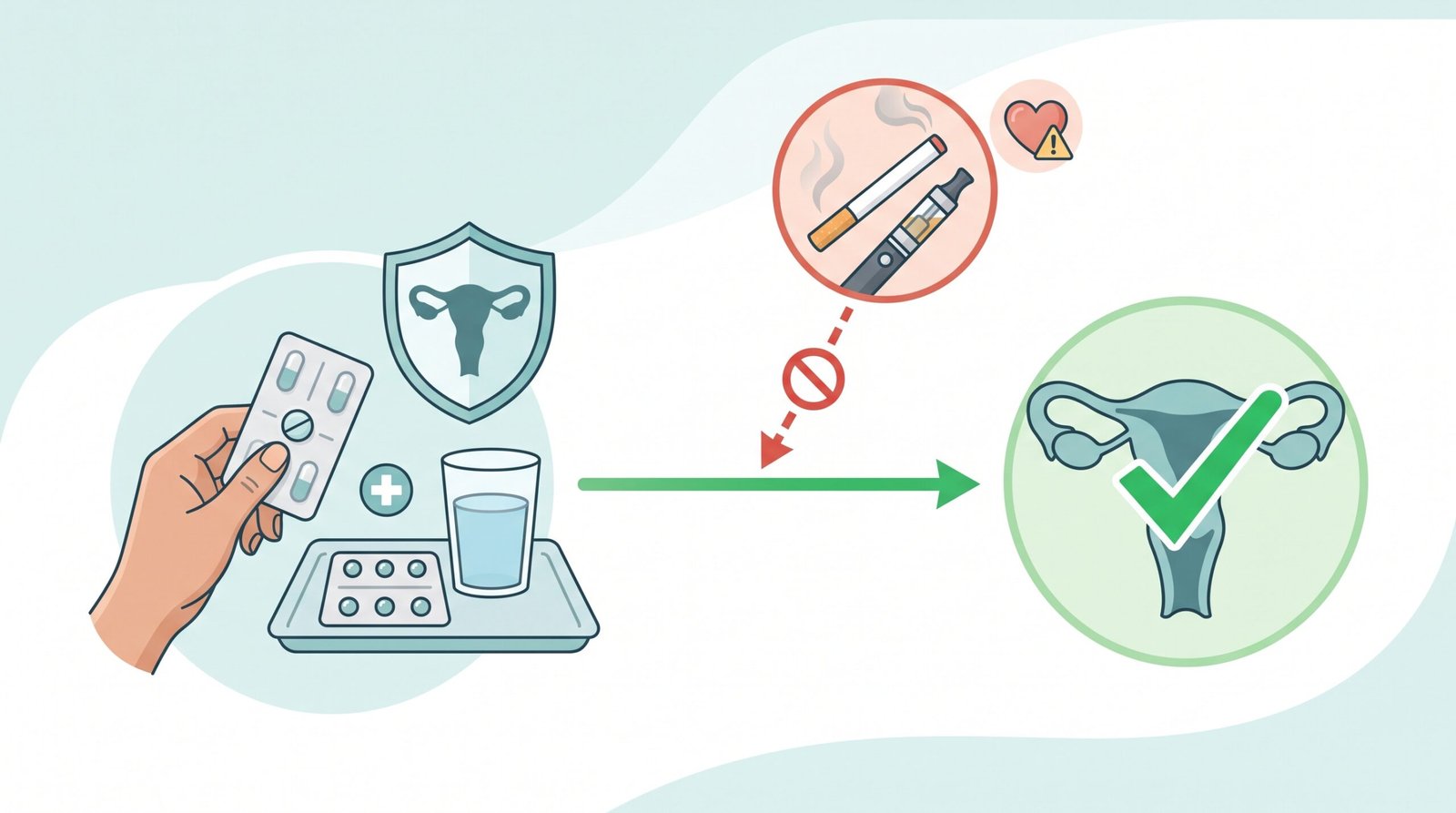
Medication abortion commonly uses two medicines: mifepristone and misoprostol.
Mifepristone blocks progesterone, a hormone needed to maintain the pregnancy. Misoprostol causes the uterus to contract and helps the pregnancy tissue pass. The FDA-approved regimen is used to end an intrauterine pregnancy through 70 days of gestation.
Smoking cigarettes or vaping nicotine is not identified by the FDA as a contraindication to this medication-abortion regimen. There is also no established evidence that nicotine directly neutralizes mifepristone or misoprostol.
However, researchers do not have the same level of evidence for every combination of nicotine product, dose, timing, and individual health condition. That is why it is still important to tell your healthcare provider about your tobacco or nicotine use.
The bigger concern is often how smoking or vaping may affect how you feel, rather than whether nicotine directly switches off the abortion medications.
Can Smoking Make Abortion Pills Less Effective?
There is no established evidence that cigarette smoking makes mifepristone or misoprostol ineffective.
If you smoked before taking the medication, you should not assume that the pills will fail because of that alone.
Medication abortion effectiveness depends on factors such as using the appropriate medications and regimen, pregnancy duration, whether the pregnancy is located inside the uterus, and following the instructions provided by the healthcare professional.
If you are concerned that your abortion may not have worked, do not take additional abortion medication on your own simply because you smoked. Instead, follow your provider’s instructions for follow-up and confirmation.
You can also learn about situations in which medication abortion may not completely end a pregnancy in this guide to when abortion pills don’t work.
Can Vaping Make Abortion Pills Less Effective?
Vaping is not known to directly prevent mifepristone or misoprostol from working.
However, vaping is not simply “water vapor.” E-cigarette aerosol can contain nicotine and other potentially harmful substances. The CDC states that e-cigarettes are not safe during pregnancy and that more research is still needed to understand their short- and long-term health effects.
For someone undergoing a medication abortion, the practical issue is that the pregnancy may not end immediately after the first medication. Until the abortion is complete, the pregnancy is still present.
Therefore, avoiding smoking and vaping during this period is the healthier choice when possible.
What About Smoking Before Taking Mifepristone?
If you smoked before taking mifepristone, you usually do not need to assume that you have ruined the medication abortion.
Smoking is not listed among the FDA’s contraindications to mifepristone used with misoprostol.
Continue to follow your provider’s instructions unless they tell you otherwise.
It is especially important not to change the medication schedule, repeat a dose, or add another medication simply because you smoked.
If you have questions about whether you are medically eligible for medication abortion, discuss your smoking history and other medications or health conditions with your provider before taking the pills.
What If You Smoke Between Mifepristone and Misoprostol?
Some people take mifepristone first and misoprostol later according to their prescribed instructions.
If you smoke during this interval, there is no established evidence that one cigarette or another episode of smoking automatically prevents misoprostol from working.
Still, avoiding cigarettes during this period may make the experience more comfortable and reduces exposure to tobacco smoke.
Misoprostol can cause cramping, bleeding, nausea, vomiting, diarrhea, chills, dizziness, and other temporary effects.
Nicotine can also cause symptoms such as nausea, vomiting, headache, dizziness, and other physical effects, particularly with higher exposure.
Because some symptoms can overlap, avoiding nicotine while you are experiencing the strongest medication effects may make it easier to understand how your body is responding.
What If You Smoke After Taking Misoprostol?
Smoking after taking misoprostol is not known to make the medication suddenly stop working.
The main reason to avoid smoking is not because one cigarette is expected to cancel the medication. It is because smoking exposes you to substances that can affect your overall health and may make it harder to distinguish nicotine-related symptoms from medication side effects.
After misoprostol, focus on monitoring your bleeding, pain, temperature, and overall condition.
If something feels significantly different from what your provider explained, contact the healthcare professional managing your abortion.
For additional information about expected symptoms, see this guide to what to expect with misoprostol.
Can Vaping Make Medication-Abortion Side Effects Feel Worse?
Vaping may make the experience feel different for some people, particularly when nicotine causes symptoms that overlap with medication-abortion side effects.
Medication abortion can normally involve:
- Cramping
- Bleeding
- Nausea
- Vomiting
- Diarrhea
- Headache
- Dizziness
- Chills
- Temporary fever or feeling feverish
- Tiredness
These effects are especially associated with misoprostol.
Nicotine exposure can also cause nausea, vomiting, headache, dizziness, weakness, and other symptoms.
That does not mean vaping necessarily causes an abortion complication. It means that using nicotine at the same time can make it harder to identify what is causing a particular symptom.
Does Nicotine Affect Abortion-Related Bleeding?
Smoking or vaping should not be assumed to be the cause of normal medication-abortion bleeding.
Bleeding is an expected part of medication abortion because misoprostol causes the uterus to contract and pass the pregnancy tissue.
However, very heavy bleeding is different from expected bleeding.
Planned Parenthood advises contacting a healthcare provider for bleeding that soaks through more than two maxi pads per hour for two consecutive hours.
If you experience unusually heavy bleeding, severe pain, fainting, or another concerning symptom, do not assume that smoking or vaping is the explanation. Seek medical care.
For more information, see bleeding after abortion pills and what is considered normal.
Should You Stop Smoking Before a Medication Abortion?
If you can avoid smoking before and during a medication abortion, that is a reasonable health choice.
But someone who smokes regularly should not panic if they have not been able to stop.
Smoking and nicotine dependence can make quitting difficult. If you want to stop or reduce nicotine use, talk with a healthcare professional about an approach that fits your situation.
The CDC recommends avoiding tobacco products during pregnancy because smoking can cause serious pregnancy-related health problems.
For someone seeking a medication abortion, the pregnancy may still be ongoing when mifepristone is taken and until the abortion is complete. Therefore, avoiding tobacco exposure during this period is preferable.
Should You Stop Vaping Before a Medication Abortion?
Avoiding vaping is also preferable when possible.
The CDC states that e-cigarettes and other nicotine-containing products are not safe during pregnancy, and e-cigarette aerosol can contain nicotine and other potentially harmful substances.
If you already vape and have an upcoming medication-abortion appointment, tell your provider.
You do not need to hide nicotine use out of embarrassment. Your provider’s goal is to understand your health history and give you appropriate instructions.
What If You Already Smoked or Vaped Before Taking Abortion Pills?
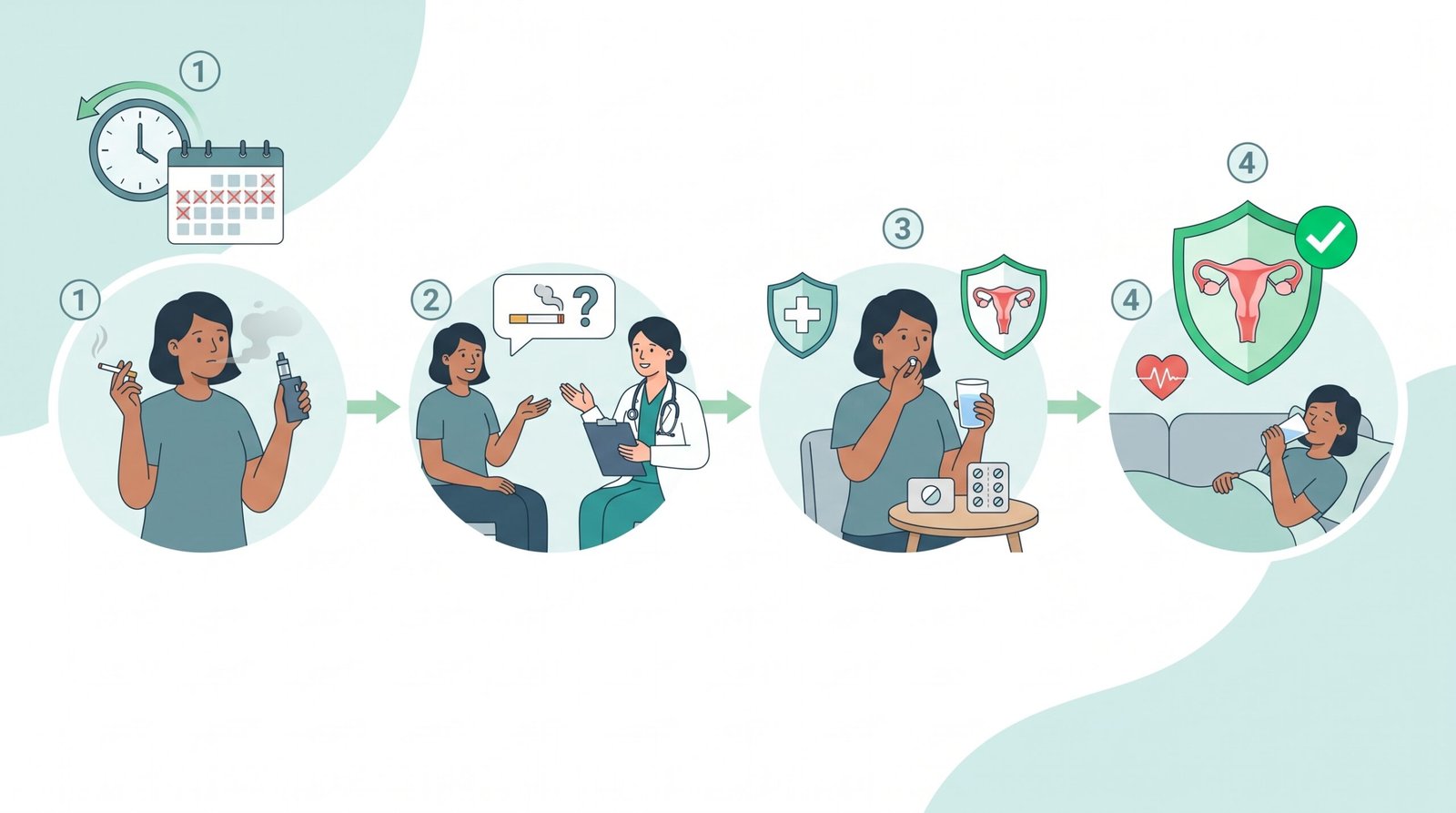
If you already smoked a cigarette or vaped before taking your abortion pills, do not automatically assume that the abortion will fail.
Smoking or vaping is not listed by the FDA as a contraindication to medication abortion.
Instead:
- Follow the medication instructions given by your healthcare provider.
- Do not take extra mifepristone or misoprostol because you smoked or vaped.
- Monitor your symptoms as instructed.
- Avoid additional smoking or vaping if possible.
- Contact your provider if you have concerns about your symptoms or medical history.
If you are unsure whether the medication worked, follow the recommended follow-up process rather than judging effectiveness based solely on whether you smoked.
This guide on how to know if the abortion pill worked can help explain what follow-up may involve.
Does It Matter What Is in the Vape?
Yes.
“Vaping” does not describe one identical product. Some devices contain nicotine, while others may contain different substances or mixtures.
The ingredients, nicotine concentration, frequency of use, and amount inhaled can vary considerably.
For that reason, tell your provider exactly what you use when possible. If you know the product name, nicotine strength, or approximate frequency, that information can be useful.
A provider may also need to consider other medications you take because mifepristone has clinically important medication interactions involving certain drugs. The FDA recommends reviewing the approved prescribing information when assessing medication safety.
Can Smoking or Vaping Affect How You Recognize Warning Signs?
This is one of the most practical concerns.
During a medication abortion, you should be able to pay attention to your symptoms and recognize when something may require medical attention.
Being very uncomfortable, dizzy, nauseated, or otherwise unwell can make it harder to assess what is happening.
This does not mean nicotine automatically causes a medical emergency. It means that avoiding unnecessary substances during the most active part of the abortion can make symptom monitoring easier.
Keep your phone nearby, have access to fluids and necessary supplies, and know how to contact your healthcare provider before taking the medication.
When Should You Seek Medical Help?
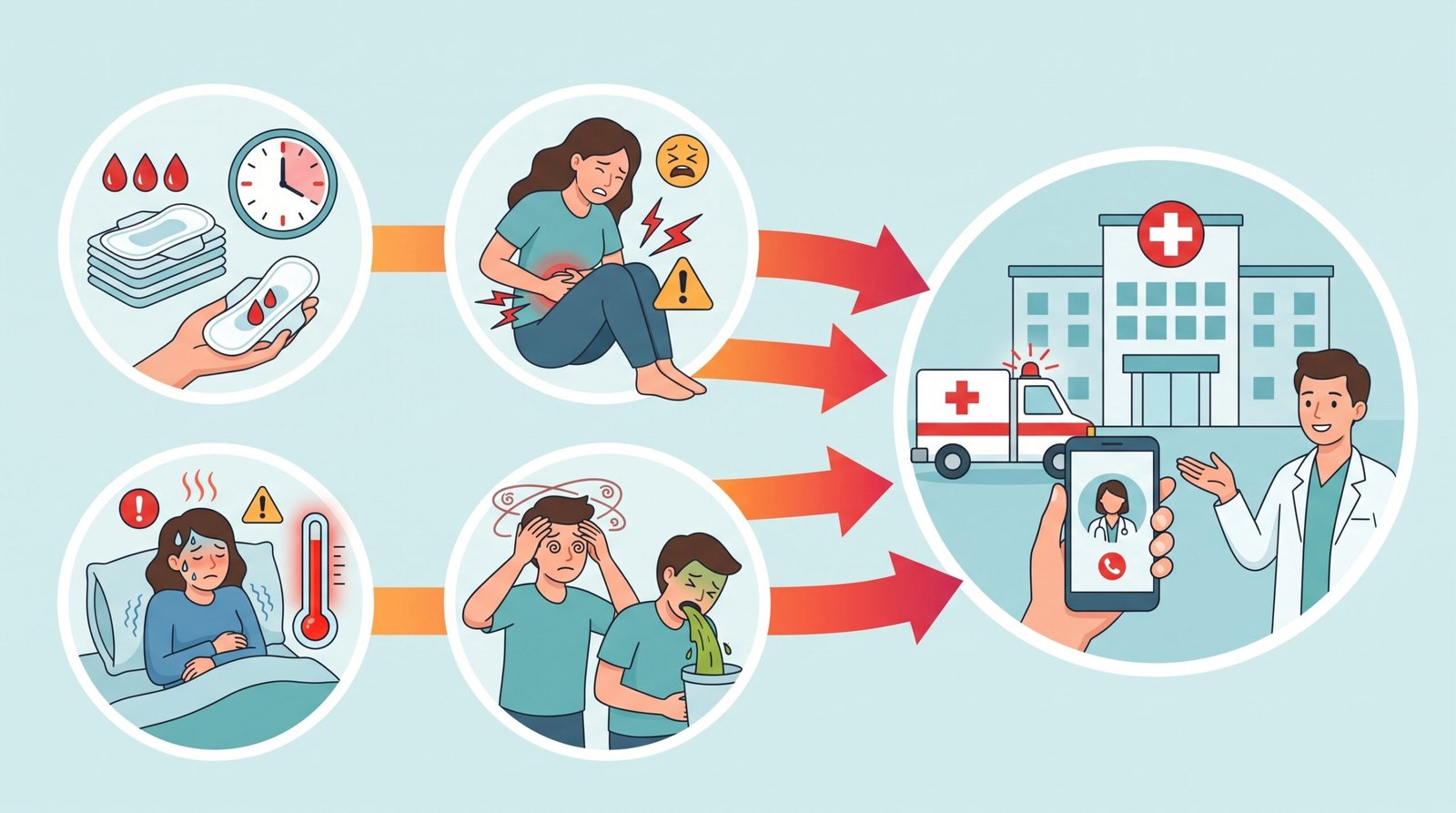
Do not attribute serious symptoms to smoking or vaping without getting appropriate medical advice.
Contact your healthcare provider promptly if you have concerning symptoms such as:
- Very heavy vaginal bleeding
- Severe abdominal or pelvic pain that does not improve with recommended medication
- Persistent fever after the expected medication-related period
- Fainting or significant weakness
- Severe or persistent vomiting or diarrhea
- Symptoms that are getting worse instead of improving
- Concerning or foul-smelling vaginal discharge
- No bleeding within the timeframe your provider instructed you to expect after misoprostol
Planned Parenthood advises urgent medical attention for very heavy bleeding, severe pain that does not improve with medication, persistent fever, or significant gastrointestinal symptoms lasting beyond the expected period.
If you have severe symptoms or believe you may have an emergency, seek emergency medical care rather than waiting for an online response.
You can also review when to go to the ER after abortion pills for additional information about urgent symptoms.
Is It Better to Avoid Smoking and Vaping During Medication Abortion?
Yes, avoiding smoking and vaping during the medication-abortion process is the healthier choice when you can do so.
But it is important to distinguish “better to avoid” from “will make the abortion fail.”
There is no established evidence that cigarette smoking or nicotine vaping directly prevents mifepristone and misoprostol from working. Smoking and vaping also are not listed among the FDA’s specific contraindications for the medication-abortion regimen.
The reasons to avoid them are primarily related to overall health, pregnancy exposure, nicotine effects, and making it easier to monitor your body’s response during the abortion.
What Should You Tell Your Abortion Provider?
Be honest about smoking and vaping.
Your provider may want to know:
- Whether you smoke cigarettes
- Whether you vape
- Whether the vape contains nicotine
- How frequently you use it
- Whether you use other substances
- What prescription or over-the-counter medications you take
- Any significant medical conditions
- Any previous problems with medications
Providing this information does not mean your abortion will automatically be delayed or denied. It helps your healthcare professional make a more complete assessment.
A complete medication and health history is particularly important because mifepristone has specific contraindications and medication interactions that are separate from smoking or vaping.
Can You Have a Telehealth Medication Abortion if You Smoke or Vape?
Smoking or vaping by itself does not appear in the FDA’s list of contraindications to medication abortion.
Whether telehealth medication abortion is appropriate depends on the full clinical picture, including pregnancy duration, medical history, possible contraindications, and the requirements that apply where you receive care.
If you are considering remote care, you can learn more about telehealth benefits for abortion care.
A qualified provider can review your health history, medications, nicotine use, and other relevant factors before determining whether medication abortion is appropriate for you.
The Bottom Line
Smoking or vaping during a medication abortion is not known to directly stop mifepristone or misoprostol from working, and smoking or vaping is not listed by the FDA as a specific contraindication to the medication-abortion regimen.
However, avoiding cigarettes and nicotine vaping during the process is preferable when possible. Nicotine and other inhaled substances can affect your health and may produce symptoms that overlap with medication-abortion side effects. The CDC also advises avoiding nicotine-containing products during pregnancy.
If you already smoked or vaped, do not assume that your abortion pills have failed. Continue following your provider’s instructions, monitor your symptoms, and contact your healthcare professional if you have concerns.
For personalized guidance, Serenity Choice Health can help you understand your medication-abortion options and discuss questions about your health history, medications, and care plan.
FAQ Section
Can I smoke while taking abortion pills?
Smoking is not listed by the FDA as a contraindication to medication abortion, and there is no established evidence that smoking directly makes mifepristone or misoprostol ineffective. However, avoiding smoking during the process is preferable for your overall health and may make it easier to monitor medication side effects.
Can I vape while taking mifepristone and misoprostol?
Vaping is not known to directly prevent mifepristone or misoprostol from working. However, many vaping products contain nicotine, and e-cigarette aerosol can contain other substances. Avoiding vaping during medication abortion is preferable when possible.
Does nicotine make abortion pills less effective?
There is no established evidence that nicotine directly makes mifepristone or misoprostol ineffective. If you smoked or vaped before taking your medication, do not take extra abortion pills solely because of nicotine use.
What if I smoked after taking misoprostol?
Smoking after misoprostol is not known to cancel the medication’s effect. Continue following your provider’s instructions and monitor your bleeding, pain, temperature, and overall condition. Contact your provider if you develop concerning symptoms.
Should I tell my abortion provider that I vape or smoke?
Yes. Tell your provider about smoking, vaping, nicotine use, other substances, and medications you take. This gives them a more complete picture of your health and helps them identify any factors that could affect your care.
When should I seek medical help during a medication abortion?
Seek medical advice for symptoms such as very heavy bleeding, severe pain that does not improve, persistent fever, fainting, or other significant or worsening symptoms. If you believe you have a medical emergency, seek emergency care immediately.

Dr. James Carter is a board-certified physician and lead clinician at Serenity Choice Health, specializing in reproductive health access and medication abortion protocols. With over 20+ years of experience, he combines clinical expertise with patient-centered care to ensure safe, compassionate, and confidential reproductive healthcare.