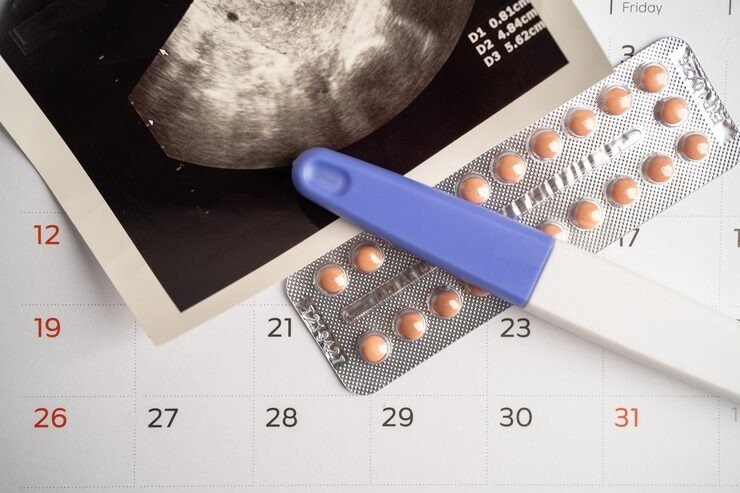
The womb cleans itself after an abortion through natural bleeding and uterine contractions. In most cases, no medical or internal cleaning is required. Proper post-abortion care involves rest, using sanitary pads, avoiding tampons or douching, and following medical guidance to prevent infection and support safe uterine healing.
Table of Contents
ToggleHow the Body Naturally Cleans the Uterus After Abortion?
The body naturally “cleans” the womb after an abortion by shedding the uterine lining through bleeding and cramping, which is a normal part of uterus recovery after abortion. In most cases, no medical intervention is required, as the uterus is a highly efficient, self-cleaning organ.
For a medication abortion, the second pill (misoprostol) triggers uterine contractions that help expel pregnancy tissue and blood. For in-clinic procedures, the healthcare provider ensures the uterus is empty before you leave, significantly reducing the risk of retained or leftover tissue.
It’s important to understand that cleaning the uterus does not mean washing or inserting anything internally. Instead, it refers to supporting the natural healing and recovery process while preventing infection.
At Serenity Choice Health, we emphasize that the most critical part of post-abortion uterine care is avoiding the introduction of bacteria into the reproductive system while the cervix remains slightly dilated.
Best Practices for Post-Abortion Recovery (Do’s and Don’ts)
To support the body’s natural uterine cleaning process and protect reproductive health after abortion, medical professionals recommend the following guidelines for 1–2 weeks:
Do’s After Abortion
- Use sanitary pads only to monitor bleeding and reduce infection risk
- Stay hydrated and rest to support hormonal balance and uterine healing
- Follow provider instructions and attend recommended follow-up care
- Monitor symptoms, including bleeding, cramping, and body temperature
Don’ts After Abortion
- Avoid tampons or menstrual cups, which can introduce bacteria into the healing uterus
- Do not douche, as the vagina and uterus are self-cleaning and douching disrupts natural pH balance
- Avoid baths, hot tubs, and swimming pools; choose showers instead
- Refrain from sexual intercourse or inserting anything into the vagina until cleared by a provider
These precautions significantly reduce the risk of infection and support gynecological health after abortion.
Leftover Tissue After Abortion: What to Know
In most cases, the uterus fully empties on its own. However, retained or leftover tissue after abortion may occasionally occur. Possible signs include:
- Heavy or prolonged bleeding
- Severe or worsening abdominal pain
- Fever or chills
- Foul-smelling vaginal discharge
Only a healthcare professional can diagnose and safely treat retained tissue. Attempting home methods or internal cleaning is unsafe and not recommended. If you are experiencing these symptoms, request an immediate appointment.
Antibiotics After Abortion: Are They Necessary?
There is no single “best antibiotic” routinely required after abortion. Antibiotics are prescribed only when there is a confirmed or suspected infection or in specific preventive situations determined by a provider.
Doxycycline After Abortion
Doxycycline is sometimes used in post-abortion care under medical supervision. It should:
- Only be taken if prescribed
- Never be self-started or shared
- Be taken exactly as directed
Possible Side Effects of Antibiotics
Some individuals may experience:
- Nausea or stomach discomfort
- Sun sensitivity
- Vaginal yeast infections
- Rare allergic reactions
If side effects occur, medical guidance should be sought promptly.
Home Remedies After Abortion: What’s Safe?
There are no proven home remedies that clean the uterus internally. However, certain lifestyle practices may support overall healing:
- Nutritious, iron-rich foods to replenish blood loss
- Adequate rest and hydration
- Gentle self-care and stress reduction
Home remedies should never replace medical evaluation, especially if symptoms of infection or complications arise.
The Follow-Up Process: Ensuring Complete Uterine Healing
While the body usually completes the process on its own, professional follow-up is the only way to confirm the uterus is fully healed and free of complications. At Serenity Choice Health, follow-up care may include:
- Symptom review, tracking bleeding, cramping, and recovery progress
- Follow-up testing, such as high-sensitivity pregnancy tests or ultrasounds when needed
- Telehealth support, especially for medication or telehealth abortions, allowing recovery monitoring from home
Why Choose Serenity Choice Health for Post-Abortion Care?
At Serenity Choice Health, care doesn’t end when the procedure is complete. We provide:
- Comprehensive post-abortion aftercare guidance
- Ongoing access to compassionate medical professionals
- In-person and telehealth follow-up options
- Support focused on long-term uterine and reproductive wellness
Have questions about your recovery, leftover tissue concerns, or symptoms after abortion? Schedule a follow-up appointment with our experienced providers to ensure your health is on the right track.

Dr. James Carter is a board-certified physician and lead clinician at Serenity Choice Health, specializing in reproductive health access and medication abortion protocols. With over 20+ years of experience, he combines clinical expertise with patient-centered care to ensure safe, compassionate, and confidential reproductive healthcare.