

Unexpected symptoms like pain, pressure, and cramping are often experienced in the anal area, the rectum, or lower back following a miscarriage. Because of this, many women silently ponder the following issues:
Experiencing pain during a bowel movement following a miscarriage Normal? Experiencing pressure within the rectum Why? Experiencing Anal or rectal pain after an abortion is normal and temporary but not spoken about very often Why Does this Occur?
Since your uterus, rectum, bladder and pelvic muscles all lie next to each other, discomfort in one will often radiate into another area. Let us take a more in depth examination of why anal/rectal pain occurs post abortion, how to relieve such discomfort as well as when to seek treatment for problems that could arise.
Why Does Rectal or Butt Pain Happen After an Abortion?
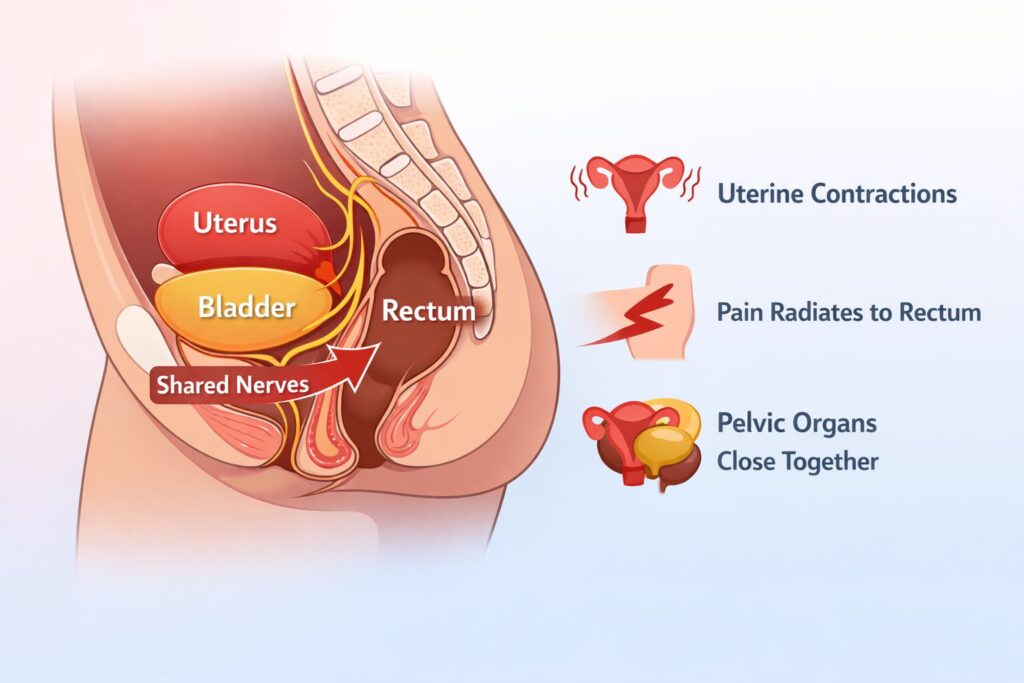
Your pelvic organs share a nerve and muscles. Therefore, when the uterus contracts during an abortion (either through medical or surgical), the contractions can radiate pain backwards to the rectum.
The term “referred pain”, refers to pain that is felt at a site which is not directly injured. Referred pain is one of the most common reasons that women experience:
- Deep rectal pain
- Rectal Pressure
- Cramps in your buttocks
- Shooting pain in your buttocks
- Pain trying to pass a bowel movement
This type of discomfort may feel similar to:
- Rectal pain during pregnancy
- Rectal pressure experienced when pregnant
- Sharp anal pains during pregnancy
- Cramps within the anal area during pregnancy
If you have experienced a previous pregnancy, you may recognize some of the sensations described earlier.
Common Causes of Rectal Pain After Abortion
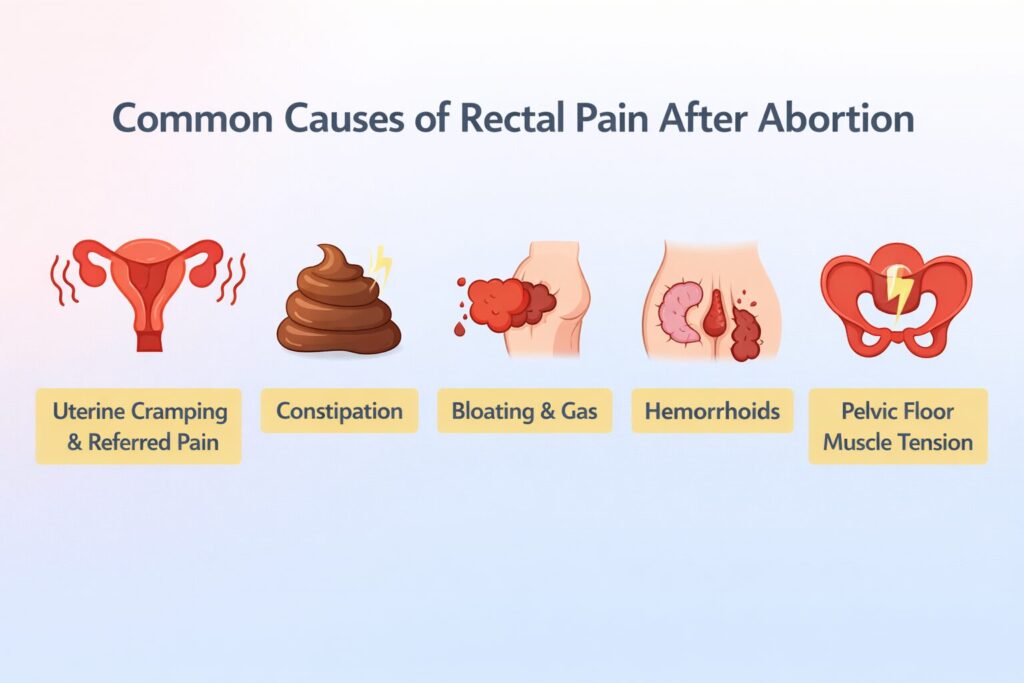
1. Uterine Cramping & Referred Pain
Medical Abortions with Misoprostol will create heavy contractions within your uterus to complete the abortion process over time. The contractions will be so strong, they will cause the following:
- Intense cramping in the pelvic region
- Pressure in the rectal area
- Sharp, shooting pains through the anus
- Pain that gets worse just before passing cloths through vaginal canal
Many women have reported that once they have passed cloths of tissue, the pain associated with the contractions will go away immediately. However, many women report still having mild contractions for several days after a surgical abortion while their uterus is returning back to its normal size.
2. Constipation After an Abortion
A large number of women experience rectum pain after an abortion due to being constipated. A woman can be:
- Constipated after an abortion
- Experience bloating
- Be forced to strain while passing stool
- Afraid to push while having a bowel movement due to pain
Many things may cause constipation after an abortion, including:
- Hormonal/chemical shift
- Iron supplementation
- Dehydration
- Stress
- Decreased activity level
- Pain medications
Many women wonder why they are hurting so much when passing a bowel movement after a miscarriage; a majority of the time, the answer to this question is constipation. Straining on a bowel movement causes pressure against the rectal cavity and can irritate the sensitive pelvic nerves.
3. Bloating and Gas
Bloating is often experienced by women who are having a medication abortion, primarily through the use of misoprostol. The building up of gas will create severe rectal cramps/sudden on-set of rectal pain/pressure in the lower abdomen similar to the feeling of having to pass stool and any type of movement, the gas pain can hinder your ability to relieve yourself.
4. Hemorrhoids
Hemorrhoids (swollen veins around the anus) can also occur during pregnancy due to hormonal changes; however, this will more likely happen for women after they give birth, but it can happen anytime (especially with constipation) or after other surgeries. Because sometimes people experience constipation or “straining” to have bowel movements after they get an abortion, that may make the hemorrhoids worse than before.
The common symptoms are:
- Itching
- Burning
- Pain when sitting
- Bright red blood in stool
- A lump on or around your anus
Other common areas that might cause hemorrhoids include:
- Shooting pains in the butt after having your baby
- Damage to anus after giving birth
- Rectal pressure while pregnant
5. Pelvic Floor Muscle Tension
Pelvic floor muscle tension can be caused by stress, cramping, or hormonal changes. When the pelvic floor muscles tighten up, it may result in:
- Rectal spasms
- Aching when sitting
- Sharp shooting type pains in the anus (as if something is inside)
- Discomfort trying to pass gas
Oftentimes pelvic floor tension feels like constant pressure deep inside of the pelvis.
Rectal Pain After Abortion Pills (Medication Abortion)

Misoprostol can create extreme & painful contractions of the blood vessels. This causes:
- Uterus to contract toward the rectal walls
- Creating extreme rectal pressure
- An intense feeling of deep aching in the anus
- Cause your back to feel as though something is inside it
- Create quick sharp kinds of cramps
The pain will typically be:
- Strongest between 4 to 12 hours after taking the misoprostol
- Just before creating large clots in your stool
- While passing the largest amount of blood
The good news is that this stage is temporary and usually only lasts no more than 24 hours. For a complete picture of what to expect physically during this process, read our guide on how the abortion pill works and heavy bleeding during medical abortion.
Rectal Pain After a Procedural Abortion
While rectal pain is infrequent following an abortion performed in an office, it may still occur because of the following reasons:
- Gas from the anaesthesia
- Pain in the pelvic muscles
- Constipation caused by certain medications
- Hemorrhoids developing prior to the abortion
- Cramping in the uterus while recovering from an abortion
If you experience discomfort for several days following confinement to bed it is normal.
Rectal Pain and Ectopic Pregnancy: When It’s an Emergency

The most common causes of anal or rectal pain after an abortion are uterine cramping, constipation, bloating and pelvic muscle tightness, however; a less frequent but very serious situation should be ruled out – an ectopic pregnancy.
An ectopic pregnancy is defined as a pregnancy that implant(s) at a site other than the uterus, with the most common site being the fallopian tube. Abortion pills are not for treating ectopic pregnancies because abortion pills only act within the uterine cavity.
An ectopic pregnancy continues to grow and will eventually rupture and cause internal bleeding. The blood will then collect in the lower abdomen and irritate the nerves located around the rectum. You may have the following symptoms:
- Extremely painful pressure in the rectum
- Sharp (deep) pain in the rectum area
- Excruciating one sided pain in the pelvic region
- Unusual pain from what you would consider to be normal cramping/constipation
- Increasing pain rapidly
The above symptoms of ectopic pregnancy will most likely feel significantly different than what is referred to as normal uterine cramping or constipation.
Go to the nearest emergency department immediately if you experience:
You should go immediately to your nearest emergency room if you are experiencing any of the following symptoms:
- Extreme pain in the pelvic, rectal area, especially on one side
- Pain in the shoulder (this is associated with an internal bleed irritating the diaphragm)
- Dizziness, feeling faint, or weakness
- Bleeding very lightly or not at all for 24 hours after taking the abortion pill
- Sudden intense pain that does not get better with pain relievers
You may be having a ruptured ectopic pregnancy. This is a medical emergency and needs immediate medical treatment.
If you are at all unsure about whether your symptoms are normal, it is always better to seek emergency treatment. Use your instincts. You can also review our complete guide on signs to go to the emergency room after taking the abortion pill and warning signs after an abortion when to call your doctor for a full breakdown of when to seek urgent care.
How to Relieve Rectal Pain Related to an Abortion?
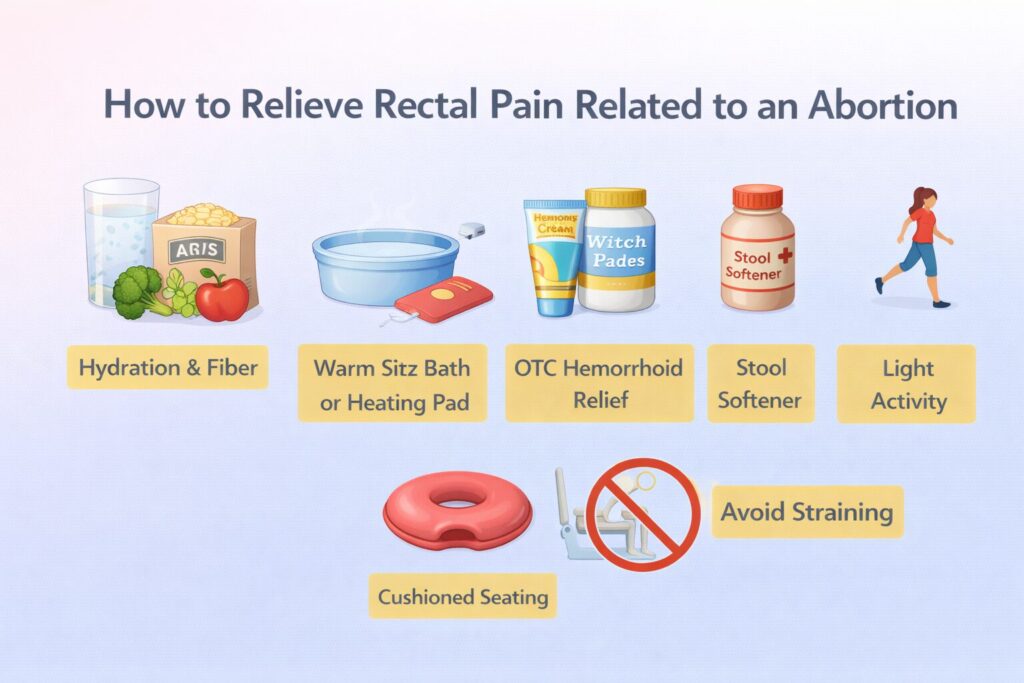
Practical Ways to Relieve Rectal or Butt Pain After an Abortion
| Relief Method | Description |
|---|---|
| Hydration & Fiber | Hydrate yourself by drinking plenty of water. For optimal hydration, aim to drink eight to 10 glasses of water daily and eat high-fiber foods (fruits, vegetables, oats, whole grains, etc.) to reduce the likelihood of constipation experienced following an abortion. Softer stool will lessen bowel strain and therefore the amount of pressure put on the rectum. |
| Warm Sitz Bath or Heating Pad | If you experience rectal discomfort, a warm sitz bath or heating pad can help. Sit in a warm (100°F) sitz bath for 10 – 15 minutes to help relax your pelvic muscles and alleviate any spasms you may be having in the rectum. Placing a warm pad on your lower abdomen or back will help alleviate those cramps that radiate to the rectum area. |
| OTC Hemorrhoid Relief | You may wish to purchase over-the-counter (OTC) hemorrhoid creams or witch hazel pads. These products can reduce the swelling, itching, and burning associated with hemorrhoids, if any are present during the recovery from your abortion. |
| Stool Softener Use | If you had a mild stool softener recommended to you, use it. Avoid using strong laxatives unless specifically directed to do so by your provider. |
| Light Activity | Engaging in light activity, such as short walks or gentle stretching will promote good digestion, help you to eliminate excess gassiness caused by the abortion, and help reduce any associated discomfort from the rectal area. |
| Cushioned Seating | Using a soft cover or donut pillow to sit on will help reduce pressure on the rectal area post-abortion. |
| Avoid Straining | To avoid exacerbating any irritation, do not push too hard when trying to have a bowel movement or sit for extended periods of time following your abortion. |
Using the following strategies while at home can help reduce rectal pain following an abortion, especially pain that is related to cramping, constipation or bloating, or hemorrhoids. If you are still experiencing pain, if the pain is getting worse, or if you develop a fever, dizziness or extreme one-sided pelvic pain, seek medical attention immediately.
For complete recovery guidance, read our full guides on what not to do after abortion pills, abortion pain management, and how to heal after an abortion.
How Long Does Rectal Pain Last?
Most rectal pain associated with medical abortions go away in:
- 24-48 hours (after the peak stage of cramping)
- 3-5 days (due to mild residual soreness)
If you do not seek treatment for constipation pain, you may have it for a longer time than the above timeframes.
If your symptoms persist beyond one week or get worse, you should contact your healthcare provider.
Need help or have other questions about your recovery?
Contact Serenity Choice Health today and speak to a qualified provider to receive personalized healthcare that you can trust.
Your body is your health. Your health is your body.
In Summary
Anal or rectal discomfort following the termination of a pregnancy may concern some women, but in most cases, it is due to:
- Uterine cramping that results from the procedure
- Constipation resulting from the procedure
- Bloating after the procedure
- Hemorrhoids
- Pelvic floor muscle tension
While these symptoms are usually common and temporary in nature, they will improve with adequate hydration, fiber consumption, gentle movement, and resting (when necessary).
Please checkout Our Main Pillar Guides : Your Abortion Experience: Before, During & After Care Guide
If you experience severe pain that feels one-sided or is accompanied by dizziness, shoulder pain, fever, or heavy vaginal bleeding following an abortion, seek immediate medical assistance; if your gut instinct tells you something is wrong, call your healthcare provider as soon as possible. You can also read about how to recover emotionally after an abortion and how soon after an abortion pill do you feel better for complete before, during, and after recovery support.

Dr. James Carter is a board-certified physician and lead clinician at Serenity Choice Health, specializing in reproductive health access and medication abortion protocols. With over 20+ years of experience, he combines clinical expertise with patient-centered care to ensure safe, compassionate, and confidential reproductive healthcare.