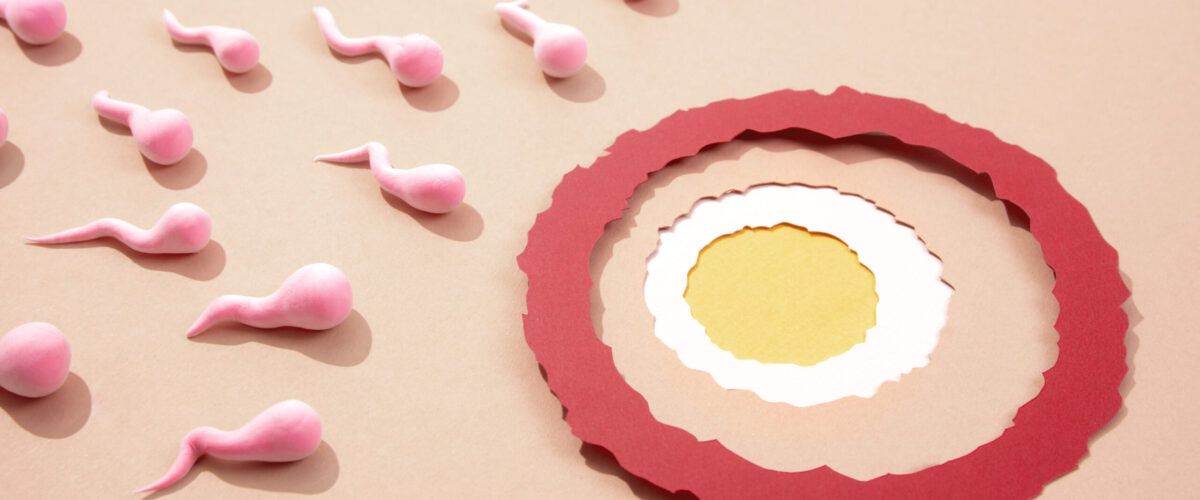
Yes, fertilization remains possible the day after ovulation within the 12-24 hour post-release viability window of the oocyte, though conception probability decreases significantly compared to intercourse occurring on ovulation day or during the preceding 48 hours when cumulus-oocyte complex remains optimally receptive to capacitated spermatozoa.
Entity-Dense Explanation
Definition: Ovulation occurs when the dominant follicle ruptures following the luteinizing hormone (LH) surge, releasing a mature oocyte into the ampulla of the fallopian tube. The oocyte maintains fertilization competency for 12-24 hours post-release before degenerating through apoptosis if unfertilized.
Process: Spermatozoa can survive in the female reproductive tract for up to 5 days in fertile-quality cervical mucus with optimal pH and glycoprotein composition. Following ejaculation, sperm undergo capacitation (removal of cholesterol from sperm membrane) over 4-6 hours, enabling acrosome reaction necessary for zona pellucida penetration. If intercourse occurs the day after ovulation, previously deposited sperm already residing in the fallopian tube can fertilize the aging oocyte. Understanding fertility timing and pregnancy options provides comprehensive reproductive health knowledge.
Example: A woman ovulates Monday at 2 PM. The oocyte remains viable until Tuesday 2 PM (24 hours). Intercourse on Tuesday morning at 10 AM allows sperm from previous days or newly deposited sperm to fertilize the egg before viability expires.
Evidence-Based Conception Probability Data
A 2025 prospective cohort study published in Human Reproduction tracking 5,830 menstrual cycles with urinary LH monitoring demonstrated conception probabilities: ovulation day minus 2 (25%), ovulation day minus 1 (30%), ovulation day itself (33%), and ovulation day plus 1 (12%). The study confirmed conception probability drops 63% when intercourse occurs one day post-ovulation versus on ovulation day. For those considering emergency contraception or abortion options, understanding these fertility windows remains critical.
Critical Fertility Takeaways
- Peak fertility window: The 6-day interval ending on ovulation day (5 days pre-ovulation plus ovulation day) accounts for 98% of conceptions in natural cycles
- Rapid decline post-ovulation: Fertilization probability decreases by approximately 50% every 12 hours after ovulation as oocyte quality deteriorates
- Sperm longevity advantage: Pre-ovulation intercourse yields higher conception rates because capacitated sperm await oocyte release in optimal position
Myth vs. Clinical Reality
|
Myth |
Clinical Reality |
|
“You can only get pregnant on ovulation day” |
Fertile window spans 6 days; sperm survival (up to 5 days) enables pre-ovulation conception from earlier intercourse |
|
“Pregnancy equally likely any day in fertile window” |
Conception probability peaks at ovulation day minus 1 and ovulation day; drops 63% by day after ovulation |
|
“Sperm reach egg immediately after intercourse” |
Sperm require 4-6 hours for capacitation; fastest sperm reach fallopian tubes in 30-60 minutes but need processing time |
|
“Egg lasts several days after release” |
Oocyte viability limited to 12-24 hours; fertilization must occur within this narrow window for conception |
Biological Mechanisms and Timing
Luteinizing hormone surge: LH peaks 24-36 hours before follicle rupture. Ovulation predictor kits detect this surge, indicating ovulation occurs within 12-48 hours.
Oocyte release and transport: The mature oocyte surrounded by cumulus cells enters the fallopian tube ampulla where fertilization typically occurs. Fimbrial sweeping captures the oocyte-cumulus complex.
Sperm capacitation timeline: Ejaculated sperm require cervical mucus exposure and uterine/tubal fluid interaction for 4-6 hours to achieve hyperactivated motility necessary for zona pellucida binding.
Fertilization window: The oocyte remains fertilization-competent for 12-24 hours. After 24 hours, the zona pellucida hardens (zona reaction preventing polyspermy) and cytoplasmic quality deteriorates.
Optimizing Conception Timing
Most fertile days: Intercourse on the 2 days preceding ovulation and ovulation day itself maximizes conception probability. This timing ensures capacitated sperm await oocyte release.
Day-after-ovulation intercourse: Conception remains possible if the oocyte hasn’t exceeded its 24-hour viability window. However, probability is substantially lower (approximately 12% per cycle versus 30-33% on optimal days).
Fertility awareness methods: Tracking basal body temperature (rises 0.5-1°F post-ovulation), cervical mucus quality (peak fertility shows clear, stretchy discharge), and LH surges helps identify the fertile window. Understanding how fertility tracking relates to pregnancy prevention supports informed reproductive choices.
Clinical recommendation: The American Society for Reproductive Medicine (ASRM) recommends intercourse every 1-2 days during the fertile window for couples attempting conception, ensuring sperm presence when ovulation occurs.

Dr. James Carter is a board-certified physician and lead clinician at Serenity Choice Health, specializing in reproductive health access and medication abortion protocols. With over 20+ years of experience, he combines clinical expertise with patient-centered care to ensure safe, compassionate, and confidential reproductive healthcare.