
Yes, dehydration can absolutely make abortion cramps worse. Staying properly hydrated is one of the most effective ways to manage physical discomfort during the medication abortion process, yet it is an easily overlooked part of recovery preparation.
When your body lacks sufficient fluids, it reacts in ways that directly amplify the pain and intensity of uterine contractions.
1. How Dehydration Intensifies Pain
-
Muscle Cramping and Spasms: Dehydration alters the balance of crucial electrolytes (like potassium and sodium) in your muscle tissue. Because the uterus is a major muscle, systemic dehydration makes it prone to sharper, more intense spasms and prolonged abortion pill cramps.
-
Increased Prostaglandin Sensitivity: The second medication, misoprostol, works by mimicking prostaglandins—the natural chemicals that cause your uterus to contract and shed its lining. Dehydration can increase your body’s sensitivity to these pain-inducing chemicals, making the contractions feel much more severe than they would if you were well-hydrated.
-
Compounded Dizziness and Fatigue: Heavy bleeding after misoprostol naturally results in fluid loss. If you are already dehydrated, this blood loss will cause your blood pressure to drop even further, worsening symptoms like dizziness, lightheadedness, and profound fatigue.
2. Side Effects That Drain Fluids
It is easy to become dehydrated during an abortion because the most common misoprostol side effects directly cause fluid loss.
-
Vomiting and Diarrhea: Misoprostol frequently affects the gastrointestinal tract, leading to vomiting 30 minutes after taking misoprostol or active diarrhea.
-
Fever and Sweating: Experiencing chills after taking misoprostol or a mild fever can cause you to sweat heavily, depleting your hydration reserves before you even realize it.
3. How to Properly Hydrate for Comfort
Managing your fluid intake requires a proactive approach before the active phase of your recovery begins.
-
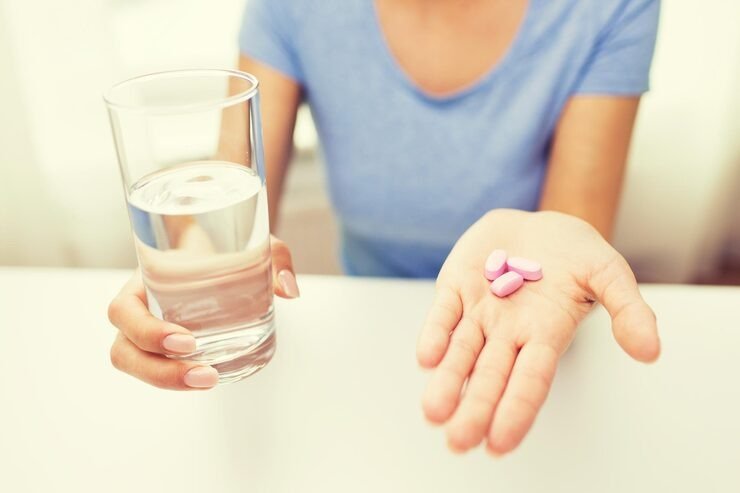
Sip, Don’t Chug: If you are dealing with mifepristone nausea, drinking large amounts of water at once can trigger a vomiting reflex. Instead, keep a glass nearby and sip small amounts consistently.
-
Choose Electrolytes: Plain water is excellent, but if you have experienced diarrhea or vomiting, you need to replace lost minerals. Electrolyte drinks, oral rehydration solutions, and clear broths are highly effective.
-
Eat Hydrating Foods: When your appetite begins to return, gentle fruits like a banana can provide both hydration and the potassium your muscles need to prevent cramping.
Support at Serenity Choice Health
Our clinical team prioritizes your physical comfort and safety by helping you prepare for every stage of your recovery.
-
Pre-Care Planning: Through telehealth abortion in Illinois, we help you establish a nutrition and hydration plan well before you take your first dose, ensuring your body is in the best possible condition to handle the process.
-
Symptom Management: We provide clear guidance on over-the-counter and prescription options to control nausea so that you can keep fluids down comfortably.
-
24/7 Clinical Support: If you find that you are completely unable to keep any fluids down for more than 4 to 6 hours, our medical team is available around the clock to evaluate your symptoms and provide immediate guidance.
Are you currently experiencing nausea that makes it hard to drink water, or are you preparing your recovery space and wanting to know which fluids are best to stock up on? Contact our medical team or book a confidential appointment to finalize your care plan.

Dr. James Carter is a board-certified physician and lead clinician at Serenity Choice Health, specializing in reproductive health access and medication abortion protocols. With over 20+ years of experience, he combines clinical expertise with patient-centered care to ensure safe, compassionate, and confidential reproductive healthcare.