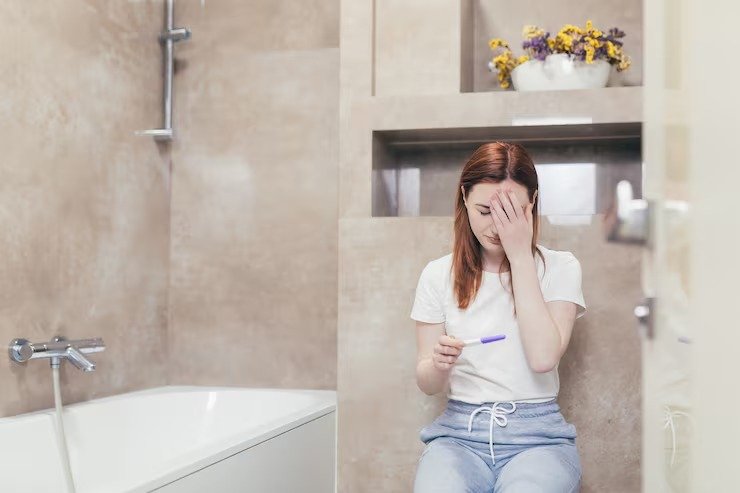

Yes, you can safely use a shared toilet during a medication abortion. Passing blood clots and tissue during the process is completely normal, and standard household plumbing handles pregnancy tissue and menstrual blood without any special requirements or risk to the plumbing system.
When you live with family members, roommates, or guests, managing the physical process in a shared bathroom requires practical planning to maintain your privacy and peace of mind. Knowing what to expect and setting up a discreet routine makes sharing a restroom manageable throughout your recovery.
Practical Tips for Managing a Shared Toilet
Because the heavy bleeding and cramping phase typically peaks within a few hours of taking misoprostol, planning ahead reduces stress and friction in a busy household.
-
Keep Personal Supplies Handy: Store a discreet pouch in your bedroom or carry a small basket to the bathroom containing maxi pads, wet wipes, and sealable disposal bags so you do not need to hunt for supplies in shared cabinets. To review home setup tips, read our guide on how to prepare your home for a smooth abortion pill recovery.
-
Plumbing and Flushing Safety: You can flush waste or use the toilet normally. If you pass large clots or tissue into the bowl, standard flushing handles everything safely. However, never flush maxi pads, tampons, or wipes, as these will cause plumbing clogs in shared or residential pipes.
-
Managing Privacy and Timing: If possible, schedule your misoprostol dose for a time when household traffic is low—such as late afternoon or evening—allowing you uninterrupted access during the most intense hours of bleeding. To review expected milestones, read when does the main abortion bleeding start.
Maintaining Discretion and Hygiene
Keeping the shared space clean and private ensures you feel comfortable while recovering.
-
Use Opaque Disposal Bags: Wrap used pads securely in toilet paper and place them inside sealable, opaque disposal bags before putting them in the trash.
-
Wipe Down Surfaces: Keep a gentle disinfectant wipe nearby to quickly clean the seat or rim if needed, maintaining a clean environment for everyone sharing the restroom. To review general safety standards, read our guide on are telehealth abortions safe.
Recognizing Warning Signs and When to Seek Help
While managing a shared restroom is primarily a logistical hurdle, staying vigilant about your physical recovery is essential. Reach out for urgent medical attention immediately if you experience:
-
Soaking through two or more large maxi pads per hour for two consecutive hours or longer, which indicates a dangerous hemorrhage requiring urgent medical intervention.
-
Severe, unrelenting abdominal pain that fails to improve with pain medication, rest, or a heating pad.
-
A persistent fever of 100.4°F (38°C) or higher lasting more than 24 hours after taking misoprostol, signaling a potential infection.
-
Uncontrollable dizziness, fainting, or sudden confusion.
-
Pregnancy symptoms lasting beyond two weeks post-treatment.
If you have questions about home privacy, want to review detailed red-flag indicators in our guide on what are the warning signs after an abortion, or need to confirm if can a telehealth doctor prescribe an abortion pill for your situation, please book an appointment with Serenity Choice Health today to speak directly with a licensed professional.

Dr. James Carter is a board-certified physician and lead clinician at Serenity Choice Health, specializing in reproductive health access and medication abortion protocols. With over 20+ years of experience, he combines clinical expertise with patient-centered care to ensure safe, compassionate, and confidential reproductive healthcare.