
If you’re preparing for a medication abortion or using misoprostol as prescribed for another medical reason, you may have questions about what you can safely eat or drink afterward. One of the most common concerns is: Can you drink water after taking misoprostol?
The simple answer is yes. Drinking water after taking misoprostol is generally safe and encouraged. Staying hydrated can help your body recover, especially if you experience cramping, diarrhea, vomiting, or heavy bleeding, which are common side effects of the medication.
Understanding what to expect after taking misoprostol can help you feel more prepared and confident throughout the process. Our guide on what to expect from misoprostol covers the full range of symptoms and what is normal at each stage.
Can You Drink Water After Taking Misoprostol?
Yes. You can drink water after taking misoprostol, and doing so does not reduce the medication’s effectiveness.
Whether you took misoprostol buccally, sublingually, or vaginally according to your healthcare provider’s instructions, drinking water afterward will not interfere with how the medication works.
In fact, maintaining good hydration is an important part of medication abortion aftercare. For a complete walkthrough of the full aftercare process, read our abortion experience before, during, and after care guide.
Does Drinking Water Affect How Misoprostol Works?
No.
Misoprostol works by causing the uterus to contract and empty its contents. Once the medication has been absorbed according to the recommended method, drinking water does not wash it away or stop it from working. For a full explanation of how misoprostol and mifepristone work together in a medication abortion, read our guides on how the abortion pill works and the mifepristone guide.
The key is following the administration instructions carefully.
For example:
- If instructed to let the tablets dissolve under your tongue or inside your cheeks, allow them to remain there for the recommended amount of time before swallowing any remaining fragments.
- After the medication has dissolved as instructed, drinking water is perfectly fine.
Following your provider’s directions is more important than avoiding water.
Why Staying Hydrated Is Important After Taking Misoprostol
Hydration supports your body’s normal recovery during a medication abortion.
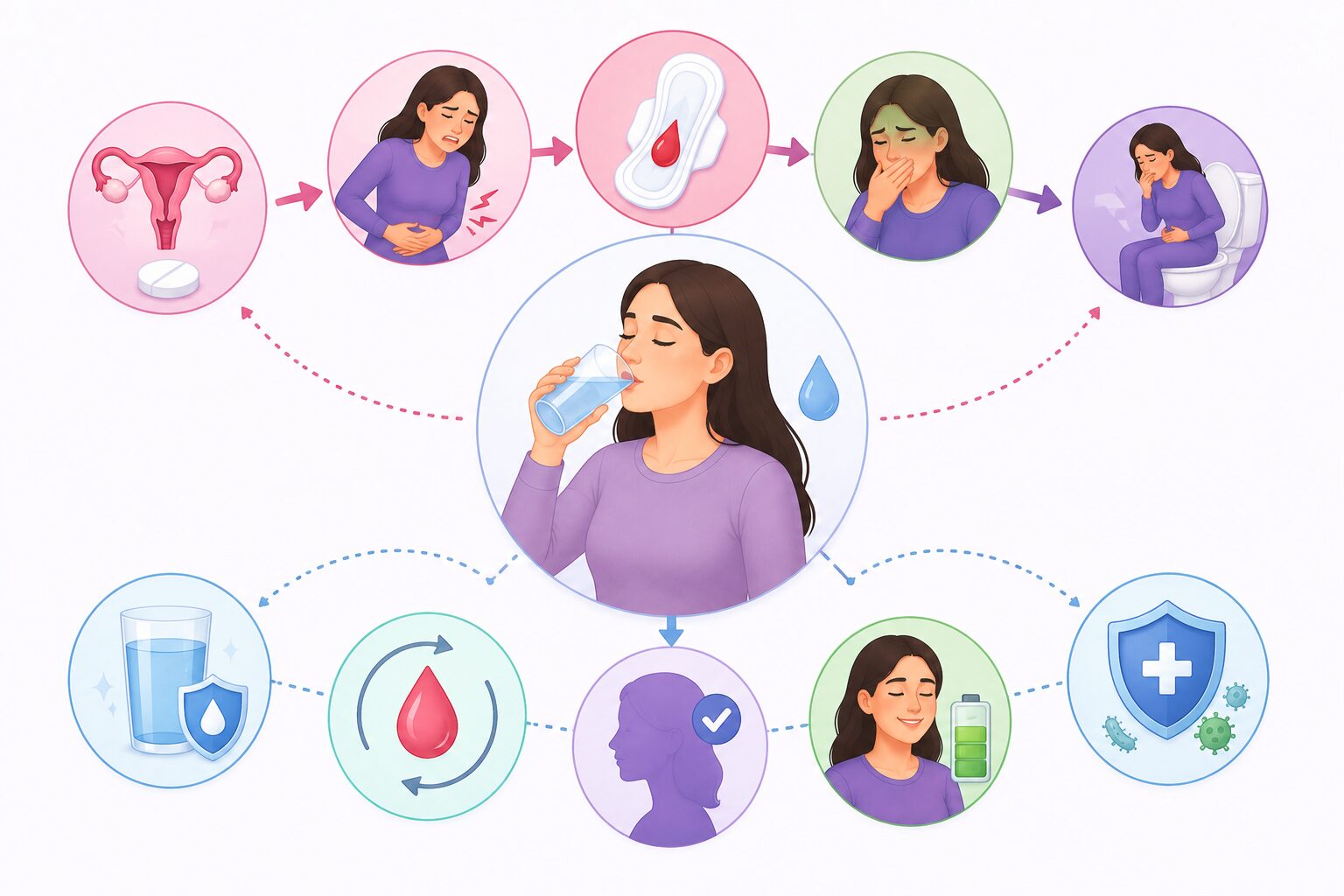
Many people experience symptoms such as:
- Cramping
- Bleeding
- Nausea
- Vomiting
- Diarrhea
- Fatigue
These symptoms may increase your risk of becoming dehydrated, especially if vomiting or diarrhea continues for several hours. Read our guide on nausea after abortion for more on managing this common side effect. For guidance on bleeding patterns during recovery, see our guide on bleeding after the abortion pill.
Drinking water helps:
- Replace lost fluids
- Support normal circulation
- Reduce feelings of dizziness
- Improve overall comfort
- Promote recovery
Taking small, frequent sips is often easier if your stomach feels unsettled.
How Much Water Should You Drink?
There is no special amount of water required specifically because of misoprostol.
Instead, aim to drink enough fluids throughout the day to stay hydrated.
Good signs that you’re drinking enough include:
- Light yellow urine
- Moist mouth
- Normal energy levels
- Minimal dizziness
If you’re experiencing vomiting or diarrhea, you may need additional fluids.
What Are the Best Drinks After Taking Misoprostol?
Water is usually the best choice.
Other good options include:
Oral Rehydration Solutions
These replace fluids and electrolytes if you’ve had vomiting or diarrhea.
Clear Broths
Warm broths provide fluids while being gentle on the stomach.
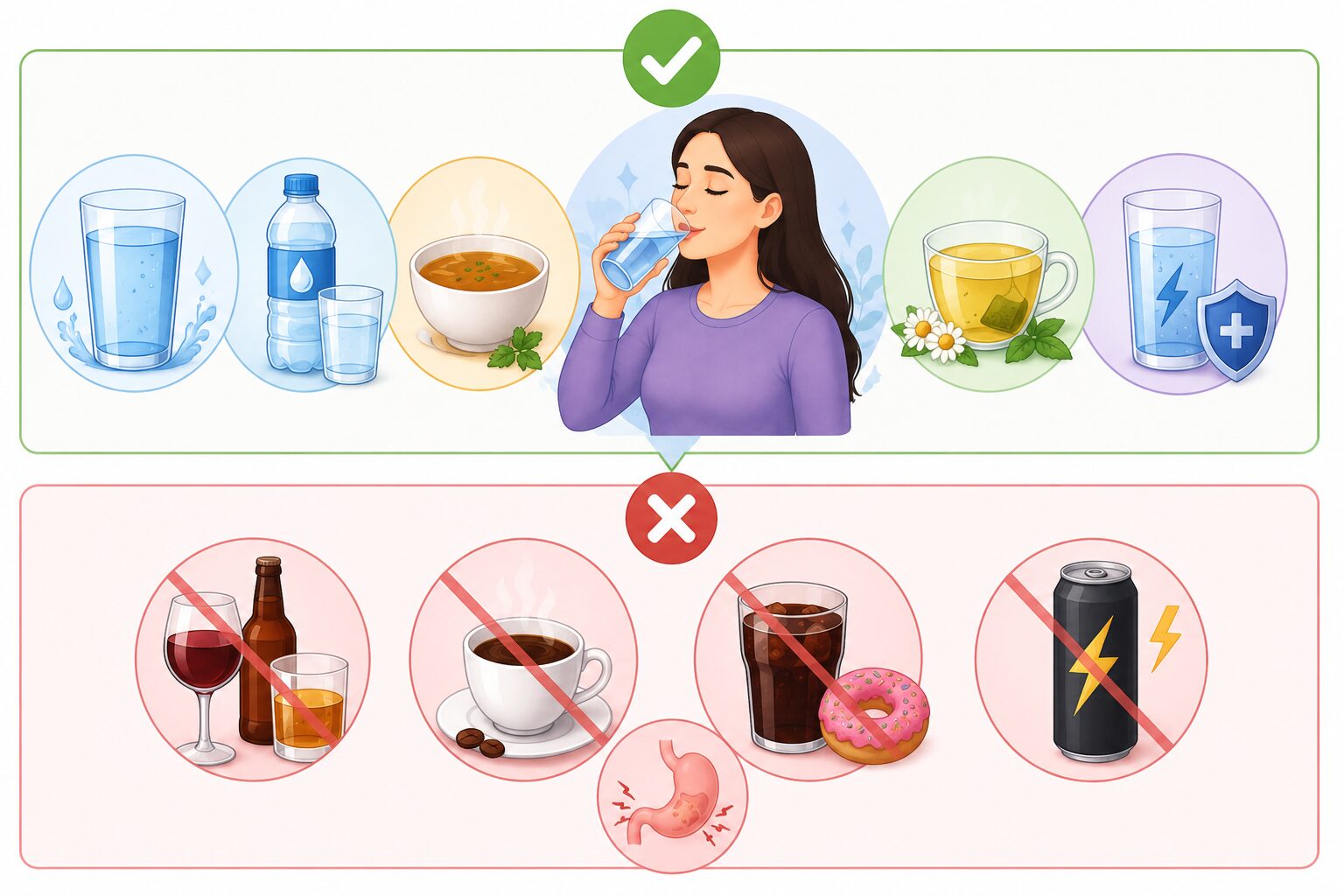
Herbal Tea
Caffeine-free teas may be soothing if you have nausea or cramping.
Electrolyte Drinks
Low-sugar electrolyte beverages can help replenish minerals lost through diarrhea or vomiting.
Drink slowly if nausea is present.
Are There Any Drinks You Should Limit?
Although water is encouraged, certain beverages may worsen symptoms for some people.
Consider limiting:
Alcohol
Alcohol may increase dehydration and impair your ability to monitor your symptoms. Read our full guide on alcohol after misoprostol for a detailed explanation of why alcohol should be avoided during recovery.
Large Amounts of Caffeine
Coffee and energy drinks may contribute to dehydration in some individuals and may worsen stomach discomfort.
Sugary Soft Drinks
Highly sweetened beverages may aggravate nausea or diarrhea in some people.
Moderation is generally the best approach.
What If You Feel Nauseous After Taking Misoprostol?
Nausea is a common side effect.
If drinking plain water makes nausea worse:
- Take very small sips
- Try sucking on ice chips
- Drink chilled water instead of warm water
- Use an oral rehydration solution if recommended by your healthcare provider
Once your stomach settles, gradually resume drinking normally.
What If You Vomit After Taking Misoprostol?
The answer depends on when vomiting occurs.
If vomiting happens shortly after taking the medication — particularly before it has had enough time to dissolve or absorb — you should contact your healthcare provider for guidance.
If vomiting occurs later, after the medication has already been absorbed, it usually does not affect how well misoprostol works. Our guide on when abortion pills don’t work explains what to do if you have concerns about the medication’s effectiveness.
Because timing matters, always follow the instructions provided by your healthcare provider or clinic.
Watch for Signs of Dehydration
Most people recover without becoming dehydrated, but it’s helpful to recognize warning signs.
Seek medical advice if you experience:
- Extreme thirst
- Very dark urine
- Urinating much less than usual
- Persistent dizziness
- Rapid heartbeat
- Dry mouth that does not improve
- Inability to keep fluids down
Prompt evaluation is especially important if severe vomiting or diarrhea continues.
Additional Aftercare Tips
In addition to staying hydrated:
- Rest as needed
- Use pads to monitor bleeding
- Follow your provider’s instructions for pain relief
- Eat light meals when you feel ready
- Attend any recommended follow-up appointments
- Reach out to your healthcare provider if symptoms seem unusual or concerning
For comprehensive pain relief strategies during recovery, read our abortion pain management guide. For a full picture of what to expect at each stage of your recovery, our medication abortion explained guide covers the complete process in detail.
When Should You Contact a Healthcare Provider?
Contact your healthcare provider if you experience:
- Very heavy bleeding that exceeds the instructions you were given
- Severe pain that is not relieved by recommended medication
- Fever that develops or persists after the expected timeframe
- Persistent vomiting that prevents you from drinking fluids
- Signs of dehydration
- Any symptoms that make you concerned about your recovery
Receiving prompt medical guidance helps ensure your safety. Our telehealth abortion care includes follow-up consultations so you can reach a provider quickly from home. Our in-clinic abortion services are also available if in-person evaluation or additional care becomes necessary. You can also book a confidential appointment directly with our care team.
Why Trust Serenity Choice Health?
At Serenity Choice Health, we believe every patient deserves compassionate, evidence-based care and clear information throughout the medication abortion process.
Whether you have questions before taking misoprostol or need guidance during recovery, our experienced healthcare team is committed to providing confidential support and medically accurate aftercare information tailored to your needs.
Conclusion
If you’re wondering, can you drink water after taking misoprostol, the answer is yes. Drinking water does not reduce the effectiveness of the medication and is an important part of staying comfortable and hydrated during recovery.
Listen to your body, drink fluids regularly, and follow the aftercare instructions provided by your healthcare professional. If you experience concerning symptoms or have questions about your recovery, don’t hesitate to contact your healthcare provider.
If you need confidential medication abortion care or have questions about aftercare, read our guide on how to know if the abortion pill worked to understand how to confirm your outcome. Visit our abortion pill page for a full overview of the process, and reach out to our women’s primary care services for any ongoing follow-up support you need. Serenity Choice Health is here to provide compassionate support every step of the way.
FAQ Section
Can I drink water immediately after taking misoprostol?
Yes. After following the prescribed instructions for taking the medication, drinking water is generally safe and does not affect how misoprostol works.
Does drinking water make misoprostol less effective?
No. Water does not reduce the effectiveness of misoprostol once the medication has been taken according to instructions.
What should I drink after taking misoprostol?
Water is the best choice. Oral rehydration solutions, clear broths, and caffeine-free herbal teas can also help if you’re experiencing nausea or diarrhea.
What if I vomit after taking misoprostol?
If vomiting occurs shortly after taking the medication and before it has had enough time to absorb, contact your healthcare provider for guidance. Later vomiting usually does not affect the medication’s effectiveness.
Can dehydration happen after taking misoprostol?
It can happen if vomiting or diarrhea is severe or prolonged. Drinking fluids regularly helps reduce this risk.
Should I avoid coffee after taking misoprostol?
Small amounts may be acceptable for some people, but excessive caffeine may worsen dehydration or stomach discomfort. Water remains the preferred beverage during recovery.

Dr. James Carter is a board-certified physician and lead clinician at Serenity Choice Health, specializing in reproductive health access and medication abortion protocols. With over 20+ years of experience, he combines clinical expertise with patient-centered care to ensure safe, compassionate, and confidential reproductive healthcare.