
If you’re preparing for a medication abortion, it’s natural to have questions about what you should do beforehand. One of the most common concerns is can you eat before taking abortion pills, especially if you’ve heard that some medications work better on an empty stomach.
The reassuring answer is yes you can generally eat before taking abortion pills. In fact, many healthcare providers recommend eating a light meal or snack before taking the medication, particularly because nausea is a common side effect during a medication abortion.
Knowing how food affects the medications and choosing the right foods beforehand can help you feel more comfortable throughout the process.
Can You Eat Before Taking Abortion Pills?
Yes. In most cases, you do not need to take abortion pills on an empty stomach.
The two medications commonly used in a medication abortion mifepristone followed by misoprostol can generally be taken with or without food. Eating beforehand does not reduce their effectiveness when taken as directed by your healthcare provider.
If you’re worried about stomach upset or nausea, having a light meal before taking the medication may actually help you feel better.
Always follow the instructions provided by your healthcare provider or clinic, as they may recommend specific timing based on your treatment plan.
Does Food Affect the Effectiveness of Abortion Pills?
Current medical guidance indicates that food does not significantly affect how well mifepristone or misoprostol works.
Whether you’ve eaten recently or not, the medications are designed to work as intended when used correctly.
Instead of affecting effectiveness, eating mainly influences how comfortable you feel, especially if you’re prone to nausea.
Why Eating Beforehand May Help
Although eating isn’t required, many people find that a small meal helps reduce stomach discomfort.
Benefits may include:
- Less nausea
- Reduced stomach irritation
- More stable energy levels
- Better tolerance of medication
- Greater comfort during cramping
Since medication abortion often involves cramping, bleeding, and gastrointestinal side effects, starting the process while nourished can make the experience easier.
What Should You Eat Before Taking Abortion Pills?
Choose foods that are easy to digest and gentle on your stomach.
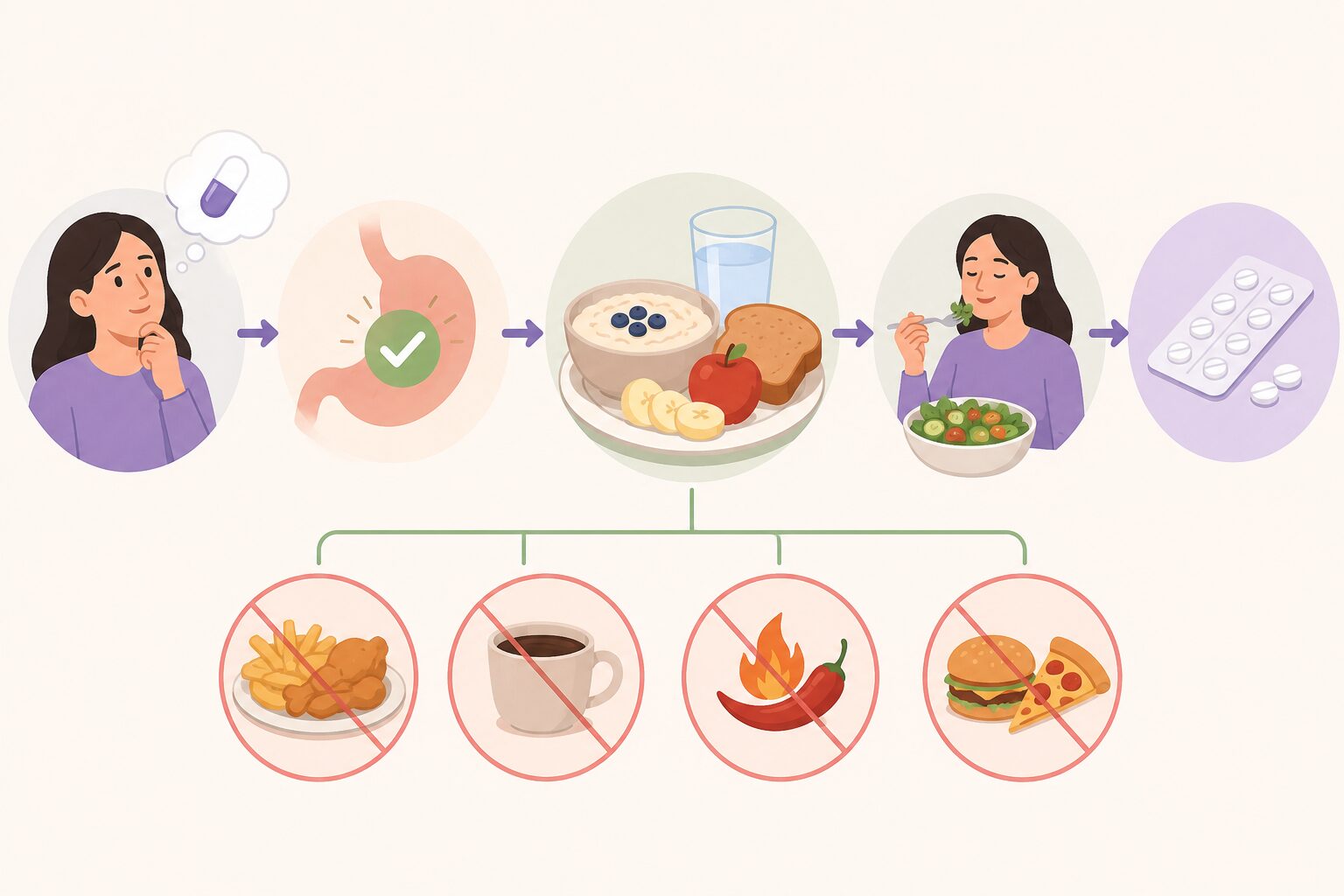
Good options include:
- Toast
- Crackers
- Rice
- Oatmeal
- Bananas
- Applesauce
- Yogurt
- Soup
- Plain pasta
- Scrambled eggs
A light meal one to two hours beforehand is usually sufficient if you’re feeling hungry.
You don’t need a large meal unless advised otherwise.
Stay Hydrated
Hydration is just as important as eating.
Drink water throughout the day before taking your medication.
Some people also find it helpful to sip:
- Water
- Electrolyte drinks
- Clear broths
- Herbal tea (if tolerated)
Good hydration may help you feel better during cramping and bleeding.
Foods and Drinks You May Want to Limit
There are no universal food restrictions with abortion pills, but certain items may worsen nausea or stomach upset.
You may wish to limit:
Heavy or Greasy Foods
High-fat meals can contribute to nausea in some people.
Examples include:
- Fried foods
- Fast food
- Heavy cream sauces
Very Spicy Foods
Spicy meals may increase stomach irritation if you’re already feeling nauseated.
Excessive Alcohol
Avoid alcohol during the medication abortion process unless your healthcare provider advises otherwise, as it may worsen dehydration and make it harder to monitor symptoms.
Large Amounts of Caffeine
Moderate caffeine is generally not known to interfere with abortion pills, but excessive amounts may contribute to dehydration or increase feelings of anxiety for some individuals.
What If You Feel Nauseated?
Nausea is a common side effect of both pregnancy and medication abortion.
If you’re concerned about nausea:
- Eat a light meal beforehand.
- Sip fluids slowly.
- Eat small snacks throughout the day.
- Avoid strong food odors if they trigger nausea.
- Follow your provider’s instructions regarding anti-nausea medication if one has been prescribed.
Many people find that simple, bland foods are easier to tolerate.
What If You Vomit After Taking Abortion Pills?
This is a common concern.
If you vomit shortly after taking mifepristone, contact your healthcare provider or clinic. Depending on how soon vomiting occurred, they can advise whether another dose is needed.
If you’re using misoprostol by letting the tablets dissolve in your cheeks, under your tongue, or vaginally (depending on your prescribed instructions), vomiting after the medication has dissolved is generally less likely to affect treatment. However, if vomiting occurs before you’ve completed the instructed method or if you’re unsure what to do, contact your healthcare provider for personalized guidance.
If vomiting is severe or persistent, seek medical advice promptly.
Additional Tips Before Taking Abortion Pills
Preparing ahead can make the experience more manageable.
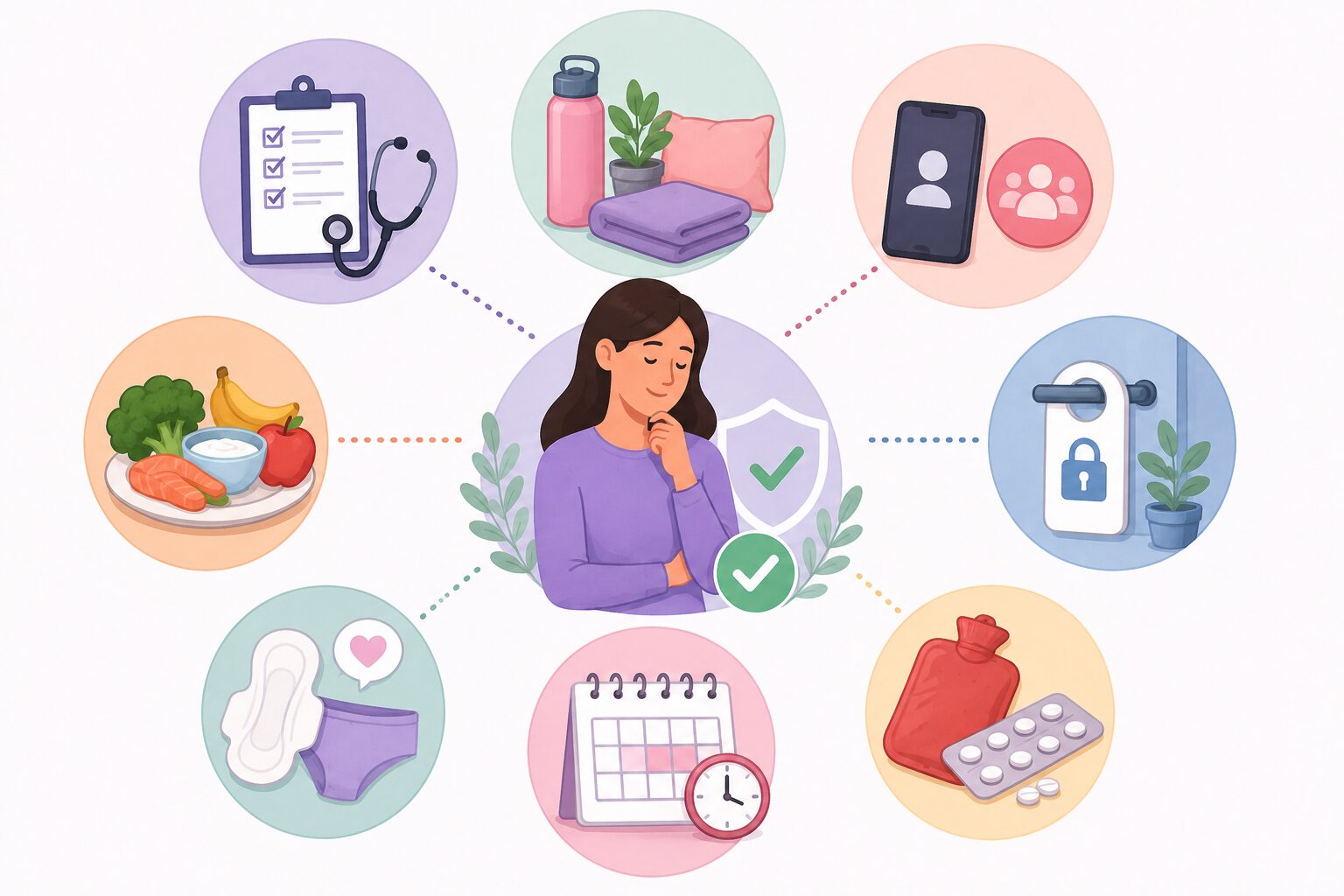
Consider:
- Eating a light meal beforehand.
- Drinking plenty of fluids.
- Having sanitary pads available.
- Wearing comfortable clothing.
- Planning to rest at home if possible.
- Keeping pain relief medications on hand if recommended by your healthcare provider.
- Having a trusted support person available if desired.
Being prepared can help reduce stress and allow you to focus on your comfort.
When Should You Contact a Healthcare Provider?
Contact your healthcare provider if:
- You’re unable to keep fluids down due to repeated vomiting.
- You have questions about whether your medication was absorbed.
- You’re unsure whether to repeat a dose after vomiting.
- You experience severe dehydration.
- You’re concerned about your symptoms.
After taking abortion pills, seek urgent medical care if you experience heavy bleeding, severe abdominal pain that isn’t relieved by recommended medication, a persistent high fever, or other symptoms your provider has identified as warning signs.
Conclusion
If you’re wondering can you eat before taking abortion pills, the answer is generally yes. Eating a light meal before taking mifepristone or misoprostol does not reduce their effectiveness and may help lessen nausea or stomach discomfort.
Following your healthcare provider’s instructions, staying hydrated, and preparing with easy-to-digest foods can make the medication abortion process more comfortable. If you have questions about vomiting, side effects, or how to take your medication correctly, contact your healthcare provider for personalized guidance.
If your clinic offers medication abortion services, encourage readers to reach out with questions before beginning treatment. Clear instructions and ongoing support can help ensure they feel informed and confident throughout the process.
FAQ Section
Should I take abortion pills on an empty stomach?
No. Most people can take abortion pills with or without food. Eating beforehand may help reduce nausea.
Does eating make abortion pills less effective?
No. Food does not generally reduce the effectiveness of mifepristone or misoprostol when taken as directed.
What foods are best before taking abortion pills?
Light, easy-to-digest foods such as toast, crackers, oatmeal, bananas, yogurt, soup, or rice are good options.
What if I vomit after taking the medication?
If you vomit shortly after taking mifepristone, contact your healthcare provider. If you’re using misoprostol and are unsure whether vomiting affected your dose, contact your provider for instructions.
Can I drink coffee before taking abortion pills?
Moderate caffeine is not known to interfere with abortion pills, but drinking plenty of water is also important to stay hydrated.
Should I drink plenty of water during a medication abortion?
Yes. Staying hydrated can help support your comfort, especially if you’re experiencing bleeding, cramping, nausea, or diarrhea.

Dr. James Carter is a board-certified physician and lead clinician at Serenity Choice Health, specializing in reproductive health access and medication abortion protocols. With over 20+ years of experience, he combines clinical expertise with patient-centered care to ensure safe, compassionate, and confidential reproductive healthcare.