
Can your home state track Illinois clinic visits?

No, your home state cannot easily or legally track your medical visits to an Illinois clinic. Illinois has established some of the strongest legal safeguards in the country to ensure that your out-of-state medical care remains completely private and protected from home-state surveillance or retaliation. 1. Illinois “Shield Laws” Block Out-of-State Investigations Illinois has strict […]
Can a job drug test detect abortion pills?
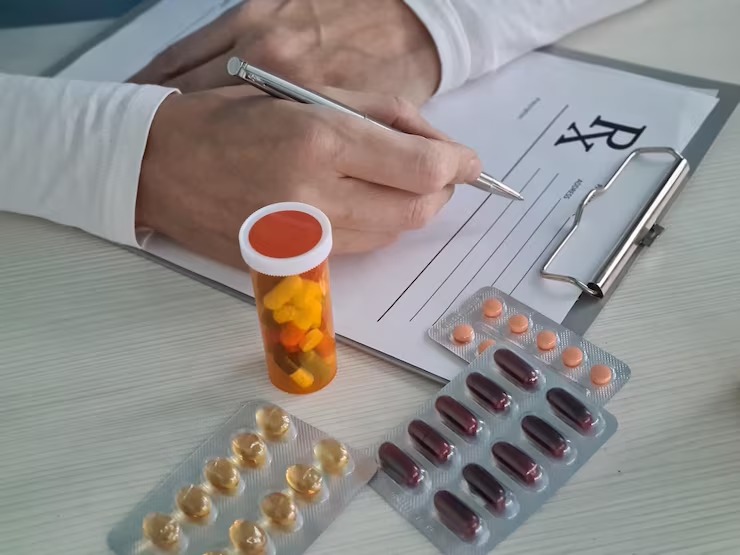
No, a job drug test cannot detect abortion pills. Standard workplace drug screenings such as 5-panel, 10-panel, or 12-panel urine tests are designed specifically to identify controlled substances and drugs of abuse, not reproductive healthcare medications. The medications used in a medication abortion, mifepristone and misoprostol, have entirely different chemical structures than recreational drugs and […]
Can I do my telehealth follow-up from home in IN?

No, you cannot legally complete your telehealth follow-up appointment while physically located at your home in Indiana. Due to strict state medical licensing laws and regulations governing reproductive healthcare, you must be physically located within the state of Illinois at the exact moment of your virtual consultation with our clinical team. To prepare for your […]
Where near the IN-IL border can I pick up abortion pills?

If you are traveling from Indiana, you can safely and legally pick up abortion pills at Serenity Choice Health in Matteson, Illinois, located just a short drive from the IN-IL border. By scheduling a telehealth consultation while inside Illinois, you can obtain your prescription and pick up your medications at our physical clinic on the […]
Can I Use an Out-of-State ID for an IL Abortion?

Yes, you can absolutely use any valid, government-issued out-of-state ID to receive abortion care in Illinois. Illinois has no residency requirements, no mandatory waiting periods, and no parental notification laws for patients seeking an abortion. Whether you live in Indiana, Kentucky, or any other state, you are legally entitled to receive the exact same medical […]
Can I get pills at Matteson clinic same day as telehealth?
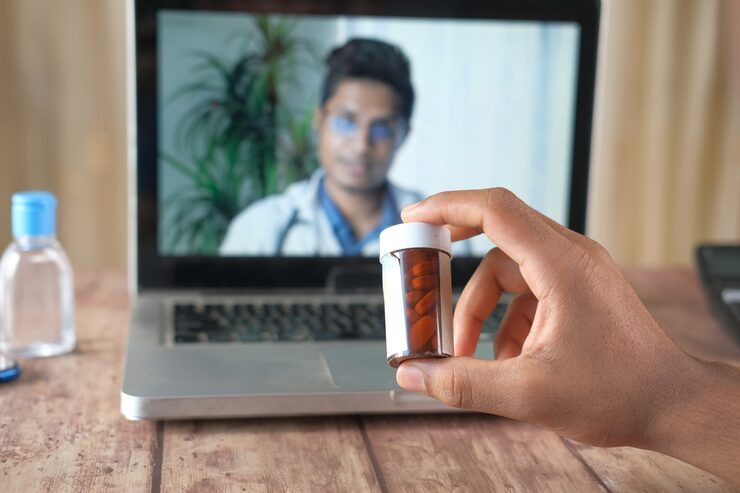
Yes, you can absolutely get your pills at our Matteson clinic the same day as your telehealth appointment. If you are traveling from Indiana or simply want to avoid waiting for a package in the mail, this same-day virtual-to-pickup option is designed to get you your medications as quickly and privately as possible. How the […]
Does IN penalize me for traveling to IL for abortions?
No, Indiana does not penalize or prosecute patients for traveling to Illinois for abortion care. While Indiana has a near-total ban on performing abortions within its own state borders, those laws are strictly directed at healthcare providers operating inside Indiana. There are no laws penalizing you for leaving the state to seek legal medical care […]
Can I return to IN right after taking the first abortion pill?

Yes, you can absolutely return to Indiana immediately after swallowing the first abortion pill (Mifepristone). There is no medical or legal requirement for you to remain in Illinois once your clinical consultation is complete and you have taken the first dose. Why Traveling Right Away is Safe The medical process is designed to let you […]
How long must I stay in IL for my telehealth abortion visit?

You only need to stay in Illinois for the duration of your virtual appointment itself—which usually takes about 10 to 15 minutes. Once your video or phone consultation with the licensed Illinois clinician is finished, you are legally free to leave the state immediately. You do not need to wait in Illinois for your medications […]
Can I ship abortion pills to an IL UPS or FedEx store?

Yes, you can often ship abortion pills to a secure UPS or FedEx pickup location, but this depends entirely on which telehealth provider you use and their specific shipping policies. For patients who need total privacy—or who don’t have a safe home address where they can receive packages—using a “Hold for Pickup” location is a […]