
Can I ask questions before booking an abortion appointment?
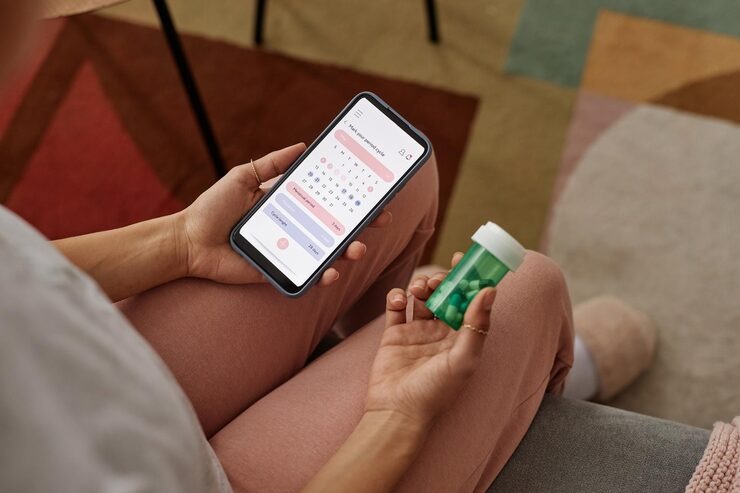
Yes, you can absolutely ask any questions you have before making any commitments or booking an appointment. At Serenity Choice Health, we believe that navigating reproductive healthcare should never feel rushed or confusing. You have the right to be fully informed about your options, your timeline, and your costs before you decide to move forward. […]
Where can I find abortion pill delivery in New York?

Yes, you can easily access fast, discreet abortion pill delivery anywhere in New York State. New York has robust legal protections and comprehensive shield laws that allow licensed reproductive health providers to evaluate you virtually and mail prescription abortion medications directly to your home or a secure pickup address. Through Serenity Choice Health, our specialized […]
Can New York patients get abortion pills by telehealth?

Yes, patients in New York can absolutely get abortion pills by telehealth. New York maintains incredibly strong, comprehensive state protections for reproductive healthcare. Under New York law, medication abortion (the abortion pill) via virtual appointments is completely legal, heavily protected, and widely accessible for residents across the state. Through Serenity Choice Health, our telehealth network […]
Telehealth Abortion in Illinois for Out-of-State Patients
Yes, you can absolutely use telehealth abortion services while physically in Illinois, even if you live or maintain your permanent residency in another state. Medical and legal eligibility for telehealth is entirely based on where you are physically standing at the exact moment of your care, not where your driver’s license was issued. At Serenity […]
Can Northwest Indiana Patients Get Abortion Care in Illinois?

Yes, patients from Northwest Indiana can absolutely come to Illinois for abortion care. Because Indiana enforces a near-total ban on abortion services, traveling across the state line into Illinois is a completely legal, heavily protected, and routine way for Northwest Indiana residents to access safe care. At Serenity Choice Health, our clinics are specifically structured […]
Can I get abortion care near Tinley Park or Orland Park?

Yes, you can absolutely access safe, confidential abortion care if you live near Tinley Park or Orland Park. Since Illinois law fully protects reproductive healthcare, you do not have to travel into downtown Chicago to find high-quality medical services. Serenity Choice Health is located just a short drive away in Matteson, IL, providing highly accessible […]
Can I book a Chicago abortion appointment if I live in Indiana?

Yes, you can absolutely book an abortion appointment at Serenity Choice Health if you live in Indiana. Illinois law fully protects the right to abortion care for both state residents and out-of-state travelers. Since Indiana enforces a near-total ban on abortion care, traveling across the border to our Matteson, IL facility is a completely legal, […]
Do cheaper abortion pill services include follow-up care?
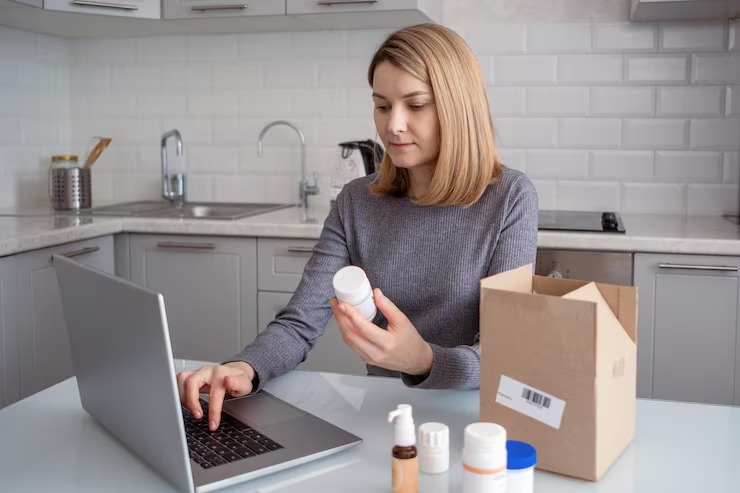
Yes, reputable, low-cost abortion pill services absolutely include follow-up care in their flat-rate fees. However, how that follow-up is delivered depends on the type of provider you choose. When comparing cheaper options, it is helpful to look at how different services handle your aftercare: Certified Virtual & Non-Profit Clinics: Providers like Aid Access, Hey Jane, […]
Can I get Abortion Care and Birth Control In One Visit?

Yes, you can absolutely get abortion care and start a new method of birth control during the very same visit. In fact, addressing both your immediate healthcare needs and your long-term reproductive planning in a single appointment is a standard medical best practice. Most patients find that combining these services is highly convenient, saves time, […]
What’s the difference btw Abortion Pill Pickup vs by Mail?

Both abortion pill pickup and abortion pills by mail are safe, effective, and highly confidential methods for managing a medication abortion. The choice between them typically comes down to your personal schedule, how quickly you need the medications, and your comfort level with home delivery. Here is a transparent breakdown of how these two options […]