

Taking abortion pills is only one part of the medication abortion process. Many people wonder what happens next and whether they need another appointment afterward. It’s a common question, especially for those using telehealth services or recovering at home.
The answer depends on your individual situation, your healthcare provider’s recommendations, and how your recovery progresses. While not every person needs an in-person visit, follow-up care remains an important part of ensuring that the medication worked as expected and that recovery is going smoothly.
Understanding what follow-up involves can help you feel more confident, recognize normal healing, and know when additional medical attention may be needed. Our your abortion experience before, during, and after care guide provides a complete walkthrough of what to expect at every stage of the process.
Is a Follow-Up Appointment Always Required?
Not necessarily.
Modern medication abortion protocols often allow healthcare providers to confirm successful treatment without requiring every patient to return to the clinic. Many follow-up evaluations can now be completed through secure telehealth appointments, phone consultations, symptom checklists, or home pregnancy testing. Learn more about the benefits of telehealth and how virtual follow-up care makes the recovery process more accessible without unnecessary travel.
However, your provider may recommend an in-person evaluation if:
- Your symptoms are unusual
- Heavy bleeding continues longer than expected
- Severe pain develops
- There is concern that the pregnancy has continued
- You have risk factors requiring additional monitoring
Following your provider’s instructions is the best way to ensure a safe recovery.
Why Follow-Up Care Matters
Even when recovery appears normal, follow-up helps confirm that the medication abortion is complete and that no further treatment is necessary.
A follow-up appointment may help:
- Confirm the pregnancy has ended
- Review your symptoms
- Answer recovery questions
- Discuss pain or bleeding
- Identify rare complications early
- Provide emotional support if needed
- Discuss future reproductive healthcare and contraception if desired
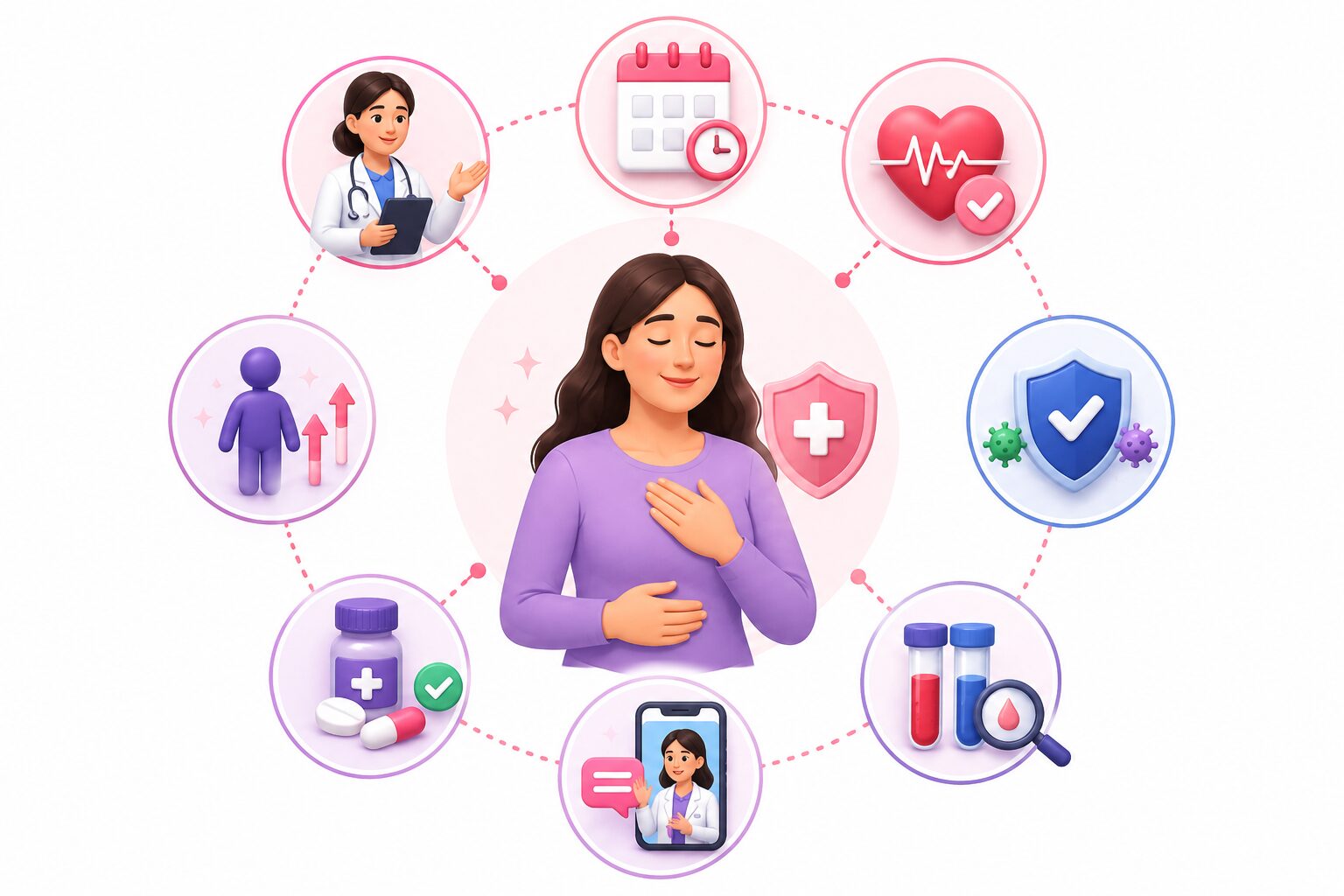
For many patients, simply having reassurance from a healthcare professional can reduce anxiety during recovery. Read our abortion safety medical facts guide for a broader overview of what the evidence says about medication abortion safety and recovery.
How Healthcare Providers Confirm the Abortion Was Successful
Healthcare providers use several methods depending on your situation.
Symptom Review
Your provider may ask about bleeding, cramping, pregnancy symptoms, fever, pain levels, and overall recovery. Many patients can be evaluated safely through these questions alone. Read our guide on how to know if the abortion pill worked for a full breakdown of the signs that confirm successful treatment.
Home Pregnancy Test
Some providers recommend taking a high-sensitivity pregnancy test several weeks after treatment. Testing too early may still produce a positive result because pregnancy hormones take time to decline. Your provider will explain the appropriate timing.
Ultrasound (When Needed)
An ultrasound is usually reserved for situations where symptoms suggest an incomplete abortion, bleeding is unusual, pain is severe, or pregnancy may still be ongoing. Not every patient requires imaging. Read our guide on whether ultrasounds and bloodwork are needed for an abortion for more context on when these evaluations become necessary.
Blood Tests
Occasionally, blood tests measuring pregnancy hormone (hCG) levels help confirm that the pregnancy has ended successfully.
What Happens During a Follow-Up Appointment?
Whether conducted in person or through telehealth, a follow-up visit is generally straightforward.
Your provider may:
- Ask about bleeding and cramping
- Review any medications taken
- Discuss current symptoms
- Answer questions about recovery
- Recommend additional testing if needed
- Discuss when normal activities can resume
- Provide guidance about contraception if requested
Most appointments are brief and focused on confirming that recovery is progressing as expected. Our birth control and contraceptive services cover all available contraception options that can be discussed as part of your follow-up visit.
Can Follow-Up Be Done Through Telehealth?
In many cases, yes.
Telehealth has become an effective option for medication abortion follow-up for appropriately selected patients. Our telehealth abortion care service includes follow-up consultations specifically designed to support patients recovering at home.
A virtual appointment may include:
- Reviewing symptoms
- Discussing bleeding patterns
- Assessing pain
- Reviewing pregnancy test results
- Answering questions
- Determining whether additional in-person care is needed
Telehealth can reduce unnecessary travel while still allowing healthcare providers to monitor recovery.
Signs Your Recovery Is Progressing Normally
Recovery varies from person to person, but many people experience:
- Bleeding that gradually becomes lighter
- Cramping that improves over several days
- Pregnancy symptoms fading
- Increasing energy
- Gradual return to normal daily activities
Light spotting may continue for several weeks. For a detailed breakdown of what bleeding patterns are normal at each stage of recovery, read our guide on bleeding after the abortion pill. For guidance on managing cramping and discomfort, see our abortion pain management guide.
Your healthcare provider can explain what is expected based on your treatment plan.
Warning Signs That Require Medical Attention
Although complications after medication abortion are uncommon, it’s important to recognize symptoms that should not be ignored.
Contact your healthcare provider promptly if you experience:
- Very heavy bleeding
- Severe abdominal pain that does not improve
- Fever after the first day of treatment
- Chills that persist
- Foul-smelling vaginal discharge
- Ongoing pregnancy symptoms
- Little or no bleeding when significant bleeding was expected
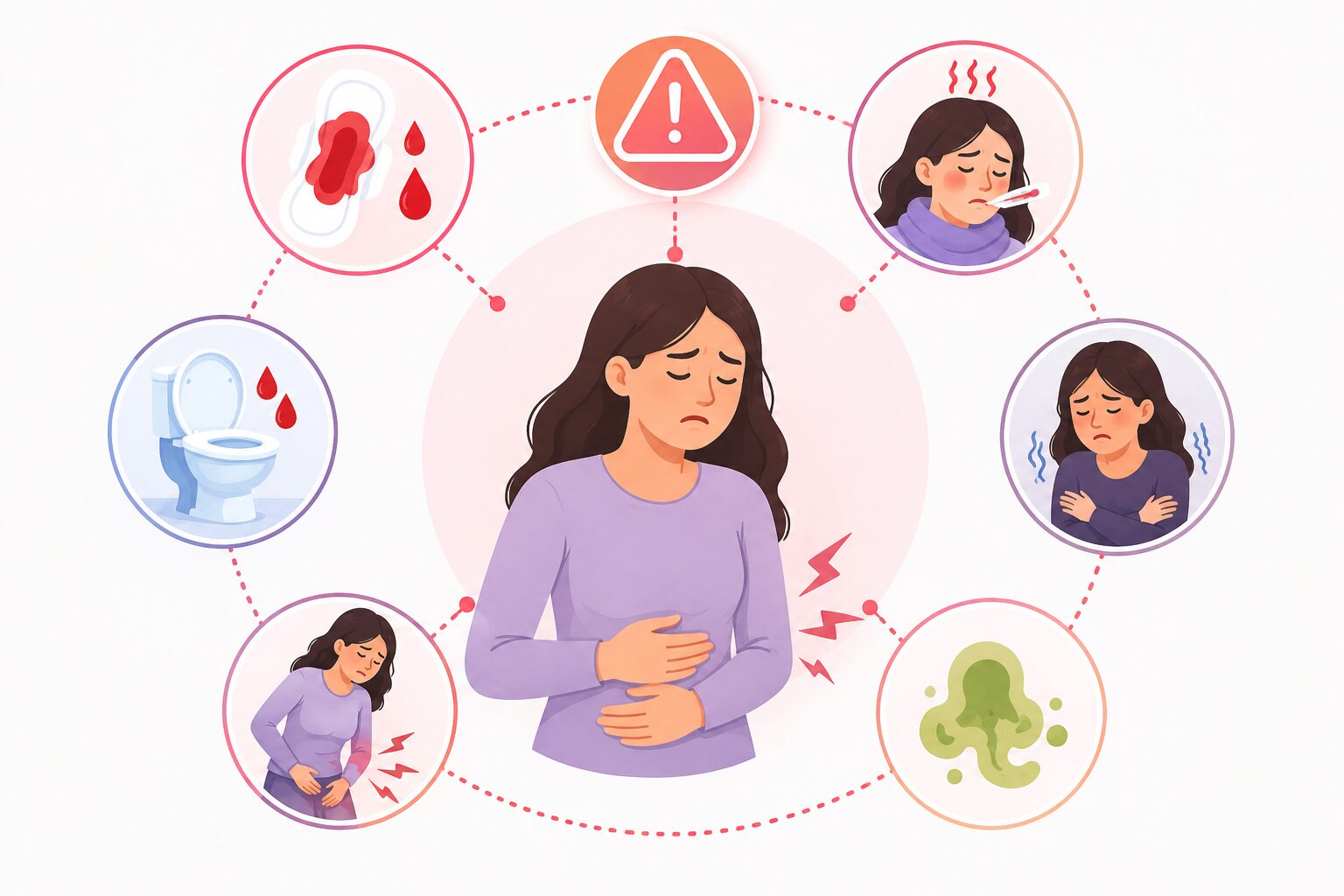
Our guide on when abortion pills don’t work explains what an incomplete or failed medication abortion involves and what your options are if additional treatment is needed. Our in-clinic abortion services are available for situations requiring in-person evaluation or additional care.
Seeking timely medical advice can help address concerns before they become more serious.
Recovery Timeline After Abortion Pills
Every recovery is different, but a general timeline looks like this:
First 24 Hours
- Cramping
- Heavy bleeding
- Passing pregnancy tissue
- Fatigue
First Week
- Bleeding gradually decreases
- Cramping becomes milder
- Pregnancy symptoms begin improving
Two to Four Weeks
- Light spotting may continue
- Energy returns
- Most daily activities resume normally
Several Weeks Later
Your provider may recommend a home pregnancy test or follow-up assessment to confirm successful treatment. For a full explanation of how misoprostol and mifepristone work during the medication abortion process, read our guides on medication abortion explained, what to expect from misoprostol, and the mifepristone guide.
When Should You Take a Pregnancy Test?
Many people worry if a pregnancy test remains positive shortly after treatment.
This can be completely normal because pregnancy hormones do not disappear immediately.
Your healthcare provider will recommend the appropriate timing for testing, which is often several weeks after taking the medication. Testing too early can cause unnecessary concern. Also read our guide on nausea after abortion to understand other lingering symptoms that can persist during recovery.
When Should You Contact Your Healthcare Provider?
Even if your recovery seems normal, don’t hesitate to reach out if you have questions.
Contact your provider if:
- Symptoms seem unusual
- Bleeding suddenly becomes much heavier
- Pain worsens instead of improving
- Pregnancy symptoms continue
- You are unsure whether the medication worked
- You simply need reassurance
No concern is too small when it comes to your health. Book a confidential appointment with our team for prompt, personalized guidance on your recovery.
Emotional Recovery Is Also Part of Healing
Physical recovery is only one aspect of the experience.
People respond emotionally in many different ways after medication abortion. Some feel relief, while others experience mixed emotions. There is no “right” emotional response.
If you find that emotional distress is interfering with daily life or continues over time, speaking with a trusted healthcare provider or mental health professional may be helpful. Our guide on how to recover emotionally after an abortion offers practical support for the weeks following your procedure.
Support should address both physical and emotional well-being.
Conclusion
A follow-up appointment after abortion pills is not always required, but follow-up care remains an important part of the medication abortion process. Whether your provider recommends a telehealth check-in, home pregnancy testing, or an in-person visit, the goal is the same: confirming that treatment was successful and ensuring you are recovering safely.
Knowing what symptoms are expected, recognizing warning signs, and following your provider’s instructions can help you feel more confident throughout recovery.
If you ever feel uncertain about your symptoms or have questions after taking abortion pills, reaching out to a qualified healthcare provider is always the safest choice.
Need compassionate medication abortion follow-up or have questions about your recovery? Our abortion pill page covers the complete medication abortion process. Serenity Choice Health provides confidential, patient-centered care through our telehealth abortion care and women’s primary care services — with experienced healthcare professionals who can guide you through every stage of the process.
FAQ Section
1. Do I always need a follow-up appointment after abortion pills?
Not always. Many patients can complete follow-up through telehealth, symptom review, or home pregnancy testing, depending on their provider’s recommendations.
2. How do I know if the abortion pills worked?
Signs often include bleeding, cramping, and improvement in pregnancy symptoms. Your provider may also recommend follow-up testing or a consultation.
3. Can I have my follow-up appointment through telehealth?
Yes. Many healthcare providers now offer virtual follow-up appointments for eligible patients recovering normally.
4. When should I seek medical attention after taking abortion pills?
Contact your provider if you experience very heavy bleeding, severe pain, persistent fever, foul-smelling discharge, or ongoing pregnancy symptoms.
5. When should I take a pregnancy test after medication abortion?
Follow your healthcare provider’s instructions. Testing too early may produce a positive result even after a successful medication abortion.
6. What happens during a follow-up appointment?
Your provider typically reviews your symptoms, discusses recovery, answers questions, and determines whether additional testing or treatment is needed.

Dr. James Carter is a board-certified physician and lead clinician at Serenity Choice Health, specializing in reproductive health access and medication abortion protocols. With over 20+ years of experience, he combines clinical expertise with patient-centered care to ensure safe, compassionate, and confidential reproductive healthcare.