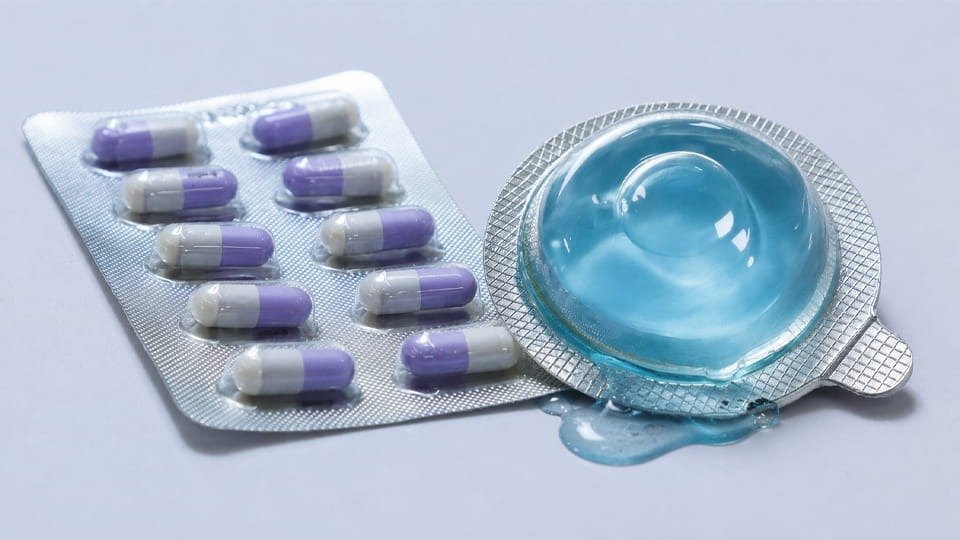

Yes, appetite changes can happen after taking abortion pills. Some people temporarily lose their appetite because of nausea, vomiting, abdominal cramping, or fatigue. Others notice increased hunger as their eating habits return to normal. Increased hunger is not an established typical direct side effect of misoprostol, and appetite changes cannot confirm whether an abortion is complete.
Key Points to Remember
- Appetite loss can occur after taking abortion pills.
- Nausea, vomiting, abdominal cramping, and fatigue may affect your desire to eat.
- Some people experience increased hunger as their normal eating habits return.
- Increased hunger is not an established typical direct side effect of misoprostol.
- There is no fixed timeline for appetite to return to normal.
- Eating small portions of easily tolerated foods may help when your appetite is low.
- Staying hydrated is important, particularly if you experience vomiting or diarrhea.
- Appetite changes cannot confirm whether an abortion has been completed.
- Persistent vomiting, dehydration, severe abdominal pain, or other concerning symptoms require medical attention.
Understanding what may influence your appetite, how to manage eating difficulties, and which symptoms need medical attention can help you navigate recovery more confidently.
Is It Normal to Lose Your Appetite After Taking Abortion Pills?
Yes. Some people experience reduced appetite after taking abortion pills, particularly when they also experience nausea, vomiting, abdominal discomfort, or fatigue.
You might notice that you:
- Feel less interested in your usual meals.
- Get full after eating a small amount.
- Feel nauseated when you smell or think about food.
- Want to eat but find it difficult because of stomach discomfort.
- Eat less frequently than you normally would.
These experiences can be associated with the physical symptoms occurring during medication abortion, although not everyone experiences them.
What causes loss of appetite after abortion pills?
There is no single explanation for appetite loss after medication abortion. Several factors may contribute.
1. Nausea and vomiting
Nausea is a recognized side effect of medication abortion, particularly around the time misoprostol is used.
When your stomach feels unsettled, eating may become uncomfortable. Even foods you normally enjoy might temporarily seem unappealing.
If vomiting is making it difficult to eat or drink, read our guide on vomiting after misoprostol for more information about this particular symptom.
2. Abdominal cramping
Misoprostol causes uterine contractions that help the body expel pregnancy tissue.
The resulting cramps can cause considerable discomfort. When you are experiencing pain or feeling physically uncomfortable, you may not feel like eating a regular meal.
3. Digestive symptoms
Misoprostol can cause gastrointestinal effects, including diarrhea, nausea, and vomiting.
These symptoms may temporarily interfere with your normal eating habits and make it difficult to maintain your usual meal schedule.
4. Fatigue and physical discomfort
The medication abortion process can involve bleeding, cramping, tiredness, and other physical symptoms.
When you are feeling exhausted or uncomfortable, you might naturally become less interested in preparing or eating food.
5. Emotional stress
People have different emotional experiences surrounding abortion. Anxiety, stress, changes in sleep, and other personal circumstances can influence appetite.
Some people eat less during stressful experiences, while others notice increased hunger.
These possibilities should not be interpreted as evidence that everyone experiences the same emotional or physical response.
Why Am I Extra Hungry After an Abortion?
While some people experience appetite loss, others notice the opposite: they feel unusually hungry after an abortion.
You might find yourself eating more frequently, wanting larger portions, or feeling hungry again shortly after eating.
This can be surprising, particularly if you previously experienced nausea or had difficulty eating during pregnancy.
There is no single established medical explanation for increased hunger after abortion pills. However, several circumstances may influence your appetite.
1. Your appetite may be returning after pregnancy-related nausea
Pregnancy-related nausea can make eating difficult for some people.
If you were eating less because of nausea, food aversions, or digestive discomfort, you might notice a stronger appetite as those symptoms improve.
For example, someone who previously struggled to finish meals may begin feeling hungry more frequently when nausea becomes less troublesome.
This may feel like an increase in hunger, even if the appetite is gradually returning toward its usual pattern.
2. You may have been eating less than your body normally needs
During the medication abortion process, symptoms such as nausea, vomiting, and cramping can interrupt normal eating routines.
If you have eaten smaller portions or skipped meals because of discomfort, you may feel hungrier when you begin eating regularly again.
This is one possible explanation for noticing increased hunger after a period of reduced food intake.
3. Changes in daily routines may affect your appetite
Sleep, stress, physical activity, and meal timing can all influence hunger.
If your daily routine has changed during recovery, you might notice that you feel hungry at different times or want food more frequently.
These changes are not necessarily caused by the abortion medications themselves.
4. Pregnancy-related hormonal changes may still be occurring
Pregnancy involves changes in several hormones, including human chorionic gonadotropin (hCG), progesterone, and estrogen.
After a pregnancy ends, pregnancy-related hormone levels change over time.
These changes are part of the body’s transition after pregnancy. However, there is insufficient evidence to establish that declining hormone levels directly cause increased hunger after medication abortion.
It is therefore better not to assume that unusual hunger is automatically a sign of hormonal imbalance.
If persistent increased hunger occurs alongside excessive thirst, frequent urination, unexplained weight changes, or other unusual symptoms, discuss it with a healthcare professional.
Does Misoprostol Make You Hungry?
One of the most common questions about appetite changes is whether misoprostol itself causes increased hunger.
Misoprostol is a prostaglandin medication used in medication abortion. It helps the uterus contract, allowing pregnancy tissue to pass.
Recognized side effects associated with misoprostol include:
- Nausea.
- Vomiting.
- Diarrhea.
- Abdominal cramping.
- Fever and chills.
- Headache.
- Fatigue.
However, increased hunger is not an established typical direct side effect of misoprostol in standard clinical guidance.
This distinction is important because experiencing hunger after taking the medication does not necessarily mean the medication is directly increasing your appetite.
Several other circumstances may influence how hungry you feel, including:
- Improvement in nausea.
- Returning to your usual eating routine.
- Changes in food intake.
- Physical and emotional recovery.
- Individual differences in appetite.
Can mifepristone affect your appetite?
Mifepristone is the first medication in the commonly used combination regimen.
It blocks progesterone receptors, helping end the pregnancy. It can be associated with medication-related symptoms, including nausea and other physical discomfort.
These symptoms may indirectly influence appetite.
It is important to distinguish between a medication causing a recognized side effect and that side effect influencing how much you want to eat.
There is not enough evidence to identify a specific appetite response that everyone should expect after taking mifepristone or misoprostol.
Why Do I Feel Hungry Even After Eating After an Abortion?
Feeling hungry again shortly after a meal can be frustrating, especially when this is different from your usual eating pattern.
Some possible explanations include:
Reduced food intake: If nausea or discomfort previously prevented you from eating enough, you may feel hungrier as you resume normal meals.
Changes in meal timing: Eating at different times or having smaller portions than usual may influence when hunger returns.
Improving symptoms: Your appetite may become more noticeable as nausea and other uncomfortable symptoms improve.
Other health factors: Persistent excessive hunger can have causes unrelated to medication abortion.
If unusual hunger continues, particularly with excessive thirst, frequent urination, or unexplained weight changes, consider getting medical advice rather than assuming the abortion medication is responsible.
How Long Does Loss of Appetite Last After an Abortion?
There is no established timeline for when everyone’s appetite should return to normal after taking abortion pills.
Some people notice improvement as nausea, vomiting, and digestive discomfort settle. Others experience changes in their eating habits for longer.
The duration may depend on:
- Whether you experienced pregnancy-related nausea.
- How your body responded to mifepristone and misoprostol.
- Whether you experienced vomiting or diarrhea.
- Your usual eating habits.
- Physical discomfort and fatigue.
- Other individual health circumstances.
It is also important to distinguish between gastrointestinal side effects and appetite recovery.
For example, nausea may improve while your usual eating pattern is still returning. Similarly, appetite changes may occur even after other medication-related symptoms have settled.
What does research say about appetite after abortion?
Research on appetite specifically after medication abortion is limited.
One relevant study by Westhoff, Picardo, and Morrow, published in Contraception in 2003, examined quality of life following early medical or surgical abortion.
The study included 97 participants, with 55 undergoing medical abortion and 42 undergoing surgical abortion.
Researchers evaluated several physical and emotional experiences, including appetite loss.
The study reported that average appetite-loss scores improved between the initial assessment and the one-month follow-up.
This offers some evidence that appetite-related difficulties can improve during recovery.
However, the study was relatively small, was not randomized, and included both medical and surgical abortion patients. It does not establish an exact recovery timeline or prove that abortion medication directly causes appetite loss.
The appropriate takeaway is that appetite can change during recovery, but individual experiences vary.
What Should You Eat If You Have No Appetite After Abortion Pills?
If you have little interest in food after taking abortion pills, you do not necessarily need to force yourself to eat large meals.
Instead, try choosing foods that are easier for you to tolerate and eating smaller portions when needed.
Foods that may be easier to tolerate
Depending on your preferences and symptoms, you might try:
- Plain crackers or toast.
- Bananas.
- Rice.
- Oatmeal.
- Applesauce.
- Clear soup or broth.
- Potatoes.
- Yogurt, if you tolerate dairy.
- Eggs or other protein-containing foods.
These are practical food options, not a special medical diet required after abortion.
As your appetite improves, you can gradually return to your usual balanced meals.
For more detailed meal suggestions and nutrition guidance, see our article on what you should eat during the abortion pill process.
Why is hydration important?
If you experience vomiting or diarrhea, maintaining adequate fluid intake is particularly important.
You can consider:
- Water.
- Clear broth.
- Oral rehydration solutions when appropriate.
- Electrolyte drinks.
- Other fluids that you can comfortably tolerate.
If your stomach feels unsettled, taking small, regular sips may be easier than drinking a large amount at once.
If repeated vomiting prevents you from keeping fluids down, contact your healthcare provider promptly.
Can You Eat After Taking Misoprostol?
Many people also wonder whether they can eat after taking misoprostol for abortion.
The answer depends on the prescribed regimen and administration route.
For example, when misoprostol is administered buccally, the tablets are placed between the cheeks and gums and kept there for the instructed period, commonly 30 minutes, before any remaining pieces are swallowed.
Follow the administration instructions provided with your medication. Do not interrupt the required period to eat or change the way you take the tablets.
There is no universal fasting period that applies to every medication abortion regimen.
For a more detailed explanation of eating around medication administration, read our guide: Can I eat after taking misoprostol for abortion?.
If you are uncertain about when you can eat or drink, contact your healthcare provider or pharmacist.
Can Appetite Changes After Abortion Cause Weight Gain or Weight Loss?
Changes in appetite can influence how much you eat, but they do not automatically mean you will gain or lose weight.
Some people eat less because of nausea, vomiting, or digestive discomfort. Others may eat more frequently as their appetite returns.
Short-term changes on the scale can also be influenced by:
- Food and fluid intake.
- Hydration.
- Constipation or diarrhea.
- Changes in daily routines.
- Other individual health factors.
There is no good evidence that standard medication abortion routinely causes permanent weight gain or weight loss.
If you experience significant or unexplained weight changes, particularly alongside persistent appetite changes, excessive thirst, or unusual fatigue, speak with a healthcare professional.
When Should You Be Concerned About Appetite Changes After Abortion Pills?
Temporary appetite changes do not necessarily indicate a complication. However, certain symptoms deserve medical attention.
Contact your abortion provider promptly if you experience:
- Repeated vomiting that prevents you from keeping fluids down.
- Signs of dehydration, such as very little urine or significant dizziness.
- Fever that persists beyond 24 hours after misoprostol or begins after that period.
- Severe or worsening abdominal pain.
- Unusual or foul-smelling vaginal discharge.
- Feeling increasingly weak or unwell.
Seek urgent medical attention if you soak through two full-size sanitary pads per hour for two consecutive hours, faint, or experience severe symptoms.
Severe one-sided abdominal pain or shoulder-tip pain also requires urgent assessment.
Do not assume that persistent or worsening symptoms are simply caused by hunger, appetite loss, or ordinary medication effects.
Remember that appetite changes, nausea, bleeding, or increased hunger alone cannot confirm whether an abortion has been completed.
Follow the recommended pregnancy-test and follow-up instructions provided by your healthcare professional.
Final Thoughts
Feeling unusually hungry or having no appetite after taking abortion pills can be confusing, particularly when you are already experiencing nausea, cramping, and other physical changes.
However, these experiences are different for everyone.
Some people temporarily lose interest in food because of nausea, vomiting, digestive discomfort, or fatigue. Others notice increased hunger as their appetite and normal eating patterns return.
Although misoprostol is associated with several gastrointestinal side effects, increased hunger is not an established typical direct effect of the medication.
Give yourself time to recover, eat foods you can comfortably tolerate, maintain adequate hydration, and follow the aftercare instructions provided by your healthcare professional.
Most importantly, do not ignore persistent or worsening symptoms. If you cannot keep fluids down, experience severe pain, develop a persistent fever, or feel faint or unusually weak, seek medical guidance.
Your appetite alone cannot determine whether an abortion is complete or whether your recovery is progressing normally.
This article is for educational purposes and does not replace individualized medical advice from a qualified healthcare professional.
Medical references for editorial verification
These references support the medical discussion. They do not establish increased hunger as a direct effect of abortion medication.
1. Westhoff, C., Picardo, L., & Morrow, E. (2003). Quality of life following early medical or surgical abortion. Contraception, 67(1), 41–47. DOI
2. American College of Obstetricians and Gynecologists. (2020). Medication Abortion Up to 70 Days of Gestation: Practice Bulletin No. 225. ACOG
3. U.S. Food and Drug Administration. (2023). Mifeprex Prescribing Information. FDA
4. World Health Organization. (2022). Abortion Care Guideline. WHO
5. World Health Organization. (2023). Clinical Practice Handbook for Quality Abortion Care. WHO
6. Macnaughton, H., Nothnagle, M., & Early, J. (2021). Mifepristone and misoprostol for early pregnancy loss and medication abortion. American Family Physician. Clinical review
7. Beaman, J., Prifti, C., Schwarz, E. B., & Sobota, M. (2020). Medication to Manage Abortion and Miscarriage. Journal of General Internal Medicine. Research article
8. Kapp, N., Eckersberger, E., Lavelanet, A., & Rodriguez, M. I. (2019). Medical abortion in the late first trimester: A systematic review. Contraception. Research article
9. Jayaweera, R., Egwuatu, I., Nmezi, S., et al. (2023). Medication abortion safety and effectiveness with misoprostol alone. JAMA Network Open. Research article

Dr. James Carter is a board-certified physician and lead clinician at Serenity Choice Health, specializing in reproductive health access and medication abortion protocols. With over 20+ years of experience, he combines clinical expertise with patient-centered care to ensure safe, compassionate, and confidential reproductive healthcare.