
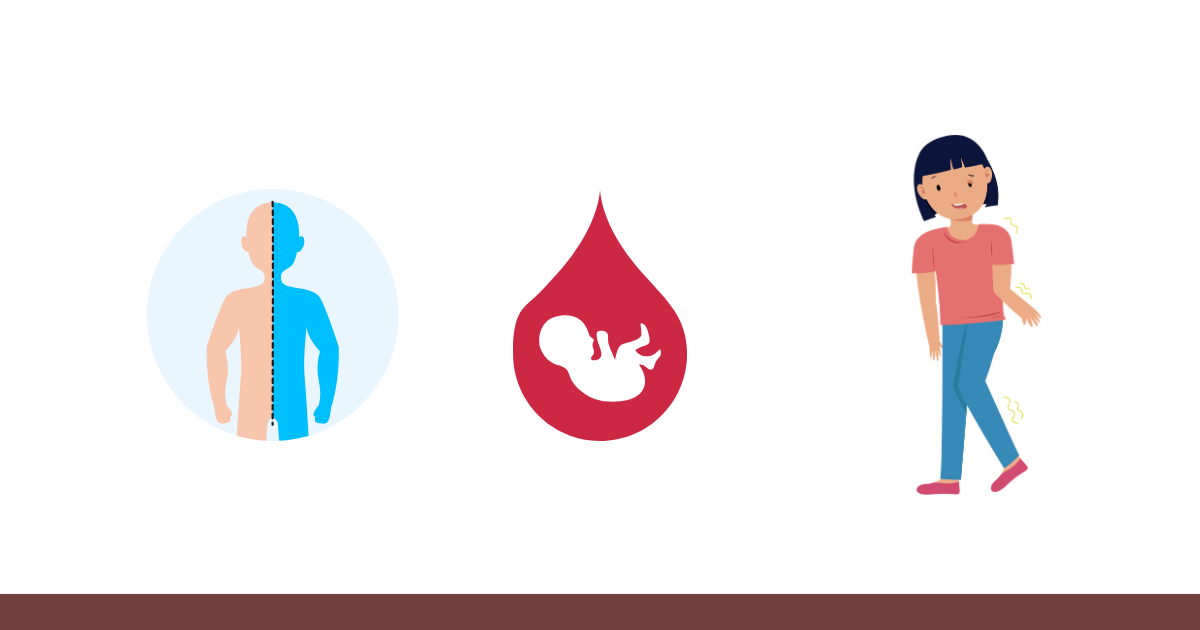
Cramping and abdominal discomfort can occur after both medication and in-clinic abortions. But if the pain is concentrated mainly on one side of your lower abdomen or pelvis, it is reasonable to wonder whether something more serious could be happening.
One-sided pain after abortion does not automatically mean there is a complication. However, persistent, worsening, or severe pain on one side—particularly when combined with shoulder-tip pain, dizziness, fainting, unusual bleeding, or feeling very unwell—should be medically assessed.
One important condition healthcare professionals consider is an ectopic pregnancy, which occurs when a pregnancy develops outside the uterus, most commonly in a fallopian tube.
If you have sudden severe abdominal or pelvic pain, shoulder pain, weakness, significant dizziness, or fainting, seek emergency medical care rather than waiting for the symptoms to pass.
Is One-Sided Pain Normal After an Abortion?
Some abdominal and pelvic cramping is expected after an abortion.
The uterus contracts as it empties and returns toward its pre-pregnancy size, so period-like cramping can occur for several days. Vaginal bleeding can also continue for a period of time after either medical or surgical abortion. NHS guidance identifies abdominal cramps or pain for a few days as a common part of recovery.
Pain that is mild, improving, and responsive to the pain relief recommended by your healthcare provider may therefore be part of normal recovery.
However, pain that is strongly concentrated on one side deserves additional attention, especially when it:
- Becomes progressively stronger
- Is sharp or severe
- Does not improve with recommended pain relief
- Persists instead of gradually getting better
- Appears with dizziness or fainting
- Occurs with shoulder-tip pain
- Occurs with unusual or concerning bleeding
- Makes you feel seriously unwell
The pattern of symptoms matters more than whether the pain happens to be on the left or right.
Why Can One-Sided Pain After Abortion Be Concerning?
There are several possible explanations for pelvic or abdominal pain following abortion, ranging from expected uterine cramping to conditions that require treatment.
The most important reason not to ignore significant one-sided pain is the possibility of an ectopic pregnancy.
Other causes of persistent or worsening pain may include retained pregnancy tissue, infection, gastrointestinal or urinary problems, or another unrelated pelvic condition.
Symptoms alone cannot reliably identify the cause, so significant or unusual pain should be evaluated by a healthcare professional rather than self-diagnosed.
Could One-Sided Pain Mean an Ectopic Pregnancy?
Yes, one-sided lower abdominal or pelvic pain can be a symptom of ectopic pregnancy.
An ectopic pregnancy occurs when the pregnancy implants outside the uterus, most commonly inside a fallopian tube.
ACOG identifies mild cramping on one side of the pelvis among possible early ectopic-pregnancy symptoms. As an ectopic pregnancy progresses, more serious symptoms can include sudden severe abdominal or pelvic pain, shoulder pain, weakness, dizziness, or fainting.
The NHS similarly describes ectopic pain as typically occurring low down on one side. It may start suddenly or gradually and can be persistent or come and go.
Importantly, one-sided pain alone does not prove that an ectopic pregnancy is present. Many other conditions can cause abdominal pain. But it is a symptom worth discussing with your healthcare provider when ectopic pregnancy has not already been ruled out.
Can You Still Have an Ectopic Pregnancy After Taking Abortion Pills?
An ectopic pregnancy requires different medical management from an intrauterine pregnancy.
The medications ordinarily used for medication abortion are intended to end a pregnancy located within the uterus; they do not provide standard treatment for an ectopic pregnancy.
WHO’s clinical abortion-care handbook states that ectopic pregnancy should be considered when symptoms such as abdominal pain, pre-abortion spotting or bleeding, minimal bleeding after completing a medical-abortion regimen, or hemodynamic instability are present. WHO recommends immediate evaluation when ectopic pregnancy is suspected.
That is why persistent one-sided pain should not simply be assumed to mean that the abortion medication is “still working.”
If your healthcare provider has already confirmed an intrauterine pregnancy before the abortion, the likelihood of an unrecognized ectopic pregnancy is different. Your provider can interpret your individual situation.
What Does Ectopic Pregnancy Pain Feel Like?
There is no single sensation that identifies an ectopic pregnancy.
Possible pain patterns include:
Pain Low on One Side
Pain may occur mainly in the lower left or lower right side of the abdomen or pelvis.
It may develop gradually or appear suddenly.
Persistent or Worsening Pain
Pain that keeps becoming stronger or does not improve deserves medical attention.
Sudden Severe Pain
Sudden, sharp, intense abdominal or pelvic pain can be an emergency symptom, particularly if accompanied by weakness, dizziness, fainting, or shoulder pain.
Shoulder-Tip Pain
Shoulder-tip pain is particularly important.
The NHS describes this as unusual pain where the shoulder ends and the arm begins. It may occur when internal bleeding irritates the diaphragm and can be a warning sign of ectopic pregnancy.
Shoulder-tip pain associated with abdominal symptoms should not be dismissed as ordinary muscle soreness without considering the full clinical picture.
Is Right-Sided Pain More Serious Than Left-Sided Pain?
No.
An ectopic pregnancy or another pelvic problem can potentially cause pain on either side.
What matters more is:
- How severe the pain is
- Whether it is getting worse
- How long it lasts
- Whether it is accompanied by bleeding
- Whether you have shoulder-tip pain
- Whether you feel dizzy, weak, or faint
- Whether you have fever or unusual discharge
Do not rely on the side of the pain alone to decide whether medical evaluation is necessary.
Could It Just Be Normal Cramping?
Possibly.
Cramping after an abortion is common and may sometimes feel stronger in one area than another.
A reassuring pattern is generally discomfort that gradually improves rather than worsening over time.
NHS abortion-recovery guidance states that abdominal cramps or pain can occur for a few days after an abortion. It recommends seeking medical advice if pain or bleeding does not improve within a few days.
The important distinction is not simply “cramping versus no cramping.” It is whether the pain is behaving as expected during recovery.
If the pain becomes increasingly localized, sharp, severe, persistent, or different from your usual cramps, contact your healthcare provider.
Can Retained Pregnancy Tissue Cause Pain?
Sometimes pregnancy tissue can remain in the uterus after an abortion.
The NHS lists retained pregnancy tissue as one possible abortion complication.
Possible symptoms can include persistent or worsening bleeding and abdominal or pelvic pain.
This does not necessarily cause distinctly one-sided pain, so symptoms alone cannot distinguish retained tissue from other causes.
If pain or bleeding is not improving as expected, your healthcare provider may recommend further evaluation.
Can Infection Cause Pain After an Abortion?
Infection is another condition clinicians consider when pain is persistent or worsening.
Possible warning signs include:
- Increasing abdominal or pelvic pain
- Fever
- Flu-like symptoms
- Feeling generally unwell
- Unusual or foul-smelling vaginal discharge
- Bleeding or pain that is not improving
The NHS advises seeking urgent medical guidance following an abortion when signs of infection occur, including fever, flu-like symptoms, or unusual vaginal discharge.
Pain caused by infection does not necessarily remain confined to one side.
If you have one-sided pain along with fever or abnormal discharge, contact a healthcare professional promptly.
What If the Pain Happens With Bleeding?
Some bleeding is expected after an abortion, so the presence of bleeding does not by itself show that something is wrong.
What matters is the combination of symptoms.
One-sided pain together with unusual bleeding can occur with ectopic pregnancy. ACOG recommends reporting abnormal bleeding and pelvic pain to a healthcare professional.
Seek urgent care for severe pain combined with heavy bleeding, significant weakness, dizziness, fainting, or other serious symptoms.
If you are monitoring bleeding during recovery, pads can make it easier to estimate the amount of blood you are losing. NHS abortion-recovery guidance also recommends pads for this reason.
What If You Have One-Sided Pain but Very Little Bleeding?
Do not assume that minimal bleeding means serious complications are impossible.
WHO specifically lists abdominal pain together with minimal or no bleeding after completing a medical-abortion regimen among findings that can raise concern for ectopic pregnancy.
If you have significant one-sided pain and very little bleeding after abortion pills, contact your abortion provider for guidance.
Your provider may need additional information to determine whether evaluation is appropriate.
When Is One-Sided Pain After Abortion an Emergency?
Seek emergency medical care if one-sided or abdominal pain occurs with symptoms such as:
- Sudden, severe abdominal or pelvic pain
- Shoulder-tip pain
- Fainting or loss of consciousness
- Severe dizziness
- Significant weakness
- Heavy bleeding
- Collapse or feeling dangerously unwell
ACOG states that a ruptured ectopic pregnancy can cause life-threatening internal bleeding and advises emergency care for sudden severe pain, shoulder pain, or weakness.
The NHS likewise identifies sharp, sudden, intense abdominal pain with severe dizziness or fainting as possible signs of rupture requiring immediate emergency treatment.
If these symptoms are occurring, do not wait for a routine appointment.
When Should You Contact Your Abortion Provider?
Contact your healthcare provider promptly if:
- One-sided pain is worsening
- Pain persists rather than improving
- Recommended pain relief is not helping
- You have unusual vaginal discharge
- You develop fever or flu-like symptoms
- Bleeding is becoming more concerning
- You continue to feel pregnant
- You had little or no bleeding after abortion medication and are experiencing significant pain
- You are uncertain whether your symptoms are normal
You do not need to diagnose the cause yourself before contacting your provider.
Describing where the pain is, when it started, how severe it is, whether it is getting worse, and what other symptoms you have can help the clinician determine what to do next.
How Is Persistent One-Sided Pain Evaluated?
Evaluation depends on your symptoms and medical history.
When ectopic pregnancy is suspected, clinicians may use:
- A review of your symptoms and pregnancy history
- Physical examination when appropriate
- Ultrasound
- Blood testing for the pregnancy hormone hCG
- Additional testing depending on the suspected cause
ACOG notes that ultrasound and hCG blood testing are among the methods clinicians use when evaluating a possible ectopic pregnancy.
The exact evaluation will depend on your situation.
Do Not Rely Only on a Pregnancy Test
Pregnancy tests can remain positive for some time after an abortion because pregnancy hormone levels do not disappear immediately.
For this reason, a home pregnancy test alone cannot determine the cause of sudden one-sided pain.
Follow the pregnancy-testing schedule provided by your abortion provider, but seek medical advice sooner if you develop significant or concerning symptoms.
For additional information, Serenity Choice Health explains more about when to take a pregnancy test after abortion pills and how to know if the abortion pill worked.
Monitor the Pattern of Your Pain
If your pain is mild and your healthcare provider has not advised immediate evaluation, pay attention to how it changes.
Useful details include:
- Exact location
- Whether it is constant or comes and goes
- Whether it is improving or worsening
- Pain severity
- Whether pain medication helps
- Amount of vaginal bleeding
- Presence of fever
- Dizziness or weakness
- Shoulder-tip pain
- Unusual vaginal discharge
This information can be useful when speaking with your healthcare provider.
You can also review Serenity Choice Health’s information about severe cramping after abortion pills for more context about cramping during recovery.
The Bottom Line
One-sided pain after abortion is not automatically a sign of a serious complication, and some cramping can be part of normal recovery.
However, localized pain deserves attention when it is persistent, progressively worsening, unusually sharp, or severe.
One condition healthcare professionals need to consider is ectopic pregnancy, especially if the pregnancy location was never confirmed. Significant one-sided pain combined with shoulder-tip pain, dizziness, fainting, weakness, or unusual bleeding requires prompt assessment.
Sudden severe abdominal pain, shoulder pain, fainting, or signs of significant internal bleeding should be treated as an emergency.
If your symptoms are less severe but are not improving as expected, contact your abortion provider rather than waiting for them to become worse.
Serenity Choice Health provides abortion care and women’s healthcare support, including guidance before, during, and after abortion. If you have concerns about pain, bleeding, or your recovery, contact Serenity Choice Health for individualized clinical guidance.

Dr. James Carter is a board-certified physician and lead clinician at Serenity Choice Health, specializing in reproductive health access and medication abortion protocols. With over 20+ years of experience, he combines clinical expertise with patient-centered care to ensure safe, compassionate, and confidential reproductive healthcare.