
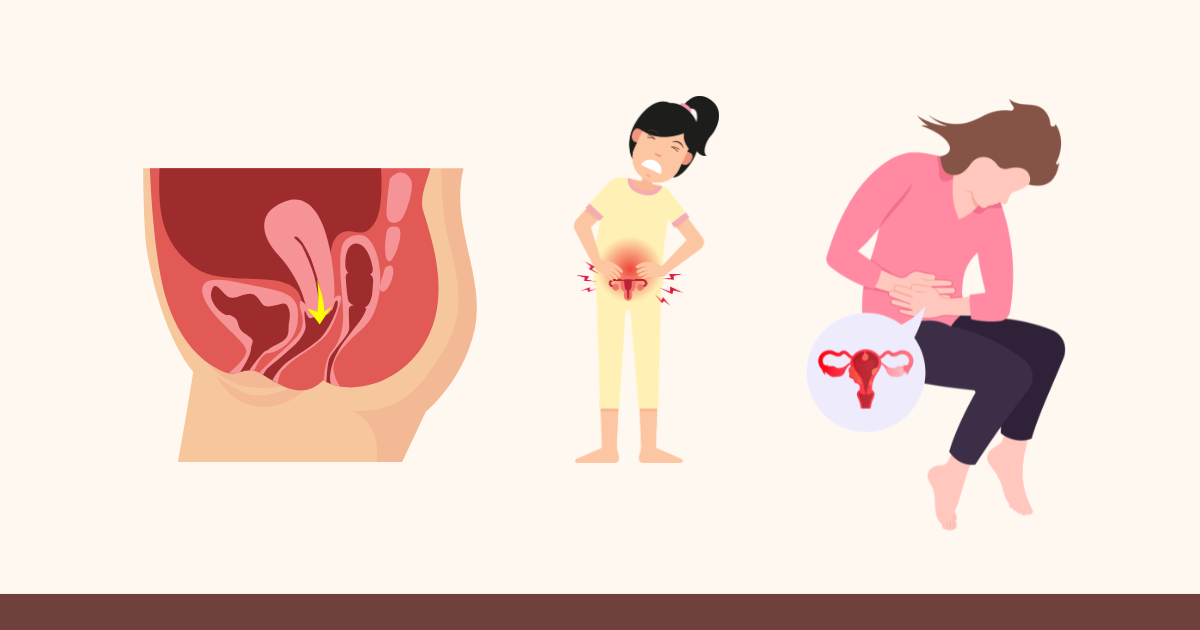
Pelvic and rectal pain after abortion can be uncomfortable and understandably concerning. Some people notice lower abdominal cramps, pelvic pressure, discomfort around the rectum, or pain when having a bowel movement during recovery.
Some of these symptoms can occur because the uterus continues to contract after an abortion. Digestive changes, constipation, gas, diarrhea, and straining can also make discomfort around the pelvis or rectal area more noticeable. After a medication abortion, medicines such as misoprostol can cause cramping and gastrointestinal symptoms, including diarrhea, nausea, and vomiting.
However, not every type of pain should be considered a normal part of recovery. Severe, worsening, or persistent pain—particularly when accompanied by heavy bleeding, fever, fainting, or unusual discharge—should be evaluated by a healthcare professional.
What Does Pelvic or Rectal Pain After Abortion Feel Like?
The location and intensity of discomfort can vary.
You may notice:
- Lower abdominal cramping
- Aching or pressure in the pelvis
- Rectal pressure
- Discomfort when sitting
- Pain while having a bowel movement
- Increased discomfort when straining
- Gas-related abdominal pressure
- Soreness after repeated bowel movements
The sensation may be mild and temporary, or it may be more noticeable during the first part of recovery.
After a medication abortion, cramping and bleeding are expected as the uterus contracts and empties. Cramping generally becomes lighter after the pregnancy tissue passes and should continue improving over time.
What Causes Pelvic Pain After an Abortion?
Several factors can contribute to pelvic discomfort.
Uterine cramping
One of the most common reasons for pelvic pain after an abortion is uterine cramping.
During a medication abortion, misoprostol causes the uterus to contract, which helps the pregnancy tissue pass through the vagina. Strong cramping is expected during this part of the process.
Cramping can continue intermittently after the main part of the abortion. For many people, the discomfort becomes less intense as the hours and days pass.
For more information about managing discomfort, see our guide to abortion pain management.
Normal post-abortion recovery
Some pelvic soreness or cramping can continue for a few days after an abortion.
The important factor is the direction of the symptoms. Pain that gradually improves is generally less concerning than pain that becomes stronger, persistent, or difficult to control.
The NHS notes that abdominal cramps or pain can occur for several days after an abortion, while pain that does not improve within a few days should be medically assessed.
You can also learn more about recovery after an abortion week by week.
Why Can Rectal Pain Happen After an Abortion?
Rectal pain after abortion may have several possible causes, and it is not necessarily caused directly by the uterus.
Bowel movements and pelvic pressure
The rectum and reproductive organs are located close together within the pelvis. When the uterus is cramping or the pelvic area is sensitive, sitting on the toilet or passing stool may make the discomfort more noticeable.
You may feel:
- Pressure in the rectal area
- An aching sensation while passing stool
- Increased pelvic cramping during a bowel movement
- Temporary discomfort after using the bathroom
This does not necessarily mean that having a bowel movement is interfering with the abortion or recovery.
Constipation and straining
Constipation can also contribute to anal or rectal discomfort.
If stool is hard or difficult to pass, pushing or straining can increase pressure in the pelvic and rectal area. Changes in eating habits, fluid intake, activity, and digestion can contribute to constipation during recovery.
Our related guide on constipation and anal pain after abortion pills covers this connection in more detail.
Gas and digestive changes
Gas and bloating can create pressure in the lower abdomen and pelvis. This may feel particularly uncomfortable when you are already experiencing uterine cramps.
The digestive symptoms may be temporary and can occur alongside other recovery symptoms.
Can Misoprostol Cause Rectal or Bowel Discomfort?
Misoprostol can affect the digestive system as well as the uterus.
Common gastrointestinal effects include diarrhea, nausea, and sometimes vomiting. These effects are generally temporary.
If diarrhea causes you to use the bathroom repeatedly, the surrounding abdominal and anal area may become sore or irritated.
You can learn more about this side effect in our guide to diarrhea after misoprostol.
If vomiting occurs, our related resource on vomiting after misoprostol may also be helpful.
Is Pelvic and Rectal Pain Normal After Abortion?
Mild or moderate cramping and temporary pelvic discomfort can occur during abortion recovery.
That does not mean every type of pelvic or rectal pain should automatically be considered normal.
A useful way to think about your symptoms is to consider:
- How severe is the pain?
- Is it improving or getting worse?
- Does recommended pain relief help?
- Are you experiencing fever?
- Are you having unusually heavy bleeding?
- Do you have unusual or foul-smelling vaginal discharge?
- Are you feeling faint, very weak, or seriously unwell?
After an abortion, pain and bleeding should generally become lighter with time. If symptoms are not improving or are getting worse, medical advice is appropriate.
What Can Help With Mild Pelvic or Rectal Discomfort?
If your symptoms are mild and you have not been given different instructions by your healthcare provider, simple comfort measures may help.
Stay hydrated
Drink fluids regularly, especially if you have experienced diarrhea or have been drinking less than usual.
Adequate fluid intake can also help support regular bowel movements if constipation is contributing to discomfort.
Avoid straining during bowel movements
Do not force yourself to pass stool.
Straining can increase pressure around the rectum and pelvis and may make existing discomfort feel worse.
Use gentle heat for abdominal cramps
A heating pad or hot water bottle on the abdomen may provide comfort from cramping. Heat is commonly suggested as a way to help manage post-abortion cramps.
Follow your provider’s instructions
If your abortion provider gave you specific after-care or pain-management instructions, follow those instructions.
Do not change prescribed medicines or doses without discussing them with your healthcare professional.
How Long Should Pelvic or Rectal Pain Last After Abortion?
Recovery varies from person to person.
With medication abortion, the strongest cramping generally occurs during the main part of the abortion. Cramping can continue on and off for another day or two, while milder discomfort may continue for several days.
The overall trend should generally be toward improvement.
If pelvic or rectal pain continues without improvement, becomes increasingly intense, or is accompanied by other concerning symptoms, contact your healthcare provider.
Pelvic and Rectal Pain After Surgical Abortion
Some pelvic cramping and bleeding can also occur after an in-clinic abortion.
Most people recover quickly, but ongoing or severe pain should not be ignored. Planned Parenthood advises contacting a healthcare provider when abdominal pain or cramps do not improve with recommended pain medication.
For more information about the recovery process, see what happens during an in-clinic abortion.
Warning Signs After an Abortion
Certain symptoms require prompt medical attention.
Severe or worsening pain
Severe pelvic, abdominal, or rectal pain is not something to ignore, particularly if it is getting worse or does not respond to the recommended pain relief.
The NHS advises urgent assessment for severe or worsening pelvic pain, especially when it occurs with other concerning symptoms.
Fever or feeling feverish
Fever after the expected medication-related period can be a warning sign of infection.
Contact your healthcare provider if you develop a fever or continue feeling feverish after the expected recovery period.
You can also read our detailed guide on fever after abortion pills and when to call a doctor.
Heavy vaginal bleeding
Heavy bleeding requires prompt medical attention.
The NHS identifies heavy bleeding as a possible complication requiring urgent care, while Planned Parenthood advises contacting a provider for bleeding that reaches its emergency threshold.
See our related guide to bleeding after abortion pills for more information.
Foul-smelling vaginal discharge
Unusual or foul-smelling discharge can be a sign of infection and should be evaluated by a healthcare professional, particularly when it occurs alongside pelvic pain or fever.
Fainting, severe weakness, or dizziness
Feeling faint, passing out, or experiencing significant weakness or dizziness alongside pelvic pain can require urgent evaluation.
Persistent vomiting or diarrhea
Gastrointestinal side effects can occur after misoprostol, but persistent vomiting or diarrhea should be discussed with a healthcare provider, particularly when accompanied by other concerning symptoms.
When Should You Contact Your Abortion Provider?
Contact your abortion provider if:
- Your pelvic or rectal pain is not improving
- The pain is becoming more severe
- Recommended pain relief is not helping
- You develop a fever
- You have unusually heavy bleeding
- You develop unusual or foul-smelling discharge
- You feel faint or seriously unwell
- You have persistent vomiting or diarrhea
- You are worried that your recovery is not progressing as expected
Your provider can review your symptoms and determine whether you need an examination, additional testing, or another type of care.
What If the Pain Is Mainly When You Poop?
Pain that occurs mainly during bowel movements may be related to constipation, hard stool, gas, straining, or irritation around the anal area.
However, pelvic cramping can also become more noticeable while sitting on the toilet or passing stool.
If the pain is severe, persistent, associated with blood in the stool, or accompanied by other concerning symptoms, seek medical advice rather than assuming it is simply part of abortion recovery.
For a more specific discussion of bowel-related symptoms, see constipation and anal pain after abortion pills.
When to Get Personalized Care
Every person’s recovery can be different. The intensity and duration of pelvic discomfort may depend on the type of abortion, the medicines used, individual sensitivity, and other health factors.
If you are experiencing pelvic and rectal pain after abortion and are unsure whether your symptoms are expected, speaking with a qualified healthcare professional can help clarify what is happening.
Serenity Choice Health provides abortion-related healthcare and can help patients understand symptoms and recovery concerns. If you believe you are experiencing an emergency, seek urgent medical care rather than waiting for a routine appointment.
Conclusion
Pelvic and rectal pain after abortion can have several possible causes. Uterine cramping, constipation, gas, diarrhea, bowel movements, and pelvic sensitivity can all contribute to discomfort during recovery.
Mild symptoms that gradually improve are generally less concerning than pain that becomes severe, persistent, or increasingly intense.
Pay particular attention to warning signs such as severe or worsening pain, heavy bleeding, fever, foul-smelling discharge, fainting, or feeling seriously unwell.
If you are worried about your symptoms or they are not improving as expected, contact your abortion provider for personalized medical guidance.
Frequently Asked Questions
Is pelvic pain normal after an abortion?
Some pelvic cramping and discomfort can occur during abortion recovery. The discomfort should generally become less intense as recovery progresses. Severe, persistent, or worsening pain should be evaluated by a healthcare professional.
Why does my rectum hurt after an abortion?
Rectal discomfort may be related to pelvic cramping, constipation, gas, diarrhea, or straining during bowel movements. Because the reproductive organs and rectum are located close together in the pelvis, uterine cramping may also make pressure around the rectal area more noticeable.
Why does it hurt to poop after an abortion?
Pain during a bowel movement can occur because of constipation, hard stool, gas, straining, or pelvic sensitivity. If the pain is severe, persistent, or accompanied by other concerning symptoms, contact a healthcare provider.
Can misoprostol cause bowel problems?
Yes. Misoprostol can cause gastrointestinal effects such as diarrhea, nausea, and sometimes vomiting. These effects are usually temporary.
How long should pelvic pain last after an abortion?
Cramping is commonly strongest during the main part of a medication abortion and may continue intermittently for another day or two. Some milder discomfort can continue for several days. Symptoms should generally improve rather than become progressively worse.
When should I worry about pelvic or rectal pain after an abortion?
Seek medical advice for severe or worsening pain, pain that does not improve with recommended pain relief, heavy bleeding, fever, unusual discharge, fainting, or other symptoms that make you feel seriously unwell.

Dr. James Carter is a board-certified physician and lead clinician at Serenity Choice Health, specializing in reproductive health access and medication abortion protocols. With over 20+ years of experience, he combines clinical expertise with patient-centered care to ensure safe, compassionate, and confidential reproductive healthcare.