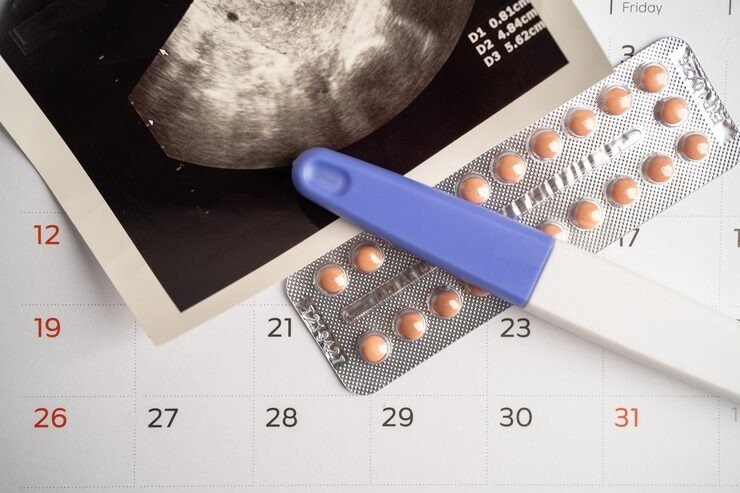

The current clinical evidence does not support body weight as a significant factor in abortion pill effectiveness for the large majority of people. The standard mifepristone and misoprostol regimen maintains high effectiveness across a wide range of body weights and BMI categories. Some earlier research raised questions about this, but more recent and larger studies have not found a clinically meaningful difference in outcomes based on weight alone.
Where the Concern About Weight and Abortion Pills Came From
The question of whether body weight affects abortion pill effectiveness originally emerged from research into emergency contraception, where higher body weight was found to reduce the effectiveness of levonorgestrel-based morning after pills. That finding led some people to assume a similar relationship might exist with medication abortion, but the two medications work through entirely different mechanisms and the concern does not transfer directly.
Mifepristone works by blocking progesterone receptors rather than by achieving a specific blood concentration relative to body mass. This receptor-based mechanism is less susceptible to weight-related pharmacokinetic variation than concentration-dependent medications. Understanding how the abortion pill works at a biochemical level helps clarify why the weight concern that applies to some contraceptives does not apply in the same way to the medication abortion regimen.
Table of Contents
ToggleWhat the Research Actually Shows
Studies examining abortion pill outcomes across BMI categories have generally found that effectiveness remains high regardless of body weight when the standard regimen is followed correctly and within the recommended gestational window. The abortion pill effectiveness chart reflects outcomes based primarily on gestational age rather than body weight, which is the more clinically significant variable in predicting whether the process will complete successfully.
Some older and smaller studies suggested a modest reduction in effectiveness at higher BMI levels, but larger and more methodologically rigorous research has not replicated those findings in a way that has changed clinical dosing recommendations. The standard 200 mg mifepristone dose combined with 800 mcg misoprostol remains the recommended regimen regardless of body weight or BMI category.
What Actually Determines Abortion Pill Effectiveness
While body weight has not been shown to significantly affect outcomes, several other factors have a much more direct and documented relationship with whether the abortion pill works completely.
Gestational age is the most important variable. The earlier in the pregnancy the medication is taken, the higher the effectiveness rate. Understanding how many weeks pregnant you can have an abortion pill and how that window affects the likelihood of complete expulsion is more clinically relevant than body weight in predicting outcomes.
Correct administration of the medication protocol matters considerably. Taking misoprostol at the right time after mifepristone, using the correct route of administration, and following the full dosing protocol all have a direct impact on effectiveness in ways that body weight does not. Knowing how long you should wait between mifepristone and misoprostol and following that interval precisely is one of the most controllable factors in the process.
Vomiting shortly after taking the medication can reduce the effective dose absorbed, which has a more meaningful impact on outcomes than body weight. Understanding what happens if you vomit after taking the abortion pill and when to contact your provider in that situation is practical preparation that directly protects the effectiveness of the regimen.
Does BMI Affect How the Body Processes Abortion Pills
Body weight can influence how medications are distributed and metabolized in the body in a general pharmacological sense, but mifepristone and misoprostol have pharmacological profiles that make them less sensitive to this effect than many other medications.
Mifepristone has a long half-life and works through receptor binding rather than requiring sustained high plasma concentrations. Misoprostol works locally on uterine tissue and acts quickly after absorption. Neither medication requires weight-based dose adjustment in current clinical guidelines, which reflects the evidence that standard dosing is effective across the weight range seen in clinical practice.
Understanding what makes misoprostol fail points to factors like incorrect administration, timing errors, and gestational age rather than pharmacokinetic variables related to body size as the primary drivers of incomplete or failed outcomes.
What Higher BMI Can Affect During the Process
While body weight does not meaningfully reduce abortion pill effectiveness, higher BMI can influence other aspects of the medication abortion experience that are worth knowing about in advance.
People with higher BMI may experience somewhat different cramping patterns or bleeding characteristics during the process, though this varies considerably between individuals and is not a reliable predictor of outcome. The overall arc of what to expect from medication abortion in terms of bleeding, cramping, and recovery timeline remains broadly similar regardless of body weight.
Higher BMI is also associated with a higher likelihood of conditions such as uterine fibroids or irregular uterine anatomy that can affect how completely the uterus empties, though these are separate from body weight itself as a variable. Having clinical oversight throughout the process is the most practical way to identify and respond to any individual factors that might affect your specific experience.
How to Know if the Abortion Pill Worked Regardless of Body Weight
The markers of successful medication abortion are the same regardless of body weight. Heavy bleeding with clots and significant cramping in the hours following misoprostol, followed by gradually lightening bleeding over the following days, indicates the process is progressing as expected. Understanding what are the signs that the abortion pill has worked gives you a concrete reference point for monitoring your own recovery.
Pregnancy symptoms such as nausea, breast tenderness, and fatigue should resolve within one to two weeks of completing the medication. If those symptoms persist, or if bleeding was significantly lighter than expected, knowing how to know if the abortion pill worked and when to seek follow-up evaluation is important regardless of any weight-related concerns you may have going into the process.
When to Contact Your Provider
Reach out to your clinical team if you notice any of the following after taking abortion pills regardless of your body weight or BMI.
Pregnancy symptoms including nausea, breast tenderness, or fatigue persisting beyond two weeks after completing the medication. Bleeding that was significantly lighter than expected or resolved very quickly without passing clots or tissue. Cramping that is increasing rather than gradually resolving in the days following the active phase. Fever or foul-smelling discharge which can indicate infection. Any concern that the process did not complete based on your symptoms and experience.
If you have questions about how your individual health factors might affect the medication abortion process or want clinical guidance from start to finish, book a confidential consultation at Serenity Choice Health today.

Dr. James Carter is a board-certified physician and lead clinician at Serenity Choice Health, specializing in reproductive health access and medication abortion protocols. With over 20+ years of experience, he combines clinical expertise with patient-centered care to ensure safe, compassionate, and confidential reproductive healthcare.