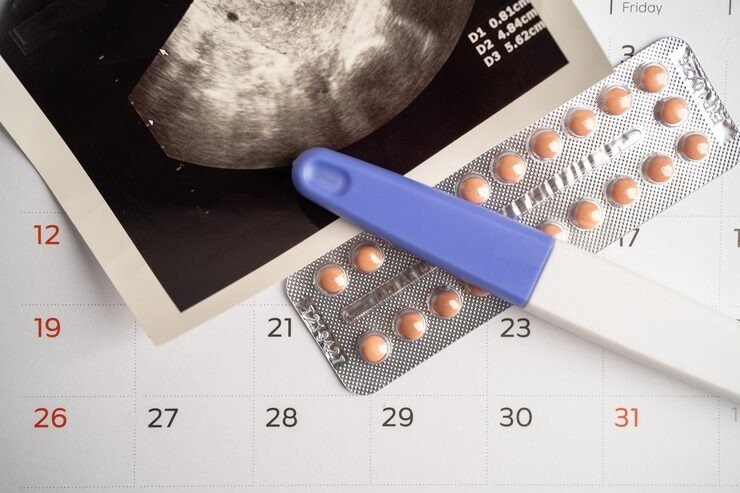

The medication abortion pill process is highly effective, but there are specific clinical reasons why a failed abortion or an incomplete abortion might occur. Understanding the reasons for misoprostol failure helps you prepare correctly and know when to seek medical guidance.
1. Most Common Reasons Misoprostol Fails
-
Incorrect Administration Technique: This is the most preventable cause. How to take misoprostol by mouth requires letting the tablets dissolve (buccal or sublingual) for 30 minutes. Swallowing them immediately reduces bioavailability to about 20–25%. Similarly, if vaginal misoprostol pills fall out before the 30-minute absorption window, the effective dose is significantly reduced.
-
Advancing Gestational Age: The misoprostol failure rate increases as a pregnancy progresses. While the combination of mifepristone and misoprostol is 95–98% effective before 7 weeks, success rates can drop slightly as you approach the 10-week limit.
-
Misoprostol-Only Regimen: Using misoprostol without mifepristone has a higher failure rate (approximately 80–85%) because it lacks the cervical priming and uterine lining destabilization provided by the first pill.
-
Ectopic Pregnancy: This is a critical reason why misoprostol would not work. The pills cannot treat a pregnancy located outside the uterus. If you have no bleeding and experience sharp, one-sided pain, seek emergency care immediately.
2. How to Know if Misoprostol Failed
Recognizing abortion pill failure symptoms early ensures you get the necessary follow-up care.
-
No Bleeding: If you are not bleeding after taking misoprostol within 24 hours, the medication may not have triggered the necessary contractions.
-
Light Bleeding Only: If you only experience spotting when a heavier flow was expected for your gestational age, the process may be incomplete.
-
Persistent Symptoms: If nausea and breast tenderness remain strong beyond 2 weeks, it may be a sign of a failed abortion where the pregnancy is still developing.
-
Positive Test: A strongly positive pregnancy test 4 weeks after the procedure suggests the process was not successful.
3. What to Do When Misoprostol Fails
If you suspect the abortion pill is not working, it is a clinical situation with clear solutions:
-
Second Dose: In some cases of incomplete abortion, a 2nd dose of misoprostol may be used to help the uterus finish expelling tissue.
-
Vacuum Aspiration: This is a simple, definitive procedure to evacuate the uterus if medication fails.
-
Clinical Monitoring: A provider may use hCG blood tests or ultrasound to confirm if the process is completing safely.
Support at Serenity Choice Health
We provide the clinical oversight to ensure your physical recovery is successful and safe.
-
Expert Guidance: Through telehealth abortion in Illinois, we help you troubleshoot why misoprostol is not working and determine the next steps for your care.
-
Technique Support: We provide exact instructions on how to take misoprostol to maximize abortion pill effectiveness.
-
24/7 Monitoring: If you are concerned that the abortion pill process has failed, our medical team is available to review your symptoms and recovery.
Are you experiencing any bleeding or cramping yet, or has it been more than 24 hours since your last dose with no response? Contact our medical team or book a confidential appointment to ensure the process is handled safely.

Dr. James Carter is a board-certified physician and lead clinician at Serenity Choice Health, specializing in reproductive health access and medication abortion protocols. With over 20+ years of experience, he combines clinical expertise with patient-centered care to ensure safe, compassionate, and confidential reproductive healthcare.