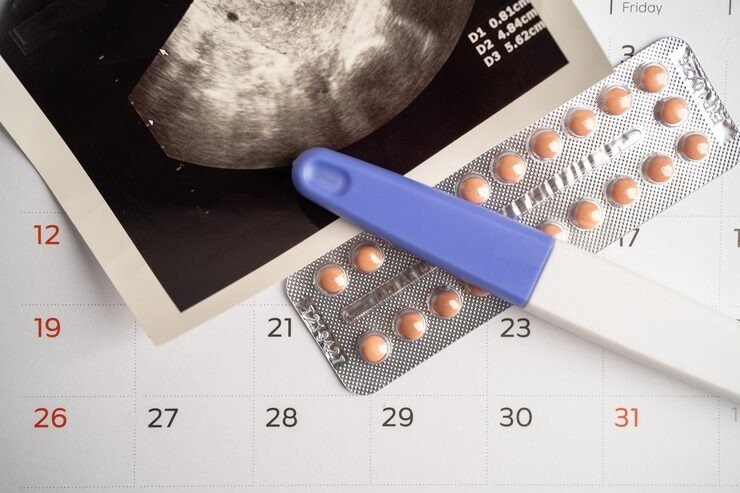

You can drink small amounts of caffeine during the abortion pill process, but high caffeine intake during medication abortion recovery is not recommended. Caffeine affects hydration, nausea, cramping intensity, and sleep in ways that can make an already physically demanding process significantly harder to manage.
How Caffeine Affects the Abortion Pill Process
The abortion pill process puts real physical stress on the body. Caffeine introduces a stimulant effect that works against several of the conditions your body needs most during recovery.
- Caffeine is a diuretic that increases fluid loss through urination at a time when dehydration during the abortion pill process is already a genuine risk due to bleeding, sweating, and vomiting.
- Caffeine stimulates uterine muscle activity, which can intensify cramping during the peak phase of misoprostol side effects.
- Caffeine increases cortisol and adrenaline levels, raising physical stress responses at a time when the body benefits most from calm and rest.
- High caffeine intake worsens nausea, which is already one of the most commonly reported side effects during medication abortion.
Caffeine and Hydration During Recovery
Why Hydration Matters More Than Usual
Staying hydrated during abortion pill recovery is more important than it is during a normal period. Heavy bleeding after the abortion pill combined with nausea and sweating creates significant fluid loss that needs active replacement.
- Every cup of caffeinated coffee or strong tea consumed during the peak bleeding phase contributes to net fluid loss rather than fluid replacement.
- Dizziness after abortion pills is already a reported side effect, and dehydration caused by caffeine directly worsens lightheadedness during recovery.
- Water, electrolyte drinks, herbal teas, and clear broths are all better hydration choices during the active recovery phase than caffeinated beverages.
What to Drink Instead
- Plain water consumed consistently throughout the day is the most effective hydration strategy during abortion pill bleeding.
- Ginger tea without caffeine addresses nausea while contributing to hydration rather than working against it.
- Electrolyte drinks replace minerals lost through bleeding and sweating more effectively than caffeinated beverages during the peak phase.
Caffeine and Cramping Intensity
How Caffeine Makes Cramps Worse
Abortion pill cramps are already one of the most physically intense parts of the medication abortion process. Caffeine has a direct effect on uterine muscle tone that makes this worse.
- Caffeine stimulates smooth muscle contractions, including in the uterus, which increases cramping intensity during the phase when misoprostol is already causing strong uterine contractions.
- The anxiety and elevated heart rate produced by caffeine amplify the perception of pain during cramping, making abortion pill pain feel more severe than it would without caffeine in the system.
- Taking ibuprofen proactively before cramps begin is a far more effective strategy for abortion pill pain management than relying on caffeine for any energy boost during the process.
Caffeine and Nausea After Misoprostol
Nausea is among the most commonly reported side effects following misoprostol. Caffeine directly irritates the gastrointestinal lining and worsens this symptom in most people.
- Coffee on an empty or unsettled stomach during the misoprostol phase increases the likelihood of vomiting, which raises concerns about whether medication was fully absorbed. Read more about what happens if you vomit after taking the abortion pill.
- Caffeinated energy drinks are particularly problematic during recovery due to their combination of high caffeine content, artificial additives, and acidity, all of which aggravate nausea.
- If caffeine withdrawal headaches are a concern, a single small cup of weak tea or coffee is a more manageable approach than eliminating caffeine entirely and dealing with withdrawal symptoms on top of abortion pill side effects.
How Much Caffeine Is Acceptable During Recovery
A Practical Guideline
Complete caffeine elimination is not required during the abortion pill process, but significant reduction during the active recovery window makes a meaningful difference to comfort and safety.
- Limiting caffeine to one small weak cup of tea or coffee per day during the first 48 hours after misoprostol is a reasonable middle ground for people who experience withdrawal symptoms without caffeine.
- Strong coffee, multiple caffeinated drinks per day, and energy drinks should be avoided entirely during the peak bleeding and cramping phase.
- After the most intense phase of recovery has passed and bleeding after abortion pill has begun to slow, gradually returning to normal caffeine levels is generally fine.
What to Eat and Drink During the Abortion Pill Process
Managing what you consume during medication abortion goes beyond caffeine alone. Read the full guide on what to eat during the abortion pill process for complete nutritional guidance during recovery.
- Light, easy to digest foods eaten before misoprostol reduce nausea without triggering vomiting during the absorption window.
- Avoiding acidic, spicy, or heavy foods alongside caffeine reduction gives the digestive system the best conditions for managing misoprostol side effects comfortably.
- Keeping fluids, snacks, and a heating pad within arm’s reach as part of your recovery preparation reduces the need to get up repeatedly during the most intense part of the process.
Warning Signs to Watch For During Recovery
Understanding the warning signs after an abortion allows you to identify problems early when they are most straightforward to address.
- Fever above 100.4 degrees lasting more than 4 hours after initial misoprostol side effects have resolved requires same day clinical contact.
- Foul smelling discharge developing in the days after the procedure is the most consistent early indicator of uterine infection.
- Worsening rather than improving pelvic pain several days after medication abortion warrants provider evaluation that same day.
- Unusual discharge that is yellow or green combined with any of the above symptoms indicates possible infection. Know the full signs to go to the emergency room after taking the abortion pill.

Dr. James Carter is a board-certified physician and lead clinician at Serenity Choice Health, specializing in reproductive health access and medication abortion protocols. With over 20+ years of experience, he combines clinical expertise with patient-centered care to ensure safe, compassionate, and confidential reproductive healthcare.