
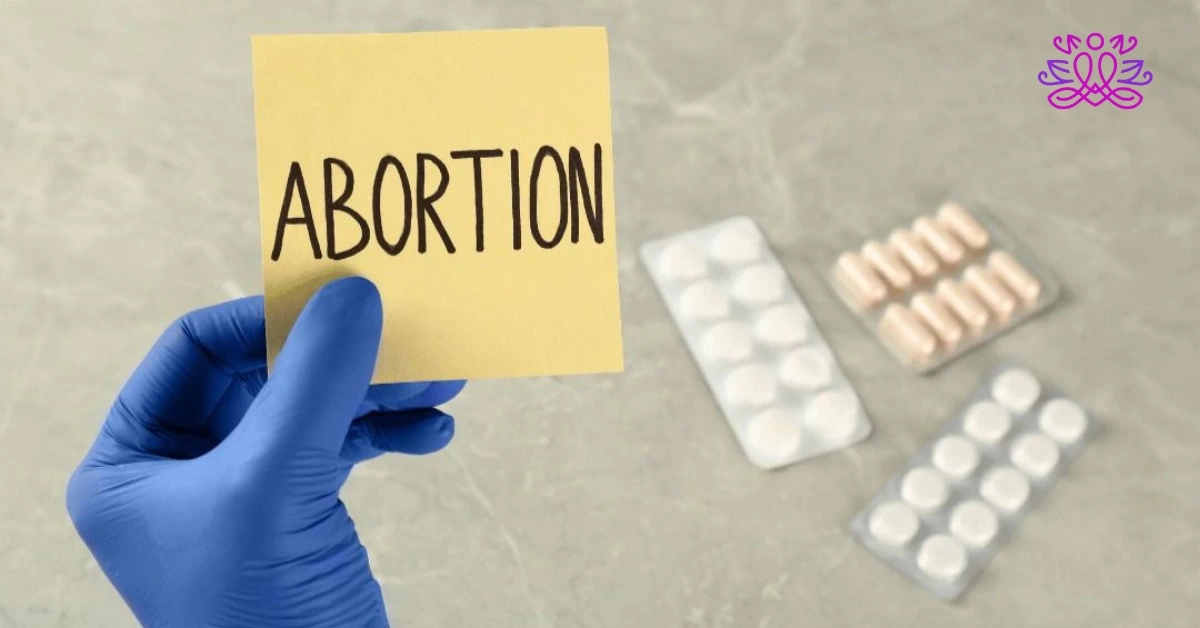
Medication abortion is a method of ending an early pregnancy with medication rather than an in-clinic procedure using medical instruments. It is commonly called the abortion pill, although the process usually involves two medicines: mifepristone and misoprostol.
People considering medication abortion often have practical questions about how the medications work, how much pain or bleeding to expect, whether the process is safe, and how to find legitimate care. Clear information is especially important because treatment requirements and provider availability can differ by location.
Medication abortion is considered a safe healthcare intervention when an appropriate regimen is used for the pregnancy duration, the medications come from a reliable source, and the patient has accurate instructions and access to medical support when needed.
What Is Medication Abortion?
Medication abortion, also known as medical abortion, uses medication to end an existing pregnancy.
In the United States, the FDA-approved regimen combines mifepristone and misoprostol for an intrauterine pregnancy through 70 days, or 10 weeks, measured from the first day of the last menstrual period.
Some evidence-based protocols address medication abortion at other pregnancy durations or use misoprostol alone. The appropriate regimen depends on pregnancy duration, medical history, available medications, clinical guidance, and applicable regulations.
Patients should follow the instructions supplied by their qualified healthcare professional rather than combining directions from different websites.
Readers who are still comparing their options may find this guide to abortion pills versus surgical abortion helpful.
Is Medication Abortion the Same as the Morning-After Pill?
No. Medication abortion ends a pregnancy that already exists.
Emergency contraception, including morning-after pills such as Plan B, is used to reduce the chance of pregnancy after unprotected sex. It does not end an established pregnancy.
How Does Medication Abortion Work?
The most common medication abortion process uses mifepristone followed by misoprostol.
Mifepristone
Mifepristone blocks the activity of progesterone, a hormone needed to support the continuation of pregnancy.
Some people experience light bleeding or mild symptoms after taking it, while others notice little or no immediate physical change.
Misoprostol
Misoprostol causes the uterus to contract and empty. This generally produces cramping and vaginal bleeding.
It may also cause:
- Nausea
- Diarrhea
- Chills
- Fatigue
- Headache
- Dizziness
- A temporary mild fever
The experience is often compared with an early miscarriage.
The timing, dose, route, and number of misoprostol doses may differ according to the prescribed protocol. A detailed guide to taking mifepristone and misoprostol together can provide additional context, but patients should always follow their own prescriber’s instructions.
Who May Be Eligible for Medication Abortion?
Eligibility is determined through a review of pregnancy timing, symptoms, health history, medications, and access to follow-up or emergency care.
A clinician may ask about:
- The first day of the last menstrual period
- Whether menstrual cycles are generally regular
- Pregnancy-test results
- Abdominal or pelvic pain
- Previous ectopic pregnancy
- An intrauterine device, or IUD
- Bleeding or clotting disorders
- Anemia
- Adrenal disease
- Long-term corticosteroid use
- Porphyria
- Medication allergies
- Prescription medicines and supplements
- Access to a medical facility in an emergency
People who are unsure about their estimated gestational age can review how pregnancy duration is calculated before speaking with a healthcare professional.
Mifepristone should not be used to treat an ectopic pregnancy. People with a suspected or confirmed ectopic pregnancy require a different medical evaluation and treatment plan.
Certain bleeding conditions, adrenal failure, porphyria, medication interactions, allergies, or an IUD that has not been removed may also affect eligibility.
Is an Ultrasound Always Necessary?
An ultrasound is not automatically required for every medication abortion.
A clinician may be able to estimate pregnancy duration and evaluate risk through menstrual history, symptoms, pregnancy testing, and other clinical information.
An ultrasound or additional testing may be recommended when:
- The date of the last menstrual period is uncertain
- Menstrual cycles are irregular
- Pregnancy duration may be beyond the provider’s treatment limit
- There is pelvic or one-sided abdominal pain
- Ectopic pregnancy is a concern
- The patient has an IUD
- The clinician needs more information before prescribing
Learn more about when patients may need an ultrasound or bloodwork before an abortion.
The FDA’s mifepristone program does not itself require an in-person appointment before prescribing. However, state rules, provider policies, and individual clinical circumstances may create additional requirements.
The Medication Abortion Process Step by Step
The exact process varies by provider and medical circumstances, but it generally includes the following stages.
1. Pregnancy and Health Assessment
A healthcare professional confirms or estimates how long the patient has been pregnant and evaluates whether medication abortion is medically appropriate.
The assessment may take place:
- At a clinic
- Through telehealth
- Through a combination of virtual care and local testing
The clinician should explain:
- How to take the medications
- Expected symptoms
- Possible complications
- Pain-management options
- The follow-up process
- When to seek urgent care
- Whom to contact with questions
2. Taking Mifepristone
The first medicine is usually mifepristone. It blocks progesterone and begins the process of ending the pregnancy.
Many people can continue their normal routine after taking mifepristone, although light bleeding, nausea, or cramping may occur.
3. Taking Misoprostol
Misoprostol is taken according to the clinician’s prescribed schedule.
Under the FDA-labeled regimen, misoprostol is used 24 to 48 hours after mifepristone. Other evidence-based protocols may use different timing.
Patients should plan to be in a safe, comfortable place with access to:
- A bathroom
- Menstrual pads for monitoring bleeding
- Prescriber-approved pain relief
- Fluids and light food
- A phone
- The provider’s contact information
- Transportation or emergency support if needed
Having a trusted person nearby can be helpful, but it is a personal choice unless the clinician advises otherwise.
For a closer look at common symptoms and timing, read what to expect after taking misoprostol.
4. Cramping, Bleeding, and Passing the Pregnancy
Cramping and bleeding commonly begin within several hours after misoprostol.
Bleeding is generally heavier than a menstrual period and can include clots or pregnancy tissue. The most intense cramping and bleeding usually occur while the uterus is emptying.
For many patients, this stage lasts several hours, although experiences vary. Bleeding and spotting may continue intermittently for days or several weeks.
The guide to bleeding after the abortion pill explains common bleeding patterns and symptoms that warrant medical attention.
5. Confirming That the Medication Worked
Follow-up confirms that the pregnancy has ended and that no additional treatment is needed.
Depending on the provider and clinical situation, confirmation may involve:
- Monitoring whether pregnancy symptoms decrease
- A home pregnancy test at a specified time
- A telephone or telehealth follow-up
- Blood testing
- An ultrasound
- An in-person examination
A pregnancy test taken too soon can remain positive because pregnancy hormones take time to decrease. Patients should follow the testing schedule given by their provider.
This guide explains how to know whether the abortion pill worked and what follow-up signs may be evaluated.
If the pregnancy is ongoing or the abortion is incomplete, the clinician may recommend additional medication or an in-clinic procedure. Learn more about what happens when abortion pills do not work completely.
What Does Medication Abortion Feel Like?
Experiences differ. Pregnancy duration, individual pain sensitivity, previous pregnancies, medication regimen, and the body’s response can all affect symptoms.
Common effects include:
- Moderate to strong uterine cramping
- Heavy vaginal bleeding
- Blood clots
- Nausea
- Vomiting
- Diarrhea
- Chills
- Headache
- Dizziness
- Fatigue
- Temporary mild fever around the time misoprostol is taken
Cramping may come in waves and can be stronger than typical menstrual cramps. Symptoms often decrease after the pregnancy tissue passes.
People concerned about discomfort can review what influences how painful the abortion pill may feel.
A healthcare professional may recommend ibuprofen or another appropriate medication for pain. Aspirin is commonly avoided because it can increase bleeding.
Patients with allergies, kidney disease, stomach ulcers, bleeding conditions, or other medical concerns should ask a clinician which pain medication is safe for them.
Is Medication Abortion Safe?
Medication abortion is generally very safe when:
- It is appropriate for the pregnancy duration
- Quality medications are used correctly
- Medical contraindications are assessed
- The patient receives clear instructions
- Follow-up support is available
- The patient can obtain emergency care when necessary
Like every medical treatment, medication abortion has possible risks.
These may include:
- Incomplete abortion
- Ongoing pregnancy
- Heavy bleeding
- Infection
- An allergic reaction
- The need for additional medication
- The need for an in-clinic procedure
Most people complete medication abortion without a serious complication. When a complication occurs, timely clinical evaluation is important.
Readers seeking a broader evidence-based overview can review these medical facts about abortion safety.
Does Medication Abortion Affect Future Fertility?
An uncomplicated medication abortion is not expected to reduce a person’s future ability to become pregnant.
Fertility can return quickly after an abortion, so pregnancy may occur again before the next menstrual period. Learn more about becoming pregnant after an abortion.
A patient who wants contraception can discuss when to begin their preferred method with a qualified healthcare professional.
What Is Normal After Taking Abortion Pills?
Expected symptoms can include:
- Bleeding heavier than a normal period during the active process
- Blood clots
- Strong cramping
- Nausea or diarrhea
- Chills around the time of misoprostol
- Tiredness
- Lighter bleeding or spotting afterward
- Pregnancy symptoms that gradually improve
Patients should receive individualized written instructions explaining what their provider considers expected and when they should call.
When Should You Seek Urgent Medical Care?
Contact the prescribing clinician or seek emergency medical care when symptoms match the emergency instructions provided with the medication.
Potential warning signs include:
- Soaking through two full-size pads per hour for two consecutive hours
- Fainting, severe weakness, confusion, or difficulty remaining awake
- Severe abdominal or pelvic pain that does not improve with recommended treatment
- A fever above 100.4°F or 38°C that persists beyond the period specified by the clinician
- Chills, rapid heartbeat, or feeling seriously ill
- Vomiting or diarrhea lasting more than 24 hours
- Foul-smelling vaginal discharge
- No bleeding after misoprostol when the provider indicated bleeding should occur
- Continuing or increasing pregnancy symptoms
- Concern that the pregnancy has not ended
Patients should use the emergency thresholds provided by their clinician because personal medical circumstances may affect what action is appropriate.
Know the Warning Signs of Ectopic Pregnancy
Medication abortion does not treat an ectopic pregnancy, which occurs when a pregnancy develops outside the uterus.
Seek immediate medical evaluation for symptoms such as:
- Severe or worsening one-sided abdominal or pelvic pain
- Shoulder pain
- Dizziness
- Fainting
- Vaginal bleeding combined with significant pain or weakness
An ectopic pregnancy can become a medical emergency.
Benefits and Practical Considerations
Medication abortion may appeal to some patients because it can:
- Avoid an instrument-based procedure
- Take place in a familiar environment
- Offer greater control over timing and privacy
- Be accessed through telehealth in some locations
- Feel more private or similar to managing an early miscarriage
Practical challenges may include:
- Significant cramping and bleeding
- The need to clear several hours from work, school, caregiving, or travel
- Uncertainty about exactly when symptoms will begin
- The possibility of needing additional care
- Difficulty accessing a nearby provider
- State-specific legal restrictions
- Cost, transportation, childcare, or privacy barriers
People considering remote care can review whether telehealth abortion may be appropriate for their circumstances.
The best option depends on pregnancy duration, medical circumstances, access, personal preferences, and the availability of qualified care.
How Can Medication Abortion Be Accessed?
Depending on location and eligibility, care may be available through:
- An abortion clinic
- A physician’s office or other qualified healthcare practice
- A telehealth abortion provider
- A certified pharmacy
- Mail dispensing after a prescription from a certified provider
Under the FDA’s mifepristone program, mifepristone must be prescribed by a certified prescriber and dispensed by or under the supervision of a certified prescriber or by a certified pharmacy.
The federal program permits dispensing in person or by mail and does not itself require an in-person appointment. However, state laws and provider availability may affect whether a particular patient can receive telehealth care or medication by mail.
Review the current considerations surrounding whether patients can legally receive abortion pills by mail in the United States.
Because laws and services can change, patients should verify current information rather than relying on an old article, search result, or social-media post.
How to Identify a Trustworthy Provider
Before scheduling care or submitting personal information, check:
- Whether the service clearly identifies its clinicians
- Whether it states what services it actually provides
- Whether the clinician can explain pregnancy timing and ectopic-pregnancy screening
- Whether the medication comes from a legitimate pharmacy or regulated supply chain
- Whether written instructions are provided
- Whether medical support is available during and after treatment
- Whether there is a clear emergency plan
- Whether costs, privacy practices, and refund policies are transparent
- Whether follow-up care is available
Patients considering online care should review how to find safe, verified abortion pills online and confirm that the service follows applicable prescribing and pharmacy requirements.
How Much Does Medication Abortion Cost?
The cost of medication abortion can vary based on:
- Provider fees
- Pregnancy testing
- Ultrasound or laboratory testing
- Medication costs
- Telehealth or in-person appointments
- Follow-up care
- Insurance coverage
- Travel and transportation
- Applicable financial-assistance programs
Patients should ask whether the quoted fee includes the medical consultation, both medications, follow-up support, testing, and additional care if the abortion is incomplete.
See the guide to abortion pill costs and possible expenses for a more detailed breakdown.
Questions to Ask Before Starting the Process
Consider asking the healthcare professional:
- How many weeks pregnant do you estimate I am?
- Why is this regimen appropriate for me?
- Do I need an ultrasound, laboratory test, or examination?
- What exact medications will I receive?
- When and how should I take each medication?
- What level of pain and bleeding should I expect?
- Which pain and nausea medicines are safe for me?
- What symptoms require an immediate call?
- Is medical support available after normal office hours?
- How will we confirm that the pregnancy has ended?
- What happens if the medication does not work completely?
- What is the full cost, including testing and follow-up?
- What privacy practices apply to my appointment, records, pharmacy, and insurance?
- What care or referral options are available if medication abortion is not appropriate?
Conclusion
Medication abortion is an established method of ending an early pregnancy with medication.
The process generally uses mifepristone followed by misoprostol, producing cramping and bleeding as the uterus empties.
A safe, informed experience depends on:
- Accurate pregnancy dating
- Screening for conditions such as ectopic pregnancy
- Reliable medication
- Clear instructions
- Appropriate follow-up
- Access to urgent care when necessary
Because availability and legal requirements differ by location, current information from a verified provider is essential.
Contact Serenity Choice Health for a confidential conversation about your questions, available pregnancy-related services, and appropriate next-step resources. Ask directly which services are provided and what referral options are available so you can make decisions based on transparent, accurate information.
FAQ Section
1. How many weeks into pregnancy can medication abortion be used?
In the United States, the FDA-approved mifepristone-and-misoprostol regimen is indicated through 70 days, or 10 weeks, from the first day of the last menstrual period.
Some healthcare professionals use evidence-based protocols at other pregnancy durations, subject to clinical circumstances and applicable laws.
People who are uncertain about timing can review how early an abortion may be available and discuss their dates with a qualified provider.
2. How painful is medication abortion?
Pain varies. Most patients experience uterine cramping, which may be considerably stronger than normal menstrual cramps during the period when the pregnancy is passing.
A clinician may recommend appropriate pain medication, anti-nausea medication, a heating pad, rest, and hydration.
3. How long does medication abortion take?
The most active cramping and bleeding generally begin after misoprostol and commonly last several hours.
Lighter bleeding or spotting can continue for days or weeks. Patients should follow their provider’s instructions about when to complete a pregnancy test or other follow-up.
4. Is medication abortion safe?
Medication abortion is generally very safe when an appropriate evidence-based regimen is used correctly and the patient has access to accurate information, quality medication, follow-up support, and emergency care.
Possible complications include incomplete abortion, ongoing pregnancy, heavy bleeding, and infection.
5. Will medication abortion affect my ability to become pregnant later?
An uncomplicated medication abortion is not expected to harm future fertility.
Because fertility can return quickly, another pregnancy may occur before the next menstrual period.
6. Can abortion pills be delivered by mail?
The FDA’s mifepristone program permits certified pharmacies to dispense mifepristone by mail after a prescription from a certified prescriber.
Actual availability depends on the provider, pharmacy, patient eligibility, and applicable state law.
7. What happens if I do not bleed after taking misoprostol?
The timing and amount of bleeding vary, but little or no bleeding may require a call to the prescribing clinician.
Patients should not automatically take additional medication unless instructed to do so. This guide explains possible reasons for no bleeding after misoprostol and when professional evaluation may be needed.
