
Preparing for a medication abortion involves more than simply having your prescribed medications ready. Taking a little time to organize your space and gather a few essential supplies can help make the experience more comfortable and reduce unnecessary stress.
If you’re wondering what to keep at home before taking abortion pills, you’re not alone. Many people feel more confident when they know what to expect and have everything they may need within easy reach.
At Serenity Choice Health, we encourage patients to prepare in advance so they can focus on rest and recovery while following their healthcare provider’s instructions. This guide outlines the practical items that are commonly recommended before taking abortion pills, along with tips for creating a comfortable environment at home.
Why Preparing Ahead Matters
Medication abortion commonly causes cramping and bleeding as the pregnancy tissue passes. While every person’s experience is different, it’s helpful to avoid last-minute trips to the store once symptoms begin.
Having your supplies ready beforehand can help you:
- Stay comfortable during the process
- Manage common symptoms more easily
- Reduce anxiety by feeling prepared
- Focus on resting instead of running errands
- Follow your provider’s instructions without interruption
A little preparation can make the experience smoother and help you feel more in control.
Your Essential Abortion Pill Home Checklist
Below are the most useful items to have available before starting your medication abortion.
Heavy-Flow Sanitary Pads
Bleeding is an expected part of a medication abortion, and it may be heavier than a typical menstrual period, especially during the first several hours after taking misoprostol.
It’s generally recommended to have:
- Heavy-flow or overnight sanitary pads
- Extra pads for the first day or two
- Comfortable underwear
Pads also make it easier to monitor bleeding, which may be important if your healthcare provider asks about your symptoms.
Avoid using tampons or menstrual cups unless your provider advises it’s safe to do so after the abortion process.
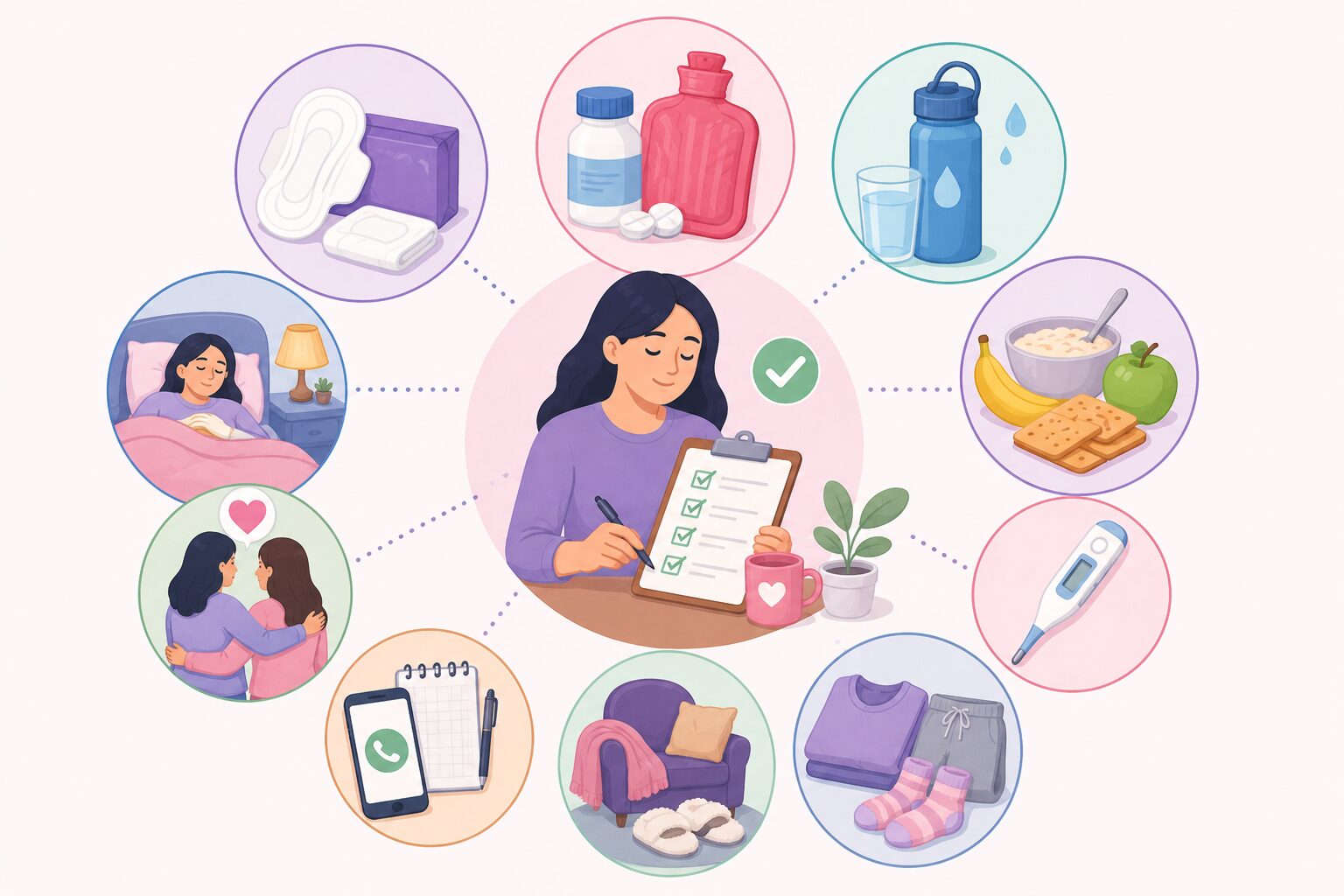
Ibuprofen (If Approved by Your Provider)
Cramping is one of the most common symptoms during a medication abortion.
Many healthcare providers recommend ibuprofen to help manage pain because it is effective for uterine cramping. Always follow the dosage instructions provided by your clinician and avoid taking medications that have not been recommended for you.
If you have allergies, stomach ulcers, kidney disease, or another condition that affects pain medicine choices, talk with your provider before using any medication.
A Heating Pad or Hot Water Bottle
Applying gentle heat to your lower abdomen or lower back may help ease cramping for many people.
Helpful options include:
- Electric heating pad
- Microwaveable heat pack
- Hot water bottle
- Warm blanket
Use heat according to the product’s instructions to avoid burns.
Plenty of Water and Hydrating Drinks
Staying hydrated is important, especially if you experience nausea, diarrhea, or vomiting.
Good options include:
- Water
- Electrolyte drinks
- Herbal tea
- Clear broth
Keeping a reusable water bottle nearby makes it easier to sip fluids throughout the day.
Easy-to-Digest Foods
Some people experience temporary nausea or digestive upset during a medication abortion. Having simple foods ready can make eating easier when your appetite is low.
Consider keeping:
- Crackers
- Toast
- Rice
- Applesauce
- Bananas
- Soup
- Yogurt
- Oatmeal
Choose foods that feel gentle on your stomach and are easy to prepare.
A Digital Thermometer
A thermometer can help you monitor your temperature if you’re feeling unwell after taking abortion pills.
While mild chills can occur with misoprostol, a persistent fever after the expected timeframe may require medical advice. Your healthcare provider will explain what temperature or symptoms should prompt you to contact them.
Comfortable Clothing
Loose-fitting clothing can help you feel more comfortable while resting.
Many people prefer:
- Soft pajamas
- Sweatpants
- Oversized T-shirts
- Warm socks
- Comfortable underwear
Simple comfort measures can make a noticeable difference during recovery.
A Comfortable Resting Area
Set up a space where you can relax without interruptions.
You may want to have:
- Pillows
- Blankets
- A nearby bathroom
- Snacks
- Water
- Entertainment
- Phone charger
- Remote controls
Having everything within reach means you won’t need to move around unnecessarily while experiencing cramps.
Your Phone and Healthcare Provider’s Contact Information
Before taking abortion pills, make sure you know how to contact your healthcare provider if you have questions.
Keep handy:
- Clinic phone number
- Emergency contact
- Written medication instructions
- Follow-up appointment information
- Patient portal login (if applicable)
Knowing who to call can provide reassurance if concerns arise.
Someone You Trust (Optional)
Many people complete a medication abortion safely at home independently. Others prefer having a trusted friend, partner, or family member available for emotional support or practical help.
If someone will be with you, let them know:
- When you’ll be taking the medication
- How they can help if needed
- When to seek medical advice if instructed by your provider
Having support is a personal choice and may help some individuals feel more at ease.
Items You Probably Don’t Need
Many first-time patients worry they need specialized medical equipment or extensive supplies. In most cases, you do not.
You generally don’t need:
- Medical-grade equipment
- Prescription pain medicine (unless specifically prescribed)
- Special diets
- Multiple over-the-counter medications without guidance
- Pregnancy-related medical devices
Following your healthcare provider’s instructions is usually all that’s necessary.
Plan Your Day Before Taking Abortion Pills
Preparing your schedule can be just as important as gathering supplies.
Whenever possible:
- Choose a day when you can stay home.
- Avoid scheduling demanding activities.
- Arrange childcare if needed.
- Keep your calendar flexible.
- Make sure your phone is charged.
Creating a calm environment allows you to focus on rest and recovery.
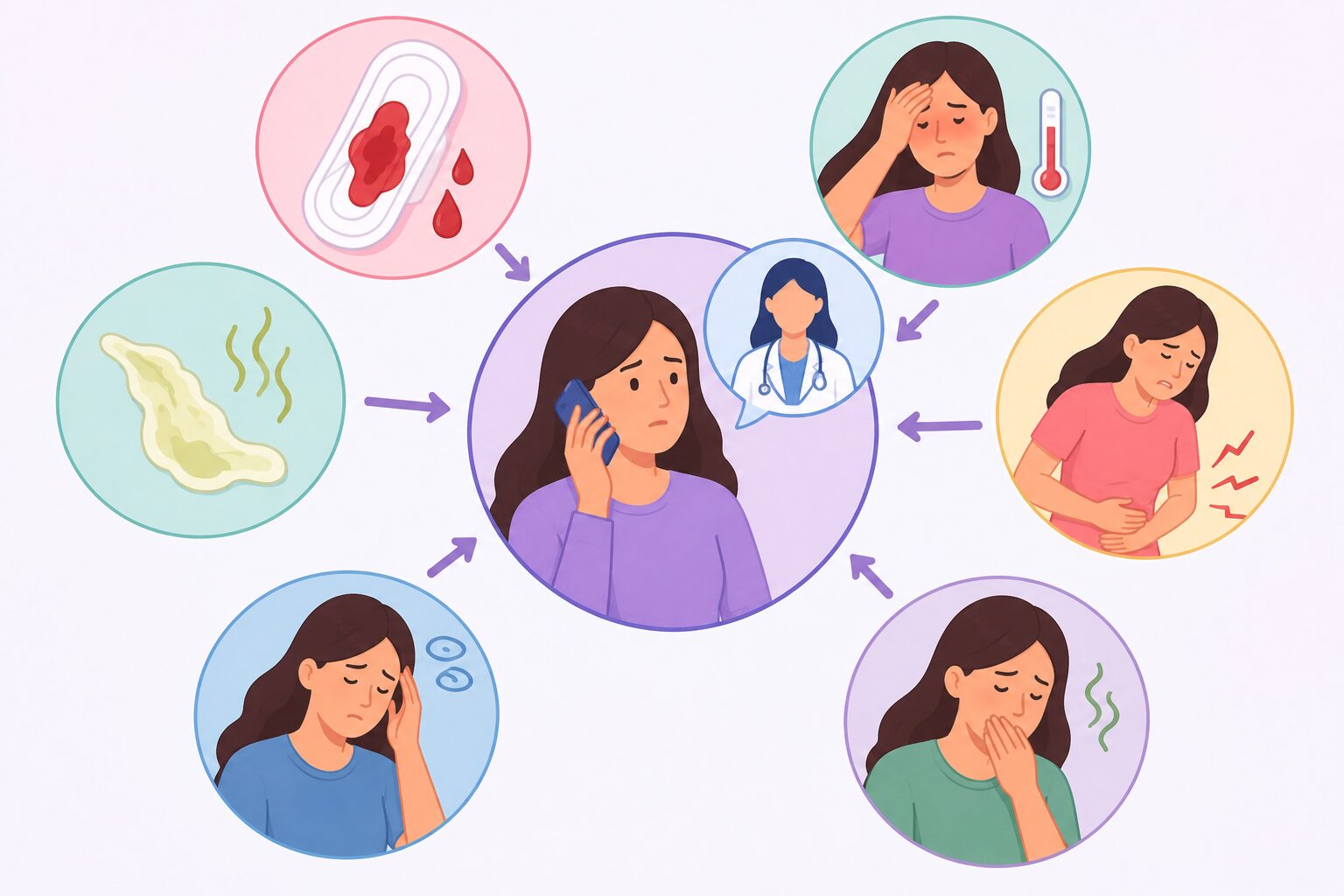
Know When to Contact Your Healthcare Provider
Before taking abortion pills, review your provider’s instructions about warning signs and follow-up care.
Seek medical advice if you experience symptoms your provider has identified as needing prompt evaluation, such as:
- Bleeding that is much heavier than expected
- Severe pain that is not relieved by recommended medication
- Persistent fever after the expected timeframe
- Foul-smelling vaginal discharge
- Feeling faint or experiencing other concerning symptoms
If you believe you are experiencing a medical emergency, seek emergency care immediately.
Preparing Emotionally Is Important Too
While most preparation focuses on physical comfort, emotional preparation also matters.
Some people feel relieved, while others experience a mix of emotions before or after a medication abortion. Both are normal.
Consider:
- Planning a quiet day
- Limiting unnecessary stress
- Keeping supportive friends available
- Practicing self-care
- Giving yourself permission to rest
Being prepared physically and emotionally can help make the experience feel more manageable.
Conclusion
Knowing what to keep at home before taking abortion pills can make the process more comfortable and less stressful. Simple items like heavy-flow pads, ibuprofen (when recommended), water, easy-to-eat foods, a heating pad, comfortable clothing, and your healthcare provider’s contact information can help you feel prepared before your medication abortion begins.
At Serenity Choice Health, we believe that good preparation is an important part of compassionate abortion care. If you have questions about medication abortion or what to expect, our experienced healthcare team is here to provide clear guidance, personalized support, and confidential care every step of the way.
Ready to learn more or schedule a confidential consultation? Contact Serenity Choice Health today to speak with a qualified healthcare provider.
FAQ Section
What should I buy before taking abortion pills?
Most people only need heavy-flow sanitary pads, ibuprofen if recommended by their provider, a heating pad, water, easy-to-eat foods, a thermometer, and comfortable clothing.
Should I use tampons during a medication abortion?
Many healthcare providers recommend using sanitary pads initially because they make it easier to monitor bleeding. Follow your provider’s specific instructions.
Can I take ibuprofen before taking abortion pills?
Many clinicians recommend ibuprofen to help manage cramping, but you should only use medications approved by your healthcare provider.
Should someone stay with me while taking abortion pills?
Many people safely complete a medication abortion on their own, while others prefer having a trusted support person available. The decision depends on your comfort level and your provider’s recommendations.
What foods should I keep at home?
Simple, easy-to-digest foods such as soup, crackers, bananas, rice, applesauce, yogurt, and toast are often good choices if you experience nausea or have a reduced appetite.
When should I call my healthcare provider?
Contact your provider if you experience symptoms they have identified as concerning, including unexpectedly heavy bleeding, severe pain not relieved by recommended medication, persistent fever, or other symptoms outlined in your aftercare instructions. You can also schedule an appointment with Serenity Choice Health if you need guidance before beginning treatment.

Dr. James Carter is a board-certified physician and lead clinician at Serenity Choice Health, specializing in reproductive health access and medication abortion protocols. With over 20+ years of experience, he combines clinical expertise with patient-centered care to ensure safe, compassionate, and confidential reproductive healthcare.