
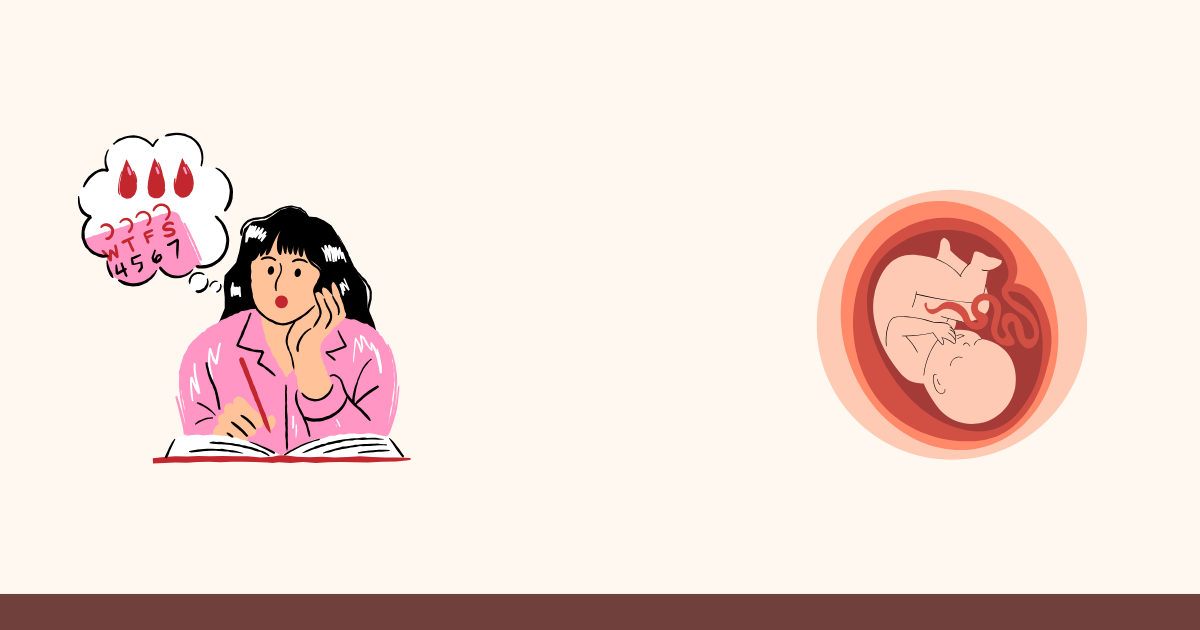
Many people wonder when their period will come back after abortion, especially if they’re trying to understand what’s normal during recovery. While every person’s body heals differently, most menstrual cycles return within 4 to 8 weeks after an abortion.
Knowing what to expect can help reduce unnecessary worry and make it easier to recognize when it’s time to contact a healthcare provider. In this guide, we’ll explain the typical timeline, what affects your cycle, what your first period may look like, and when medical advice is recommended. Our your abortion experience before, during, and after care guide provides a complete walkthrough of what to expect throughout the full recovery process.
How Long Does It Usually Take for Your Period to Return?
For most people, the first menstrual period returns within four to eight weeks after an abortion.
The exact timing depends on when ovulation resumes, since your menstrual cycle restarts once your hormones return to their normal pattern.
Many people notice:
- Period within 4–6 weeks
- Some may take up to 8 weeks
- Cycles may be temporarily irregular for one or two months
If your periods were naturally irregular before pregnancy, they may continue to be somewhat unpredictable afterward. Read our abortion safety medical facts guide for a broader overview of what normal recovery looks like after both medication and surgical abortion.
Bleeding After Abortion Is Not the Same as Your Period
One of the biggest sources of confusion is post-abortion bleeding.
After an abortion, it’s common to experience vaginal bleeding or spotting for several days or even a few weeks. This is part of the uterus healing and is not your menstrual period. For a detailed breakdown of what bleeding patterns are normal at each stage of recovery, read our guide on bleeding after the abortion pill.
Generally:
Post-abortion bleeding:
- Begins soon after the abortion
- Gradually becomes lighter
- May stop and start
- Often includes spotting
Your first period:
- Happens after ovulation resumes
- Follows your normal menstrual cycle
- Lasts several days
- Marks the return of your regular cycle
Understanding this difference can help prevent unnecessary concern.
Does the Timeline Differ Between Medication and Procedural Abortion?
The overall timeframe is usually similar, although individual experiences vary.
After Medication Abortion
Following a medication abortion, hormone levels gradually decrease, allowing the body to restart its menstrual cycle. Most people experience their first period within 4 to 8 weeks. For a full explanation of how the medication abortion process works, read our medication abortion explained guide. Our abortion pill page covers the complete process from start to finish.
After Procedural Abortion
Following a procedural abortion, many individuals also see their period return within the same timeframe. Recovery varies depending on individual hormonal changes and how far along the pregnancy was. For more on recovery after in-clinic procedures, see our in-clinic abortion services page. For procedures later in pregnancy, our second trimester abortion recovery guide covers recovery in more depth.
In both situations, everyone’s recovery is unique.
What Factors Affect When Your Period Returns?
Several factors influence how quickly your menstrual cycle comes back.
Pregnancy Stage
Hormone levels tend to be higher in later pregnancies, so they may take longer to return to pre-pregnancy levels.
Individual Hormones
Every person’s endocrine system recovers differently.
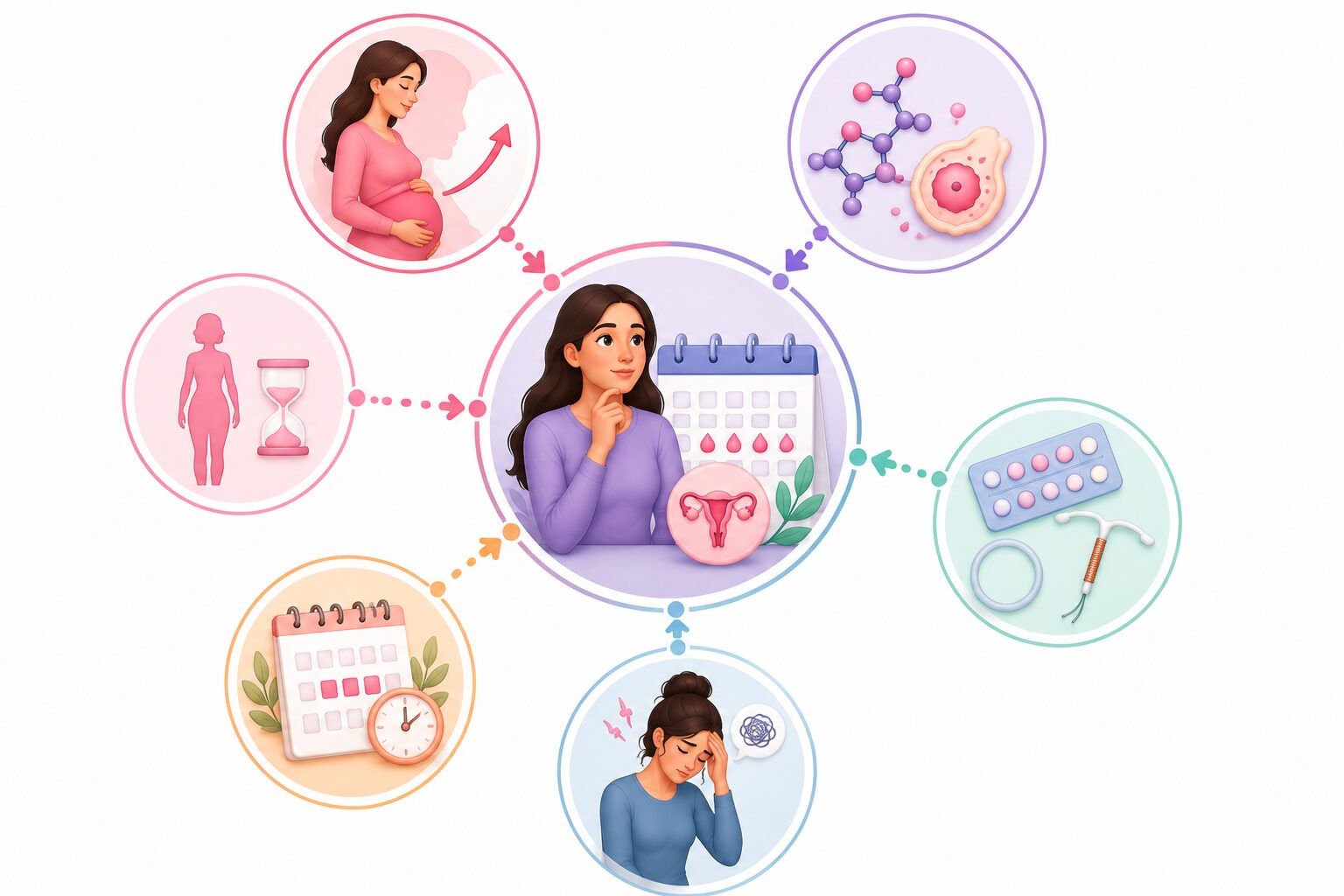
Previous Menstrual Patterns
People with irregular periods before pregnancy may continue to experience irregular cycles afterward.
Stress
Physical recovery and emotional stress may temporarily influence hormonal balance. Read our guide on how to recover emotionally after an abortion for practical support during the weeks following your procedure.
Birth Control
Starting hormonal contraception soon after an abortion can change bleeding patterns and affect when your first natural period occurs. Read our guide on how birth control can affect your period to understand what changes are normal when starting a new method. Our birth control and contraceptive services can help you choose the right method to start after your abortion.
What Will the First Period After Abortion Be Like?
Many people notice that their first period is different from what they’re used to.
It may be:
- Heavier than usual
- Lighter than usual
- Longer or shorter
- More crampy
- Contain small clots
- Slightly irregular
For most individuals, cycles gradually return to their usual pattern over the next few months. For guidance on managing cramping and discomfort, see our abortion pain management guide.
Can You Ovulate Before Your First Period?
Yes.
Ovulation can occur before your first menstrual period, meaning pregnancy is possible even if you haven’t had a period yet.
This is important for anyone who wishes to avoid another pregnancy immediately after recovery. Read our guides on how fertile you are after an abortion and whether you can get pregnant after an abortion to understand how quickly fertility returns.
If pregnancy prevention is important, speak with your healthcare provider about birth control options that fit your needs.
What If My Period Hasn’t Returned?
A delayed period doesn’t always mean something is wrong.
Common reasons include:
- Normal hormonal recovery
- Individual variation
- Stress
- Hormonal birth control
- A new pregnancy
If your period hasn’t returned within about 8 weeks, or if you have concerns about your recovery, it’s a good idea to contact your healthcare provider for personalized guidance. Our telehealth abortion care includes follow-up consultations so you can reach a provider quickly from home.
When Should You Contact a Healthcare Provider?
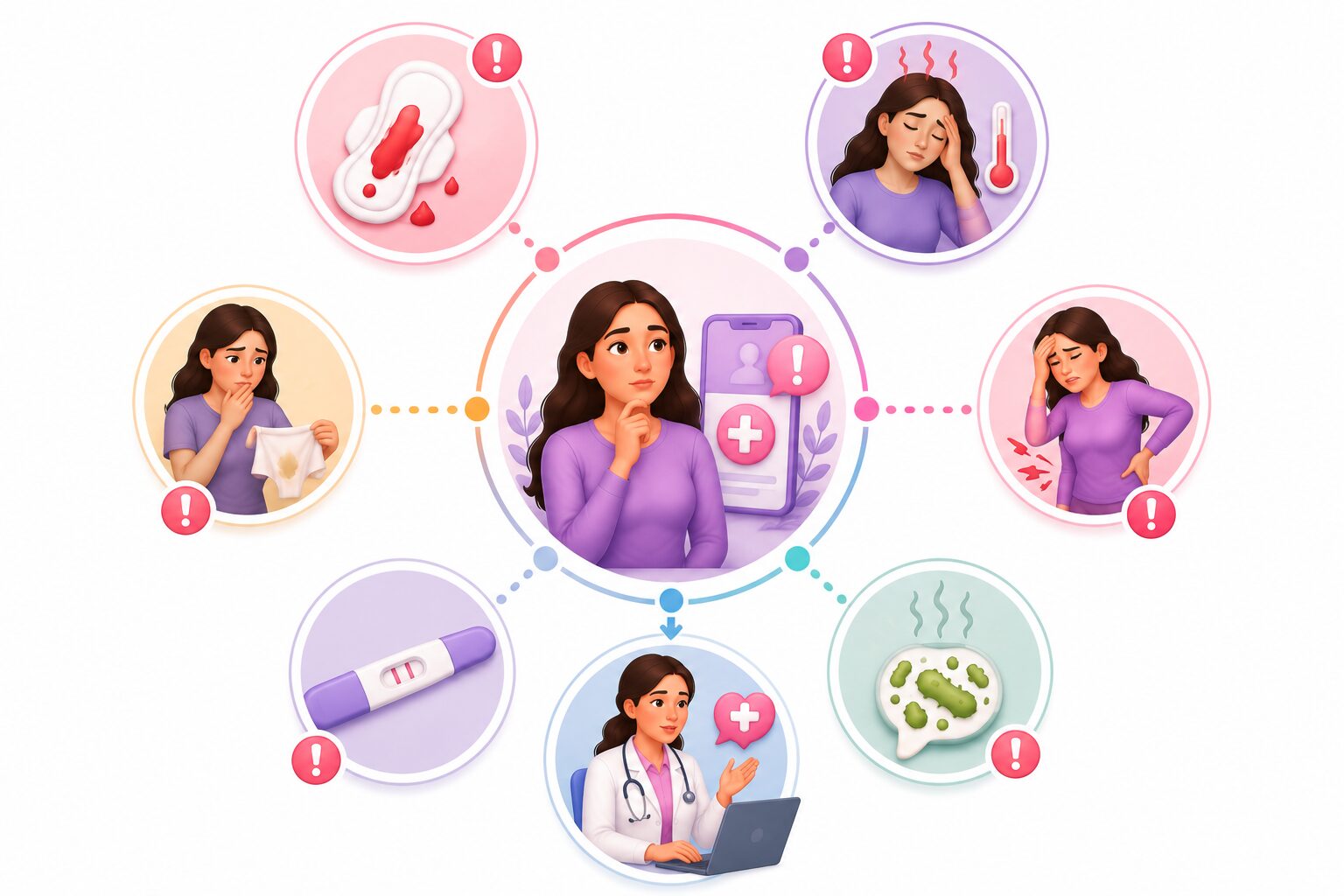
Seek medical advice if you experience:
- No menstrual period after approximately eight weeks
- Very heavy bleeding that soaks through pads rapidly for an extended period
- Severe pelvic pain that isn’t improving
- Fever or chills
- Foul-smelling vaginal discharge
- Persistent positive pregnancy tests weeks after the abortion
- Symptoms that seem to worsen rather than improve
Read our guide on how to know if the abortion pill worked for more on how to interpret persistent positive pregnancy tests during recovery. Prompt evaluation can help identify whether additional care is needed. Book a confidential appointment with our team for prompt, personalized guidance.
Tips for Supporting Recovery
While you can’t force your period to return sooner, you can support your overall recovery by:
- Getting adequate rest
- Staying hydrated
- Eating balanced, nutritious meals
- Taking medications exactly as directed
- Attending recommended follow-up appointments
- Monitoring your symptoms
- Asking questions whenever you’re unsure about your recovery
If you are also experiencing nausea during recovery, read our guide on nausea after abortion to understand what is normal and when it should resolve.
Remember that every recovery timeline is different.
When to Take a Pregnancy Test
Some pregnancy hormones remain in the body for several weeks after an abortion.
Testing too early may produce a positive result even when the abortion was successful.
If your healthcare provider recommends follow-up testing, follow their instructions regarding timing and interpretation.
When to Expect Your Normal Cycle Again
Most people find that their menstrual cycles settle back into their usual pattern within a few months.
Temporary changes in flow, cramping, or cycle length are often part of normal recovery.
If you continue experiencing significant irregularities or have ongoing concerns, a healthcare provider can help determine whether additional evaluation is appropriate.
Conclusion
Wondering when your period will come back after abortion is completely understandable. For most people, menstruation returns within 4 to 8 weeks, although individual recovery varies.
Knowing the difference between post-abortion bleeding and a true menstrual period, understanding when ovulation returns, and recognizing warning signs can help you feel more confident throughout recovery.
If your period is significantly delayed or you experience symptoms that concern you, don’t hesitate to seek medical advice.
Need Personalized After-Abortion Care?
At Serenity Choice Health, our experienced healthcare team provides confidential, compassionate reproductive healthcare, abortion aftercare, birth control counseling, and follow-up support. Our women’s primary care services include post-abortion follow-up and ongoing reproductive health support. If you have questions about your recovery or menstrual cycle, we’re here to help with professional guidance tailored to your needs.
FAQ Section
How long does it take to get your first period after abortion?
Most people get their first period within 4 to 8 weeks, although the exact timing varies from person to person.
Is it normal for my first period after abortion to be heavier?
Yes. The first period may be heavier, lighter, longer, shorter, or accompanied by stronger cramps than your usual cycle.
Can I get pregnant before my period comes back?
Yes. Ovulation can happen before your first menstrual period, making pregnancy possible even if you haven’t yet had a period.
Why is my period late after abortion?
Delayed periods may result from normal hormonal recovery, stress, hormonal contraception, or a new pregnancy. If your period hasn’t returned after about eight weeks, contact your healthcare provider.
When should I see a healthcare provider?
Seek medical advice if you have severe pain, fever, foul-smelling discharge, very heavy bleeding, or if your period has not returned within approximately eight weeks.

Dr. James Carter is a board-certified physician and lead clinician at Serenity Choice Health, specializing in reproductive health access and medication abortion protocols. With over 20+ years of experience, he combines clinical expertise with patient-centered care to ensure safe, compassionate, and confidential reproductive healthcare.