
If you are preparing for a medication abortion, you may wonder whether you can have a drink before taking the abortion pills or after the process begins.
The safest approach is to avoid alcohol while you are actively going through the medication-abortion process, particularly around the time you take mifepristone and misoprostol and while you are experiencing significant cramping, bleeding, nausea, dizziness, or vomiting.
There is not strong evidence showing that alcohol directly cancels out the effect of mifepristone. However, available medication information says the effect of alcohol on mifepristone is not well established, and healthcare services commonly advise avoiding alcohol during treatment. Alcohol can also make symptoms such as nausea or dizziness harder to manage and may impair your judgment when you need to monitor bleeding or respond to concerning symptoms.
Medication abortion commonly uses mifepristone followed by misoprostol. Mifepristone blocks progesterone, while misoprostol causes uterine contractions and bleeding that help empty the uterus. The FDA-approved regimen uses misoprostol 24 to 48 hours after mifepristone.
If you are unsure about alcohol, medications, or your specific treatment instructions, follow the guidance provided by your healthcare professional.
Can You Drink Alcohol Before Taking Abortion Pills?
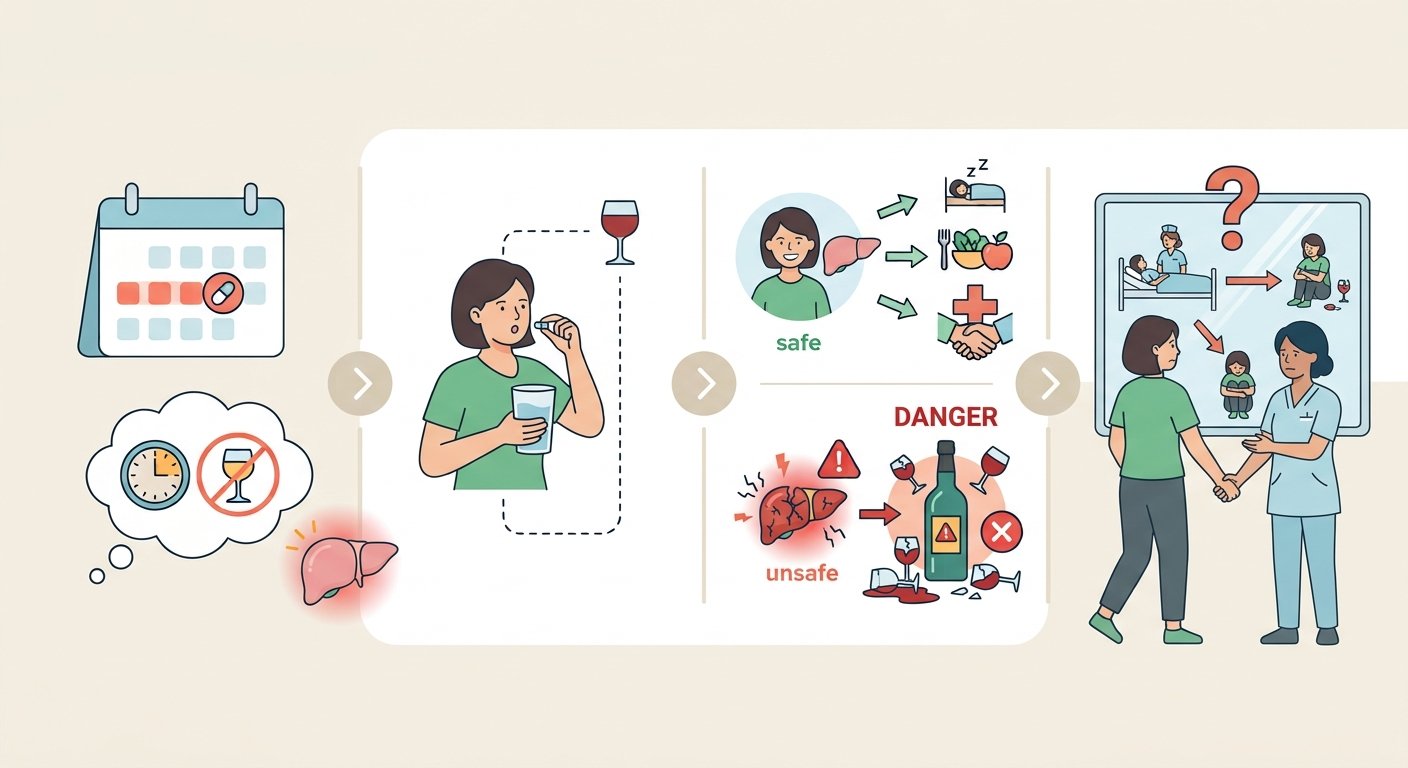
It is generally better to avoid alcohol before taking abortion pills, especially if you are close to the time you plan to start treatment.
The concern is not simply whether one drink chemically interacts with the abortion medication. Your overall condition matters when you begin a medication abortion.
Alcohol can contribute to:
- Nausea
- Vomiting
- Dizziness
- Dehydration
- Reduced alertness
- Impaired judgment
These effects can become more difficult to manage once misoprostol causes cramping and bleeding.
If you have already had a drink before taking your medication, do not automatically assume that the abortion pills will no longer work. Instead, follow your provider’s instructions and ask them whether you should proceed based on your individual circumstances.
For a broader overview of what medication abortion involves, you can review a complete medication-abortion explanation.
Can You Drink Alcohol After Taking Mifepristone?
It is best to avoid alcohol after taking mifepristone while you are still going through the abortion process.
Mifepristone is the first medicine in the commonly used two-medication regimen. It blocks progesterone, and misoprostol is taken later to cause cramping and bleeding.
Some medical information sources state that it is not known whether alcohol directly affects mifepristone, while healthcare services advise patients to avoid alcohol during treatment.
Avoiding alcohol during this period can make it easier to:
- Pay attention to how you feel
- Recognize worsening dizziness or weakness
- Stay adequately hydrated
- Monitor bleeding
- Follow your medication instructions
- Respond appropriately if you develop concerning symptoms
The goal is not to suggest that a single drink automatically causes a medication abortion to fail. Rather, avoiding alcohol gives you a clearer and safer recovery period.
Can You Drink Alcohol Between Mifepristone and Misoprostol?
It is best to avoid alcohol between the two medicines.
In the standard FDA-approved regimen, misoprostol is taken 24 to 48 hours after mifepristone.
This interval is an important part of the treatment process. It is useful to stay hydrated, keep your medications and supplies ready, and remain alert to any symptoms that need attention.
Some people experience bleeding or cramping after mifepristone, although the more significant cramping and bleeding commonly occur after misoprostol.
Avoiding alcohol during this interval can also help you remain focused on taking the second medication according to your provider’s instructions.
If you are preparing for medication abortion, reviewing common questions before taking abortion pills can also help you prepare.
Can You Drink Alcohol After Taking Misoprostol?
It is advisable to avoid alcohol while misoprostol is actively causing cramping and bleeding and while you are experiencing significant side effects.
Misoprostol commonly causes uterine contractions, bleeding, cramping, and gastrointestinal symptoms such as nausea or diarrhea.
Alcohol may make it harder to distinguish medication side effects from symptoms that deserve medical attention.
For example, if you are already experiencing:
- Dizziness
- Nausea
- Vomiting
- Weakness
- Diarrhea
- Heavy bleeding
- Strong cramps
adding alcohol may make you feel worse or make it harder to judge how your symptoms are changing.
There is no universally established number of hours after misoprostol that applies to every person. Instead of relying on a fixed internet rule, consider how you are feeling, whether the active abortion process has settled, whether bleeding is manageable, and whether you are taking other medications.
If your healthcare provider gave you specific instructions about alcohol, follow those instructions.
You can also read more about what to expect after taking misoprostol.
Does Alcohol Make Abortion Pills Less Effective?
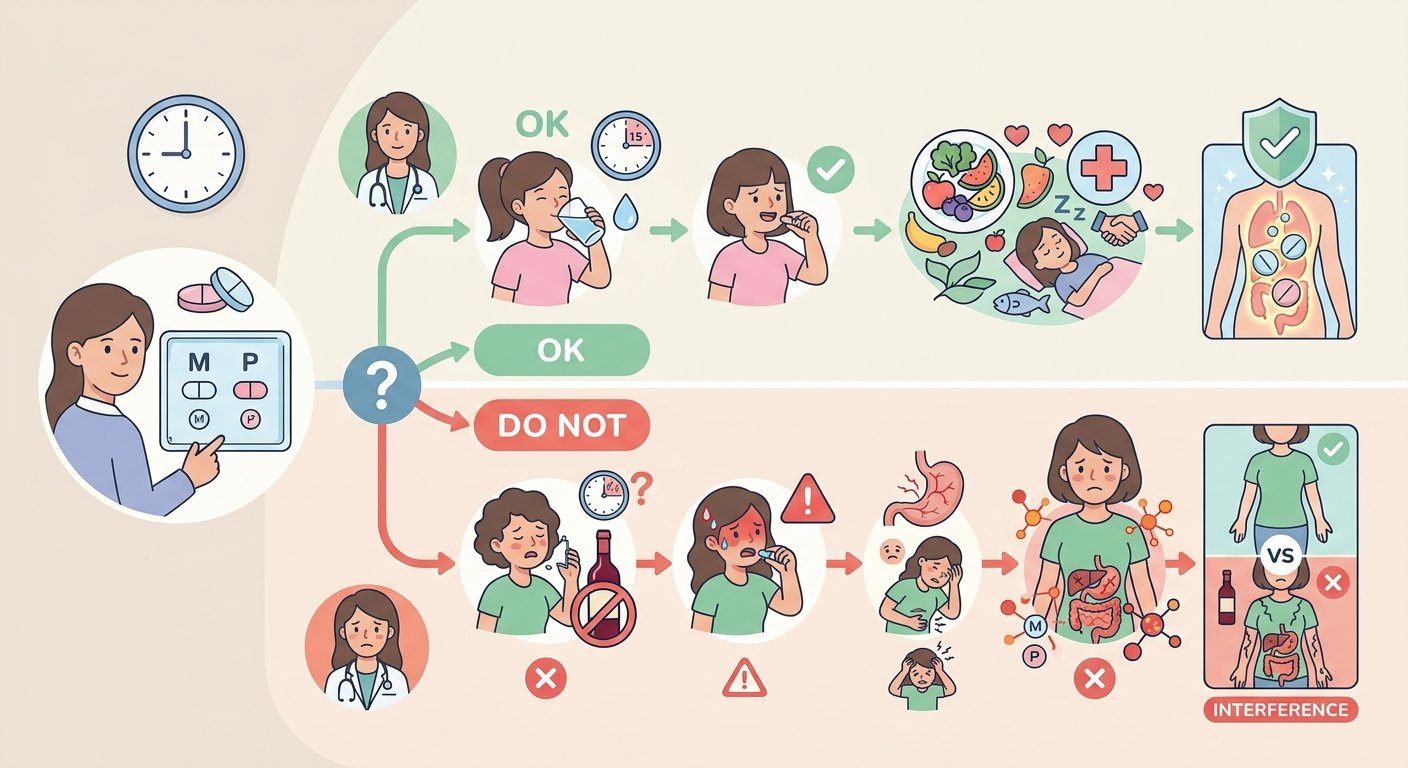
There is no established evidence that drinking alcohol directly makes the standard mifepristone–misoprostol regimen stop working.
However, that does not mean drinking alcohol during the abortion process is a good idea.
The medication itself needs to be taken according to the prescribed instructions. The FDA identifies mifepristone with misoprostol as the approved regimen for ending an intrauterine pregnancy through 70 days of gestation.
The practical concern with alcohol is more about safety, side effects, hydration, judgment, and the ability to monitor your condition than about alcohol simply neutralizing the medication.
If you are concerned that your abortion may not have worked, do not use alcohol consumption as the explanation automatically. Follow the recommended follow-up process and contact your healthcare provider.
For additional information, see how to know whether abortion pills worked.
Can Alcohol Make Abortion Side Effects Worse?
It may.
Medication abortion can cause symptoms such as cramping, bleeding, nausea, vomiting, diarrhea, headache, dizziness, and fatigue. Misoprostol is particularly associated with cramping and gastrointestinal symptoms.
Alcohol can also contribute to nausea, dehydration, dizziness, and impaired coordination.
Combining these effects may make the abortion experience more uncomfortable.
For example, someone who already feels lightheaded from pain, blood loss, dehydration, or nausea may feel worse after drinking alcohol.
This is one reason avoiding alcohol during the active treatment period is a practical safety measure.
If you are experiencing nausea, focus on small amounts of fluids as tolerated and follow the instructions provided by your healthcare team.
What About Alcohol and Pain Medicine During an Abortion?
This is an important reason to avoid alcohol during medication abortion.
People may use medicines to manage cramping or other symptoms. Alcohol can interact with some medications or increase sedation and dizziness, depending on what you are taking.
Do not assume that alcohol is safe simply because the alcohol itself does not have a known direct interaction with mifepristone.
Tell your healthcare provider about all prescription medicines, over-the-counter medicines, supplements, and other substances you use.
This is particularly important if you have been prescribed a medicine that can cause drowsiness or sedation.
If you need information about managing discomfort, you can review abortion pain-management options.
Can You Drink Alcohol Before Misoprostol?
It is best not to drink alcohol before taking misoprostol.
Misoprostol is the medicine that causes uterine contractions and helps the uterus pass the pregnancy tissue. In the standard two-medication regimen, it is taken after mifepristone according to the prescribed timing.
Before taking misoprostol, it is helpful to have:
- Your prescribed medicines available
- Drinking water or another suitable non-alcoholic beverage
- Menstrual pads
- Any recommended pain or nausea medication
- A charged phone
- Access to medical advice if needed
- A comfortable place to rest
Remaining sober can make it easier to follow the medication instructions and recognize changes in your symptoms.
What If You Already Drank Alcohol Before Taking the Abortion Pills?
If you already drank alcohol, do not panic.
A drink before treatment does not automatically mean that the abortion medication will fail.
However, the appropriate next step can depend on how much you drank, when you drank it, whether you are still intoxicated, what other medications you are taking, and the instructions from your provider.
If you are currently intoxicated, vomiting, severely dizzy, or otherwise unwell, contact your healthcare provider before proceeding.
If you had a small amount of alcohol earlier and feel completely well, follow your provider’s instructions or contact them if you are uncertain.
The important point is not to take extra abortion medication because you drank alcohol. Do not change your prescribed dosing schedule without professional guidance.
What If You Drank Alcohol After Taking Mifepristone?
If you drank alcohol after taking mifepristone, do not assume that you have ruined the treatment.
Avoid drinking more alcohol while the abortion is still in progress, and focus on hydration and following the medication instructions you were given.
If you develop significant symptoms or are worried about the amount of alcohol consumed, contact your healthcare provider.
You should also continue to follow the prescribed timing for misoprostol unless your healthcare professional tells you otherwise.
Do not take an additional dose of mifepristone because you drank alcohol.
What If You Drank Alcohol After Misoprostol?
If you drank alcohol after misoprostol, the same basic principle applies: do not assume that the medication has automatically failed.
Stop drinking alcohol and pay attention to how you are feeling.
Focus on:
- Hydration
- Rest
- Monitoring bleeding
- Monitoring pain
- Following your provider’s instructions
- Knowing when to seek medical attention
If you develop unusually heavy bleeding, severe or worsening pain, fainting, severe weakness, or another concerning symptom, seek medical care rather than assuming alcohol caused the problem.
For emergency warning signs, you can also review when to go to the ER after abortion pills.
How Long Should You Wait to Drink Alcohol After an Abortion?
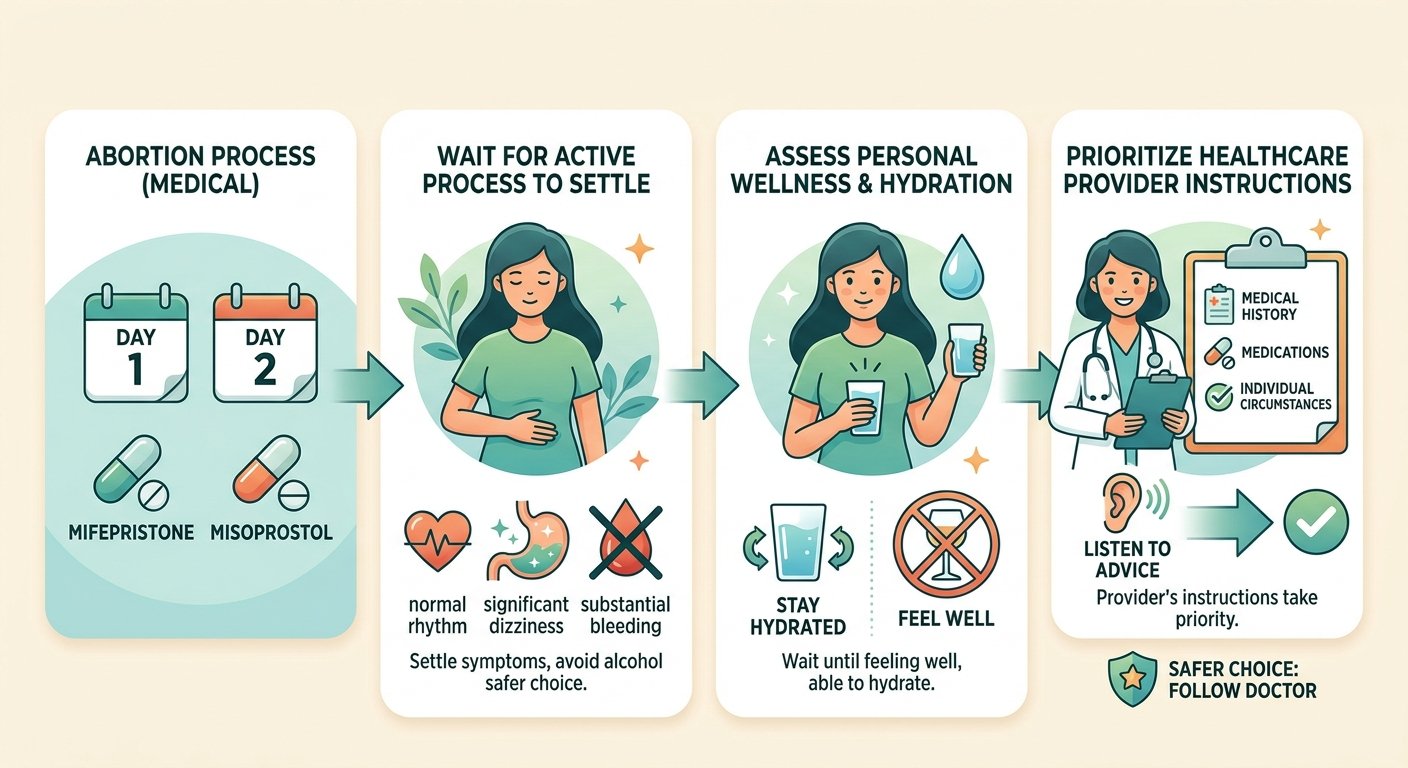
There is no single evidence-based waiting period that applies to every person after medication abortion.
Rather than using a specific number of hours as a universal rule, it is safer to wait until the active abortion process has settled, you are feeling well, you are able to stay hydrated, and you are no longer experiencing significant dizziness, nausea, vomiting, or other symptoms.
Your provider’s instructions should take priority because they may consider your medications, medical history, symptoms, and individual circumstances.
If you are still experiencing substantial bleeding or significant symptoms, continuing to avoid alcohol is the safer choice.
Some healthcare services specifically advise avoiding alcohol during treatment and while bleeding is occurring.
Can Alcohol Affect Bleeding After Abortion Pills?
Heavy bleeding is an important symptom to monitor after medication abortion.
Alcohol should not be used as a way to manage pain, stress, or the abortion process. If you are bleeding heavily, drinking alcohol can also make it harder to judge your symptoms accurately, particularly if you become dizzy or lightheaded.
Follow your provider’s instructions for monitoring bleeding.
If bleeding becomes unusually heavy or you develop fainting, severe weakness, or other serious symptoms, seek medical attention promptly.
For more information about expected bleeding and warning signs, see bleeding after abortion pills and what to expect.
Can Alcohol Cause Vomiting After Abortion Pills?
Alcohol can contribute to nausea and vomiting, while medication abortion can also cause these symptoms.
This matters because vomiting can make the treatment period more difficult to manage and can contribute to dehydration.
If you vomit after taking mifepristone, follow the specific instructions provided by your abortion provider because what to do can depend on how soon the vomiting occurred.
If you vomit after using misoprostol in the cheek or under the tongue, follow the administration instructions you were given rather than taking an additional dose on your own.
If vomiting is severe or you cannot keep fluids down, contact your healthcare provider.
You can also learn more about vomiting after abortion pills.
Is It Safe to Drink Alcohol if You Are Taking Other Medicines During an Abortion?
This depends on the medicines involved.
Mifepristone has important medication interactions, and the FDA-approved labeling includes several drug-interaction considerations. The FDA also instructs patients to discuss their medications with their healthcare provider before treatment.
Alcohol can create additional concerns with some medications, particularly medicines that cause drowsiness or affect coordination.
Before drinking alcohol, tell your provider about:
- Prescription medications
- Over-the-counter medicines
- Pain medicines
- Nausea medicines
- Supplements
- Herbal products
- Recreational substances
Your provider can assess the combination rather than relying on a general rule about alcohol.
Can You Drink Alcohol During a Telehealth Medication Abortion?
If your medication abortion is being managed through telehealth, the same basic safety principles apply.
You should still follow the instructions given by your healthcare provider and disclose relevant medications, medical conditions, and substances you use.
Telehealth does not mean that alcohol or other substances should be left out of your medical history.
If you are considering remote care, you can learn more about the potential benefits of telehealth abortion care.
When Should You Seek Medical Help After Drinking Alcohol During an Abortion?
Do not assume that every symptom after drinking alcohol is simply an alcohol effect.
Seek medical help if you experience symptoms such as:
- Very heavy bleeding
- Fainting or loss of consciousness
- Severe or worsening abdominal pain
- Severe weakness or difficulty staying awake
- Persistent vomiting that prevents you from keeping fluids down
- Concerning symptoms that are rapidly worsening
- Any emergency symptom identified in the instructions from your healthcare provider
If you are unsure whether a symptom is expected, contact the provider who prescribed or supplied your abortion medication.
The FDA recommends follow-up after the mifepristone–misoprostol regimen to confirm that the pregnancy has ended and to assess recovery.
How Can You Prepare for an Alcohol-Free Abortion-Pill Day?
Planning ahead can make the medication-abortion process easier.
Before taking your medication:
Have Your Medicines Ready
Keep your prescribed abortion medicines and any recommended symptom-management medicines available.
Keep Fluids Nearby
Water and other non-alcoholic fluids can help you stay hydrated, particularly if you experience vomiting or diarrhea.
Have Pads Available
Pads can help you monitor bleeding during the abortion process.
Plan to Rest
Choose a comfortable place where you can rest and monitor how you feel.
Keep Your Phone Available
Make sure you can contact your healthcare provider or emergency services if you need help.
Avoid Alcohol During Treatment
Skipping alcohol while the abortion is actively progressing removes an unnecessary source of dizziness, dehydration, impaired judgment, and potential medication-related concerns.
If you want to prepare your home before treatment, see what to keep at home before taking abortion pills.
What Is the Bottom Line About Alcohol and Abortion Pills?
If you are asking whether you can drink alcohol before or after taking abortion pills, the safest practical answer is to avoid alcohol during the active medication-abortion process.
There is no strong evidence that alcohol simply cancels the effect of mifepristone, and available drug information notes that the specific effect of alcohol on mifepristone is not well established.
However, alcohol can make nausea, dizziness, dehydration, vomiting, and impaired judgment more difficult to manage. Healthcare services therefore commonly recommend avoiding alcohol during treatment.
If you already drank alcohol, do not automatically assume that your abortion pills will fail. Instead, stop drinking, follow your prescribed treatment instructions, and contact your healthcare provider if you are unsure what to do.
FAQ Section
Can you drink alcohol before taking abortion pills?
It is best to avoid alcohol before starting medication abortion, particularly close to the time you take the medicines. Alcohol can contribute to nausea, dizziness, dehydration, and impaired judgment. If you already drank, contact your healthcare provider if you are unsure whether you should proceed.
Can you drink alcohol after taking mifepristone?
It is best to avoid alcohol after mifepristone while the abortion process is underway. The effect of alcohol on mifepristone itself is not well established, but avoiding alcohol can make it easier to monitor symptoms and stay hydrated.
Can you drink alcohol after taking misoprostol?
It is advisable to avoid alcohol while misoprostol is causing active cramping and bleeding or while you have significant nausea, vomiting, dizziness, or other symptoms. Follow your healthcare provider’s instructions about when to resume alcohol.
Does alcohol make abortion pills less effective?
There is no established evidence that alcohol directly neutralizes the effect of mifepristone or misoprostol. However, alcohol can make the treatment period harder to manage and may worsen some symptoms.
What if I drank alcohol before taking abortion pills?
Do not panic or take extra medication. The appropriate advice depends on how much you drank, when you drank it, your symptoms, and any other medicines you use. If you are intoxicated or unwell, contact your healthcare provider before taking the medication.
How long after abortion pills should you wait before drinking alcohol?
There is no single waiting period that applies to everyone. A practical approach is to wait until the active abortion process has settled, you feel well, you can stay hydrated, and you are no longer experiencing significant symptoms. Follow your provider’s specific instructions if they give you a different recommendation.

Dr. James Carter is a board-certified physician and lead clinician at Serenity Choice Health, specializing in reproductive health access and medication abortion protocols. With over 20+ years of experience, he combines clinical expertise with patient-centered care to ensure safe, compassionate, and confidential reproductive healthcare.