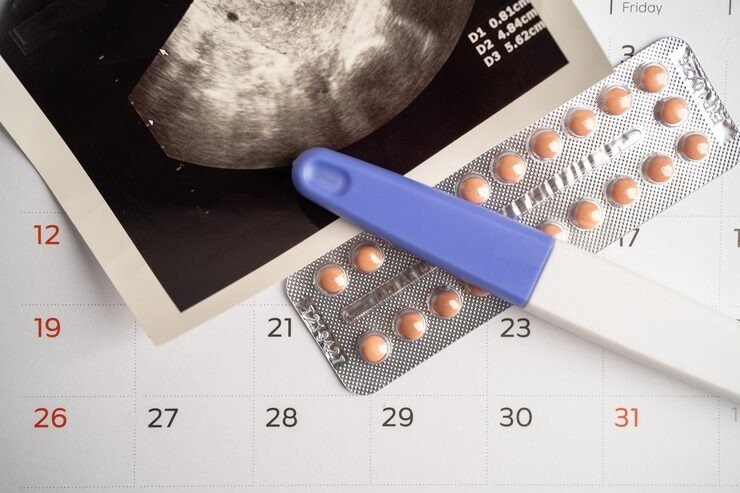
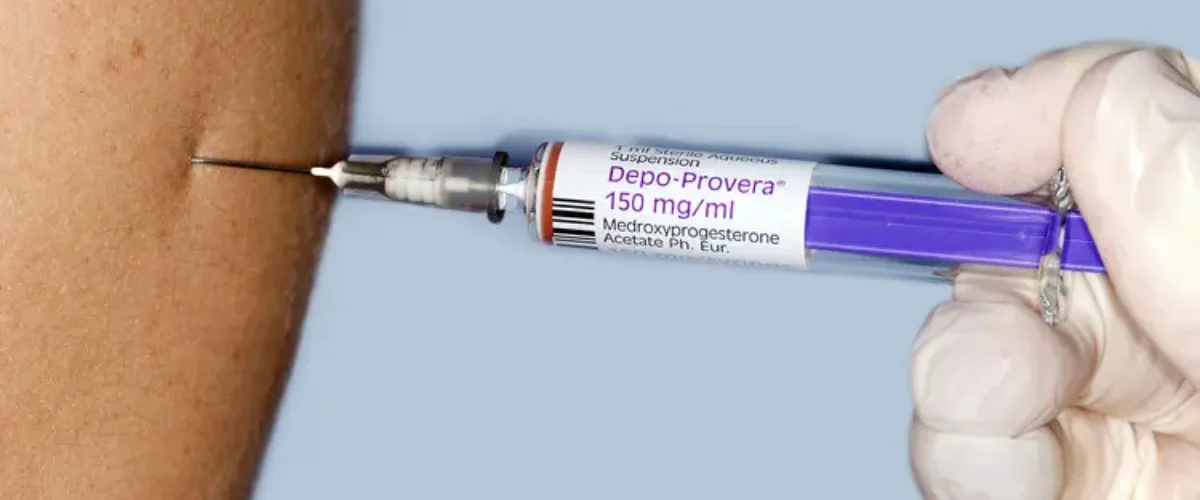
It depends on when you receive the birth control shot. If you get the Depo-Provera (also known as the Depo shot or contraceptive injection) during the first 5–7 days of your menstrual period, you are protected from pregnancy immediately.
However, if you receive the shot at any other time in your cycle, you will need to use backup contraception such as condoms for the next 7 days to ensure full pregnancy protection.
How the Birth Control Shot Works
The Depo-Provera injection contains progestin (medroxyprogesterone acetate), a hormone that prevents pregnancy by:
- Stopping ovulation (preventing the release of an egg)
- Thickening cervical mucus to block sperm
- Thinning the uterine lining to reduce implantation chances
When administered on time every 12–13 weeks, the shot is over 99% effective with perfect use and about 94% effective with typical use.
When Are You Protected Immediately?
You are protected right away if:
- The injection is given within the first 5–7 days of your menstrual cycle
- You are switching directly from another reliable birth control method without a gap
- You receive the shot immediately after childbirth (in certain cases, based on provider guidance)
If none of these apply, ovulation may still occur during the first week after your injection meaning pregnancy is possible without backup protection.
When Do You Need Backup Birth Control?
Use condoms or avoid unprotected sex for 7 days if:
- You received the shot mid-cycle
- Your period timing is uncertain
- You are more than 15 weeks late for a repeat injection
- You recently stopped another hormonal contraceptive
This ensures hormone levels have enough time to fully suppress ovulation.
What If You Had Unprotected Sex Before or Right After the Shot?
If you had unprotected intercourse within 5 days before getting the injection, you could already be at risk for pregnancy. In that case, your provider may discuss emergency contraception and recommend a pregnancy test in 2–3 weeks.
Because the shot can cause irregular bleeding or stop your period altogether (amenorrhea), it may be harder to recognize early pregnancy symptoms without testing.
Signs the Shot Is Working
Common side effects that indicate hormonal changes include:
- Irregular spotting
- Lighter periods
- No period after several months
- Mild weight changes
- Breast tenderness
These are normal responses to hormonal birth control and do not necessarily indicate pregnancy.
Why Timing and Medical Evaluation Matter
You cannot assume immediate protection without confirming your cycle timing. Before administering the birth control injection, a provider may:
- Perform a pregnancy test
- Review your menstrual history
- Discuss recent sexual activity
- Confirm there are no contraindications
This ensures safe and effective contraception.
The Bottom Line
You are protected from pregnancy immediately after the birth control shot only if it is given during the first 5–7 days of your period. Otherwise, you need backup contraception for 7 days.
If you’re unsure about your timing, missed a shot, or want to start reliable hormonal birth control, schedule a consultation with Serenity Choice Health today. Our experienced team is here to help you stay informed, protected, and confident in your reproductive health decisions.

Dr. James Carter is a board-certified physician and lead clinician at Serenity Choice Health, specializing in reproductive health access and medication abortion protocols. With over 20+ years of experience, he combines clinical expertise with patient-centered care to ensure safe, compassionate, and confidential reproductive healthcare.