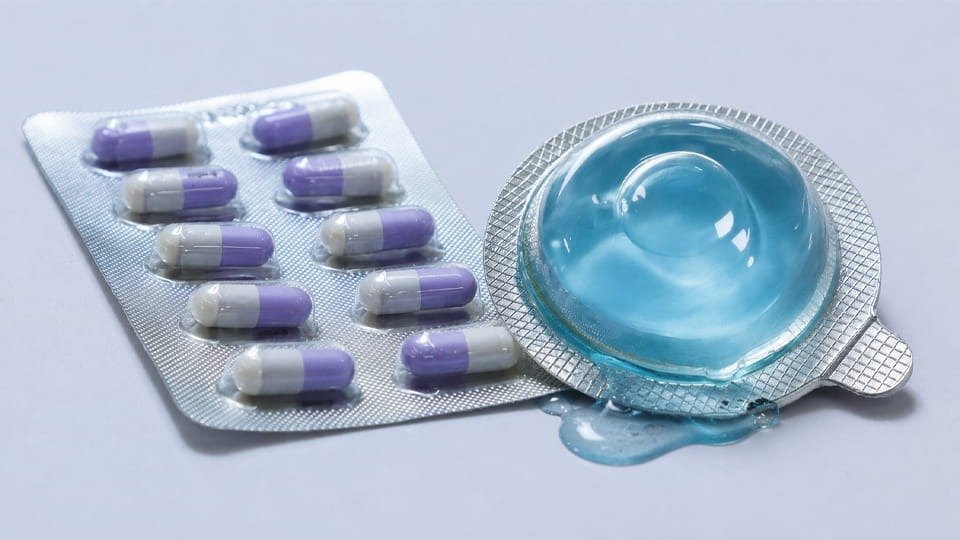

You can usually drink coffee after taking abortion pills if you normally tolerate caffeine and can keep fluids down. A small serving may be comfortable, but choose a drink without caffeine if coffee makes you feel nauseated or jittery. Follow any specific restrictions your abortion care provider gives you.
There is one important timing restriction: do not eat or drink while holding misoprostol tablets in your mouth for the instructed absorption period. This applies to coffee, tea, water, and other drinks.
Coffee After Mifepristone and Misoprostol
Can I drink coffee after taking mifepristone?
Patient guidance generally allows normal eating and drinking after mifepristone. You do not usually need to fast after taking it, although your own clinician’s instructions take priority.
If coffee normally upsets your stomach, you may prefer water or another familiar drink until you feel comfortable. Caffeine can increase stomach acid and cause heartburn or an unsettled stomach in some people.
Can I drink coffee while taking misoprostol?
The answer depends on whether the tablets are currently being held in your mouth.
For misoprostol prescribed between the cheek and gum, called buccal use, or under the tongue, called sublingual use, follow the instructed holding period—commonly 30 minutes. During that time, avoid food and drinks. Once the full period has passed, follow your instructions for swallowing any remaining pieces.
For the FDA-labelled buccal regimen, the remaining tablet fragments are swallowed with water or another liquid after 30 minutes. You can then resume drinking according to your provider’s instructions and how you feel.
This also answers how long after taking misoprostol you can drink water: complete the prescribed mouth-holding period first. Do not shorten it because the tablets appear to have dissolved. If your prescribed route is different, follow those instructions rather than changing how you take the medication.
How Much Caffeine Should You Have?
Caffeine content varies substantially with the drink, serving size, and preparation method. A large coffee or energy drink may contain much more caffeine than you expect. Check product information when available and count caffeine from all your drinks. Decaffeinated coffee and tea contain less caffeine, but are not necessarily caffeine-free.
Too much caffeine can cause nausea, an upset stomach, anxiety, a racing heartbeat, and difficulty sleeping. If those symptoms occur, reduce or skip caffeine and ask your healthcare provider for advice.
Your comfort, usual caffeine tolerance, other medications, and clinical instructions matter more than a blanket rule about one particular cup size. The FDA’s general adult caffeine guidance should not be treated as a personalized allowance during medication abortion.
If cramps are troublesome, follow your prescribed pain-management plan. A heating pad and appropriate pain medicine can help; ask your provider which medicine is suitable for you.
Can I Drink Tea After Taking Misoprostol?
Tea can generally be part of your normal fluid intake once you have completed any required period of holding the tablets in your mouth. Remember that regular tea can contain caffeine, so consider how it affects you. A decaffeinated option may suit you better if caffeine makes you uncomfortable.
The same timing instructions apply whether you prefer tea, black coffee, coffee with milk, or water.
What Should You Drink After Abortion Pills?
Water is a straightforward choice. Drink regularly, and choose fluids that you can comfortably tolerate.
Tea and coffee still contribute fluid. It is inaccurate to assume that every cup causes a net loss of water. NHS guidance includes water, milk, tea, and coffee as contributors to daily fluid intake, while advising moderation with caffeine.
If you feel nauseated, small, frequent sips may be easier to manage. Water or clear broth can be useful options. Contact your provider if repeated vomiting prevents you from keeping fluids down.
Do not assume that significant dizziness or weakness is simply dehydration or a reaction to coffee. Heavy bleeding or feeling seriously unwell needs medical assessment.
Can I Eat Before or After Taking Abortion Pills?
You can generally eat before a medication abortion. If you feel nauseated, a light snack may be more comfortable than a large meal. Your provider should explain any individual preparation requirements.
After misoprostol, you can usually eat as tolerated once you have completed the instructed period of holding tablets in your mouth. You do not need to force a full meal if you feel sick.
For more detail, read our guides to eating after taking misoprostol and food and recovery after abortion pills.
Other Questions About Drinks
Can I drink cold water after taking misoprostol?
General aftercare guidance allows your usual non-alcoholic drinks after the required mouth-holding period. Cold water can be an option if you find it comfortable; choose a different temperature if it makes you feel queasy.
Can I drink milk after taking misoprostol?
Milk is generally an option if you normally tolerate it. If dairy tends to upset your stomach, choose another drink. As with other beverages, wait until the instructed mouth-holding period is complete.
What about cola or energy drinks?
Check their caffeine content rather than assuming they are equivalent to a small tea or coffee. Energy drinks can contain substantial amounts of caffeine, and caffeinated soda also contributes to your daily intake. Choose a caffeine-free drink if caffeine worsens your symptoms.
Can I drink alcohol before or after misoprostol?
Follow your provider’s alcohol instructions. Recommendations differ between services, so there is no single waiting period that should replace your own care plan. Alcohol can make it harder to judge how you feel and recognize concerning symptoms.
If you have already been drinking and are unsure about taking your next medication, contact your provider for advice. For more information, see our guide to alcohol before and after misoprostol.
When to Contact Your Abortion Care Provider
Do not dismiss concerning symptoms as a reaction to coffee.
Contact your provider immediately for:
- Bleeding that saturates two thick, full-size pads each hour for two hours in a row, or bleeding that otherwise concerns you.
- A temperature of 100.4°F (38°C) or higher lasting more than four hours in the days after treatment.
- Abdominal discomfort or feeling ill including weakness, nausea, vomiting, or diarrhea—more than 24 hours after misoprostol, even without a fever.
If you cannot reach your provider about these symptoms, go to the nearest emergency department.
Severe pain that does not improve with the recommended medication, fainting, or foul-smelling discharge also needs prompt medical attention.
If Serenity Choice Health is providing your care, contact your care team with questions about caffeine, medication timing, or symptoms. Your treatment instructions and follow-up plan should guide your recovery.

Dr. James Carter is a board-certified physician and lead clinician at Serenity Choice Health, specializing in reproductive health access and medication abortion protocols. With over 20+ years of experience, he combines clinical expertise with patient-centered care to ensure safe, compassionate, and confidential reproductive healthcare.