Yes, you can generally eat after taking misoprostol for abortion. Rice, bananas, bread, noodles, milk, and tea are generally fine, and you do not need to follow a special diet. If you place the tablets under your tongue or between your cheeks and gums, keep them there for the instructed 30 minutes before swallowing any remaining pieces and eating or drinking. If you use vaginal misoprostol, eating does not affect its absorption.
How Long After Taking Misoprostol Can I Eat?
You can generally eat normally once you have followed the instructions for your method of taking misoprostol.
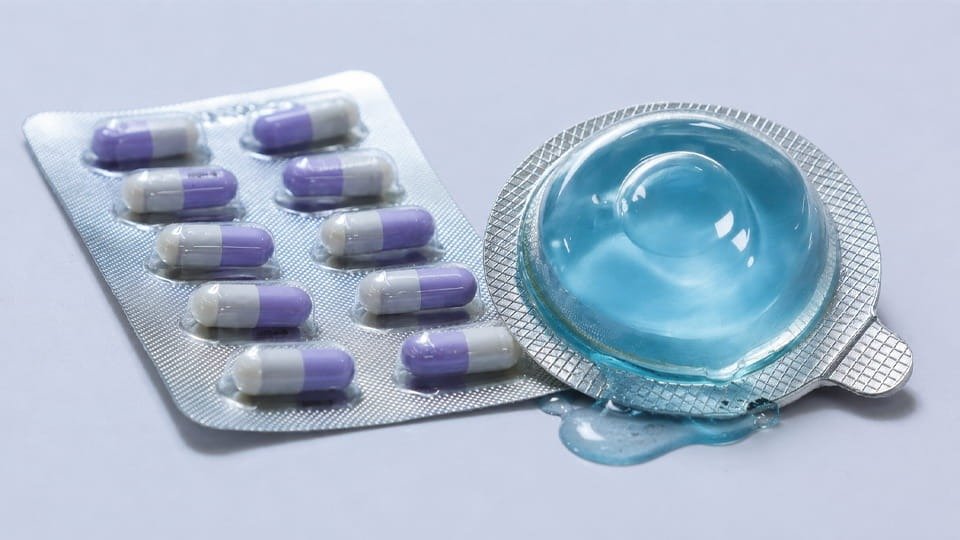
- Buccal or sublingual misoprostol: Allow the tablets to dissolve for 30 minutes, then swallow any remaining pieces as instructed. You can eat and drink afterward.
- Vaginal misoprostol: You can eat before or after insertion because food does not affect absorption through the vagina.
- Swallowed tablets: Follow the specific instructions provided by your healthcare professional.
You can generally eat before taking misoprostol, too. A light meal may help if you are prone to nausea.
Can I Eat Rice, Bananas, Bread, or Noodles After Misoprostol?
Yes, these foods are generally safe after taking misoprostol. Choose what feels comfortable for your stomach.
- Rice: Plain rice is a good option if you feel nauseated.
- Bananas: Easy to eat and provide carbohydrates and potassium.
- Bread or toast: May be easier to tolerate when your stomach feels unsettled.
- Noodles: Generally fine, especially if prepared without excessive oil or spice.
- Other foods: Eggs, soup, fruit, crackers, and regular meals are also fine if you tolerate them.
You do not need to force yourself to eat a full meal during strong cramps. Small portions are fine.
Can I Drink Milk or Tea After Taking Misoprostol?
Yes, you can generally drink milk or tea after taking misoprostol. Neither is known to cancel the medication’s effects.
- Milk: Generally safe, although dairy may worsen discomfort if you have diarrhea.
- Tea: Warm tea may feel soothing. If caffeine makes you nauseated or uncomfortable, choose a caffeine-free option.
- Water and electrolyte drinks: Helpful for maintaining hydration, particularly if you experience vomiting or diarrhea.
What Foods Should I Avoid After Taking Misoprostol?
There are no specific foods that are known to stop misoprostol from working. However, greasy or fried foods, very spicy meals, and alcohol may be best avoided if you feel nauseated, have diarrhea, are dizzy, or are dehydrated.
Stay hydrated and eat according to your appetite. For more recovery tips, see our guide to foods that help recovery after a medication abortion.
When Should I Seek Medical Advice?
Nausea, diarrhea, cramping, and bleeding can occur after misoprostol. Seek urgent medical care if you soak through two large pads per hour for two consecutive hours, experience fainting or severe persistent abdominal pain, or feel seriously unwell.
Contact your healthcare provider if you cannot keep fluids down or develop a fever that persists or begins more than 24 hours after misoprostol.
Read our guide to warning signs after an abortion for more information.
Clinical Support at Serenity Choice Health
If you have questions about eating, drinking, medication timing, or recovery, telehealth abortion care may help you access guidance from a healthcare professional.
Need personalized guidance after taking misoprostol? Book an appointment with Serenity Choice Health to discuss your questions confidentially.

Dr. James Carter is a board-certified physician and lead clinician at Serenity Choice Health, specializing in reproductive health access and medication abortion protocols. With over 20+ years of experience, he combines clinical expertise with patient-centered care to ensure safe, compassionate, and confidential reproductive healthcare.