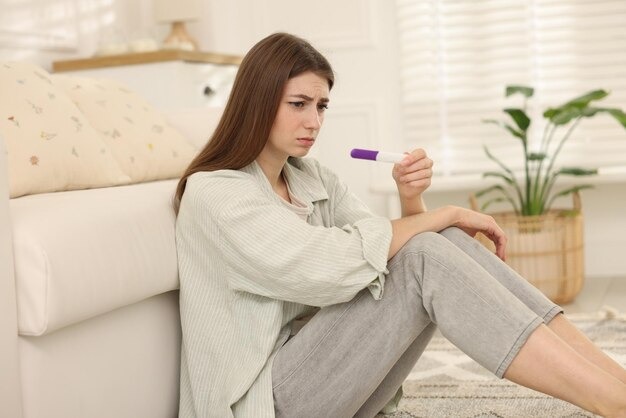

No, you should not smoke after taking abortion pills. Smoking during medication abortion recovery slows healing, increases nausea, and raises the risk of complications during an already physically demanding process.
How Smoking Affects the Abortion Pill Process
The abortion pill process places significant physical demands on the body. Introducing nicotine and carbon monoxide through smoking during this period creates additional physiological stress at a time when the body needs to focus entirely on recovery.
- Nicotine constricts blood vessels and reduces circulation to the uterus at a time when healthy blood flow supports tissue passage and healing.
- Carbon monoxide from cigarette smoke reduces the oxygen-carrying capacity of blood during a phase when your body is already under physical stress from heavy bleeding after the abortion pill.
- Smoking significantly worsens nausea, which is already a common side effect of misoprostol during medication abortion.
- Chemicals in cigarette smoke can interact with how the body metabolizes medication, potentially affecting the overall abortion pill effectiveness.
Smoking and Nausea After Misoprostol
Nausea is one of the most commonly reported side effects following misoprostol. Smoking directly aggravates this symptom and can make the peak phase of the abortion pill process considerably more uncomfortable than it needs to be.
- The smell and inhalation of cigarette smoke triggers or intensifies nausea responses in the gastrointestinal system during active misoprostol side effects.
- Vomiting caused or worsened by smoking during the absorption window of misoprostol raises concerns about whether the medication was fully absorbed. Read more about what happens if you vomit after taking the abortion pill.
- Dizziness is already a reported side effect after abortion pills, and smoking reduces oxygen levels in the blood, compounding lightheadedness during recovery.
How Long Should You Avoid Smoking After Abortion Pills
The most critical window to avoid smoking is the active recovery phase, which covers the first 24 to 48 hours after taking misoprostol when abortion pill bleeding and cramping are at their most intense.
- Avoiding smoking entirely for at least the first 48 hours after misoprostol gives the body the best conditions for completing the process without additional physical stress.
- If complete abstinence is not possible, significantly reducing smoking during the first week of recovery still meaningfully reduces the risks compared to smoking at normal levels.
- Heavy smokers should inform their provider before starting the abortion pill process so that personalized guidance can be given as part of pre-procedure care.
Smoking and Infection Risk During Recovery
During medication abortion recovery, the cervix remains slightly open to allow passage of pregnancy tissue. This creates a period of heightened vulnerability to infection that smoking worsens through its immune suppressing effects.
- Smoking suppresses the immune system’s ability to respond to bacterial threats at a time when the body is already managing an open cervical state.
- Reduced immune function from nicotine exposure makes it harder for the body to fight off ascending infections before they develop into more serious conditions.
- Knowing the warning signs after an abortion is especially important for smokers who continue smoking during recovery due to this elevated infection vulnerability.
What to Do Instead During Recovery
Managing cravings during abortion pill recovery is easier when you have practical alternatives ready before the process begins.
- Nicotine patches applied to the arm rather than any sensitive area provide a way to manage nicotine cravings without the respiratory and circulatory harms of smoking during recovery.
- Keeping hands and mouth occupied with water, light snacks, or gum during the peak cramping phase reduces the impulse to reach for cigarettes during the most intense part of the process.
- Rest, a heating pad, and ibuprofen taken proactively before abortion pill cramps begin address the physical discomfort that often drives stress smoking during recovery.
- Preparing a recovery space with everything you need within reach reduces the restlessness that makes resisting smoking harder during the first 24 hours after misoprostol.
Signs That Something May Be Wrong During Recovery
Whether you smoke or not, understanding the signs to go to the emergency room after taking the abortion pill allows you to identify problems early when they are most straightforward to treat.
- Fever above 100.4 degrees lasting more than 4 hours after initial misoprostol side effects have resolved requires same day clinical contact.
- Foul smelling discharge in the days following the procedure is the most consistent early indicator of uterine infection.
- Worsening rather than improving pelvic pain several days after medication abortion warrants provider evaluation that same day.
- Unusual shortness of breath or chest discomfort combined with heavy bleeding should be evaluated as an emergency. Know the full signs to go to the emergency room after the abortion pill.
If you have questions about smoking during recovery or want clinical guidance throughout your medication abortion, book a confidential consultation at Serenity Choice Health today.

Dr. James Carter is a board-certified physician and lead clinician at Serenity Choice Health, specializing in reproductive health access and medication abortion protocols. With over 20+ years of experience, he combines clinical expertise with patient-centered care to ensure safe, compassionate, and confidential reproductive healthcare.