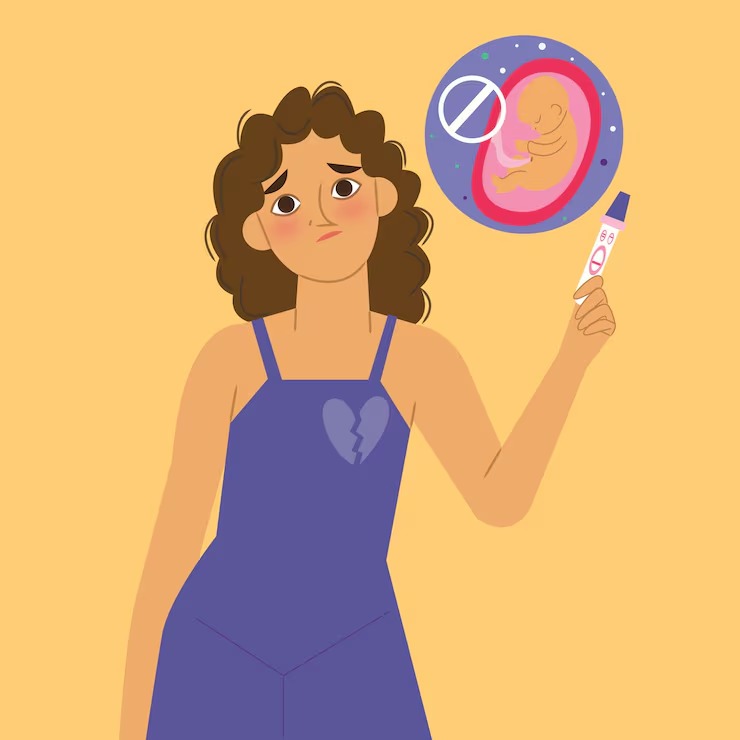

No, you cannot have a true menstrual period while pregnant. But the more important clinical truth is that bleeding during pregnancy is common enough that many people genuinely believe they are still getting their period when they are actually pregnant.
Understanding the difference matters because mistaking early pregnancy bleeding for a period is one of the most common reasons pregnancies go undetected longer than expected.
Why a True Period Cannot Happen During Pregnancy
A menstrual period is the shedding of the uterine lining that occurs when a pregnancy does not implant. The hormonal trigger for this shedding is a drop in progesterone and estrogen following an unfertilized cycle.
When pregnancy occurs, hCG produced by the implanting embryo signals the body to maintain progesterone levels. The uterine lining does not shed. A true period cannot occur because the hormonal cascade that causes menstruation is actively suppressed by pregnancy hormones.
This is also why pregnancy tests detect hCG specifically. Rising hCG is the hormonal signal that distinguishes pregnancy from a non pregnant cycle.
What Bleeding During Pregnancy Actually Is
Bleeding during pregnancy is not menstruation. It has specific clinical causes that are distinct from a menstrual period.
Implantation bleeding occurs when the fertilized egg implants into the uterine lining approximately 6 to 12 days after conception. This produces light spotting or pink discharge that many people mistake for an early or light period. It typically lasts 1 to 3 days and is significantly lighter than a normal period.
Subchorionic hemorrhage is bleeding from a small collection of blood between the uterine wall and the gestational sac. It is one of the most common causes of first trimester bleeding and can produce enough bleeding to resemble a light period.
Cervical sensitivity during pregnancy causes the cervix to become more vascular and sensitive. Minor trauma including sexual intercourse or a pelvic exam can cause light bleeding that has no clinical significance but resembles spotting.
Hormonal breakthrough bleeding occurs when pregnancy hormone levels are not yet high enough to completely suppress the normal hormonal cycle pattern. This can produce scheduled bleeding around the time a period would normally be expected, creating the convincing impression of a normal period occurring during pregnancy.
Threatened miscarriage produces bleeding that can range from light spotting to heavier flow and is sometimes accompanied by cramping. This requires clinical evaluation to determine whether the pregnancy is continuing. Read more about signs to go to the emergency room after taking the abortion pill for bleeding patterns that warrant urgent evaluation.
Why This Matters Clinically
Mistaking pregnancy bleeding for a period delays pregnancy recognition in ways that have real consequences.
- Delayed pregnancy recognition means delayed decision making about unplanned pregnancy options.
- It means continued exposure to medications, substances, or activities that would be avoided with known pregnancy.
- For medication abortion specifically, gestational age at the time of the procedure directly affects both effectiveness and the intensity of the process. Earlier is consistently better. Read more about when is the best time to have an abortion.
- The abortion pill is FDA approved through 10 weeks. Delayed recognition reduces the available window for medication abortion specifically.
How to Tell the Difference Between Pregnancy Bleeding and a Period
Certain characteristics distinguish early pregnancy bleeding from a true menstrual period.
- Volume is typically significantly lighter with implantation bleeding or early pregnancy spotting than a normal period.
- Color tends toward pink or brown rather than the bright red of a normal menstrual flow.
- Duration is typically shorter than a normal period, often 1 to 3 days rather than the usual 4 to 7 days.
- Consistency lacks the progressive buildup and tapering pattern of a normal menstrual period.
- Clots are typically absent with implantation bleeding compared to normal menstrual flow.
- Accompanying symptoms including breast tenderness, nausea, fatigue, and frequent urination alongside unusual light bleeding are signals worth taking seriously.
When to Take a Pregnancy Test
If your bleeding seems lighter, shorter, or different from your normal period in any way, a pregnancy test is warranted before assuming menstruation has occurred.
- Home pregnancy tests detect hCG as early as 10 to 14 days after conception.
- Testing on the first day of expected period or after missed or unusual bleeding provides reliable results in most cases.
- A negative home test with continuing pregnancy symptoms warrants a blood test for more sensitive hCG detection. Read more about can the pill hide pregnancy and how hormonal contraception affects pregnancy recognition.
- Read more about how pregnant am I and how gestational age is calculated from your last menstrual period.
Bleeding on Birth Control
Hormonal contraception adds another layer of complexity to recognizing pregnancy bleeding.
- Combined oral contraceptives cause withdrawal bleeding during the placebo week that resembles a period but is not true menstruation even in non pregnant cycles.
- The birth control shot commonly causes amenorrhea making period tracking unreliable as a pregnancy indicator.
- Hormonal IUDs, implants, and other methods alter bleeding patterns in ways that make distinguishing pregnancy bleeding from contraceptive related spotting genuinely difficult without testing.
- If you are on hormonal contraception and experience any bleeding that feels different from your normal contraceptive pattern, a pregnancy test provides more reliable information than bleeding pattern analysis alone.
If Your Test Is Positive
A positive pregnancy test alongside what you believed was a period is worth prompt clinical evaluation for two reasons.
- Confirming gestational age accurately requires ultrasound or clinical assessment, not calculation from a period that may have been implantation bleeding rather than true menstruation.
- Understanding how far along you actually are determines what options are available and how much time you have to make decisions. Read more about how early you can have an abortion and what early gestational access looks like.
If You Are Facing an Unplanned Pregnancy
Discovering a pregnancy after believing you were having normal periods is disorienting and often frightening. You are not alone in this experience and you have options worth understanding clearly before making any decisions.
Read more about what to do if you are one month pregnant and don’t want a baby and unplanned pregnancy options for a complete picture of what is available.
At Serenity Choice Health we specialize exclusively in medication abortion, telehealth abortion, and in-person abortion services. If you have confirmed a pregnancy and want to understand your options or begin the process, our clinical team provides accurate gestational dating, personalized guidance, and full support throughout.
If you need clinical evaluation or want to discuss your situation with a provider, book a confidential consultation at Serenity Choice Health today.

Dr. James Carter is a board-certified physician and lead clinician at Serenity Choice Health, specializing in reproductive health access and medication abortion protocols. With over 20+ years of experience, he combines clinical expertise with patient-centered care to ensure safe, compassionate, and confidential reproductive healthcare.