
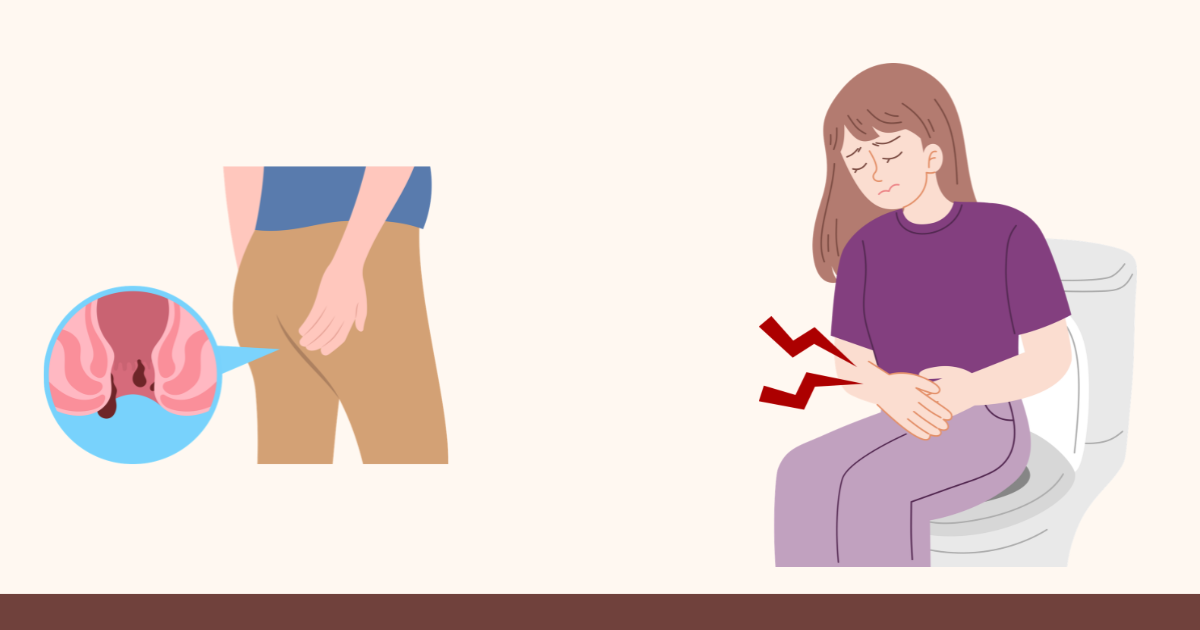
If you are experiencing constipation and anal pain after abortion pills, you may wonder whether the medication caused it or whether something is wrong.
Cramping, vaginal bleeding, nausea, vomiting, diarrhea, chills, and temporary gastrointestinal discomfort can occur during a medication abortion. Constipation, however, is not generally considered one of the characteristic direct effects of mifepristone and misoprostol.
That does not mean constipation cannot happen around the same time. Changes in fluid intake, eating, movement, routine, stress, or certain pain medicines can make bowel movements harder. Hard stool and straining can then irritate the anus and contribute to an anal fissure or hemorrhoid, both of which can cause pain during or after a bowel movement.
Most importantly, severe or unusual rectal, abdominal, or pelvic pain should not automatically be blamed on constipation. Some symptoms following abortion pills need prompt medical evaluation.
Is Constipation Normal After Abortion Pills?
Constipation can occur after a medication abortion, but it is not among the most typical direct effects of abortion pills.
The commonly used medication-abortion regimen involves mifepristone and misoprostol. Misoprostol stimulates uterine contractions and may also affect the gastrointestinal tract. If you want to understand the medication’s expected effects in more detail, read our guide to what to expect after taking misoprostol.
Digestive effects such as nausea and diarrhea after misoprostol are better-recognized than constipation.
If constipation develops, temporary circumstances surrounding the abortion may be more important than a direct medication effect.
Why Can Constipation Happen After Taking Abortion Pills?
Several factors may contribute.
Reduced Fluid Intake
Nausea, vomiting, diarrhea, tiredness, or simply not drinking as much as usual can reduce fluid intake. When the colon absorbs more water from stool, the stool becomes harder and more difficult to pass.
If you have also experienced vomiting after misoprostol, maintaining appropriate hydration becomes particularly important.
Changes in Eating
Some people eat less while experiencing cramping or nausea. A temporary decrease in food and fiber intake may change normal bowel habits.
When appetite returns, gradually returning to fruits, vegetables, legumes, whole grains, and other fiber-containing foods may help.
Less Physical Activity
Rest can be helpful when you are uncomfortable, but spending much more time sitting or lying down than usual can slow normal bowel activity in some people.
Gentle movement, when you feel well enough and have no medical reason to restrict activity, may help bowel regularity.
Pain Medicines or Other Medications
Some medications can contribute to constipation. Opioid pain medicines are particularly well known for slowing bowel movement. Iron supplements and certain other medications can also cause constipation.
If you are using medication to manage cramping or discomfort, our guide to abortion pain management explains pain-control considerations in more detail.
If you are unsure whether something you are taking may be contributing to constipation, ask a healthcare professional or pharmacist rather than stopping a prescribed medicine on your own.
Stress and Changes in Routine
Pain, anxiety, disrupted sleep, changes in eating patterns, and spending more time at home can all affect bowel habits.
Constipation That Is Unrelated to the Abortion
Sometimes constipation simply occurs at the same time as medication abortion. A pre-existing tendency toward constipation can become more noticeable during a period of altered eating, hydration, or activity.
Why Does My Anus Hurt After Abortion Pills?
The location and timing of the pain provide useful clues.
If the pain occurs mainly while passing a hard stool or immediately afterward, the cause may be an anal condition associated with constipation rather than the abortion medication itself.
For a more detailed look at symptoms specifically affecting this area, see our guide to anal or rectal pain after abortion.
Two constipation-related possibilities are especially relevant.
Anal Fissure
An anal fissure is a small tear in the tissue lining the anus. Passing a hard or large bowel movement can cause or aggravate one.
Typical symptoms can include:
- sharp, cutting, or tearing pain during a bowel movement;
- burning or pain that continues afterward; and
- a small amount of bright-red blood on toilet paper or on the outside of the stool.
Anal fissures are often painful because the affected area contains many sensitive nerve endings.
Hemorrhoids
Hemorrhoids are swollen vascular cushions in or around the anus. Constipation and repeated straining can aggravate hemorrhoid symptoms.
Possible symptoms include:
- anal pressure or discomfort;
- itching or irritation;
- bright-red bleeding with a bowel movement; and
- swelling or a lump near the anus.
A thrombosed external hemorrhoid can cause a suddenly painful, tender lump and may need clinical evaluation, particularly when the pain is severe.
Not All Rectal or Pelvic Pain Comes From Constipation
Pain that feels deep inside the pelvis or rectum, occurs even when you are not having a bowel movement, becomes progressively worse, or occurs together with significant abdominal symptoms deserves more caution.
If the discomfort feels more like intense uterine or abdominal cramping than anal pain, learn about potential causes of severe cramping after abortion pills.
Abortion medications do not treat an ectopic pregnancy, so serious or unusual symptoms should not be mistaken for ordinary constipation or an anal fissure.
What Can Help Constipation After Abortion Pills?
If symptoms are mild and you do not have warning signs, several conservative measures may help.
Drink Fluids Regularly
Drink enough fluids to replace normal losses, especially if you have experienced vomiting or diarrhea.
There is no single ideal amount for everyone. Medical conditions affecting the kidneys or heart can change fluid recommendations, so follow your clinician’s advice if you have been given fluid restrictions.
Increase Fiber Gradually
Helpful sources include:
- vegetables;
- fruit;
- beans and lentils;
- oats and other whole grains; and
- nuts and seeds, when appropriate for you.
Increasing fiber too quickly—particularly without enough fluid—can sometimes worsen bloating or discomfort. A gradual increase is usually more comfortable.
Avoid Straining
Try not to force a bowel movement.
Go when you feel a natural urge, and avoid sitting on the toilet for long periods while repeatedly pushing.
A small footstool that raises the knees slightly above the hips can provide a more comfortable position for some people.
Try Gentle Movement
Light walking can support normal bowel activity when you feel physically able to do it.
Follow any individual activity instructions given by your healthcare professional.
Use Warm Water for Anal Discomfort
If pain appears related to a fissure or irritated hemorrhoid, soaking the anal area in comfortably warm water may temporarily soothe discomfort.
Avoid extremely hot water and stop if it makes symptoms worse.
Can I Take a Laxative After Abortion Pills?
An oral over-the-counter constipation treatment may sometimes be appropriate, but the right choice depends on your medical history, medications, hydration status, and symptoms.
Polyethylene glycol (PEG) is an osmotic laxative commonly used to treat constipation in adults. It works by helping retain water in the stool.
However, an online article cannot determine whether a specific laxative is appropriate for you. Consider asking a pharmacist or clinician before taking one if:
- your abdominal pain is significant;
- you are vomiting;
- your abdomen is becoming swollen;
- you cannot pass gas;
- you have kidney or other significant medical problems;
- you are taking several medications; or
- you are uncertain whether the discomfort is actually constipation.
Stimulant laxatives can themselves cause abdominal cramping, which may make symptoms more difficult to interpret soon after medication abortion.
Avoid repeatedly treating severe abdominal or pelvic pain as constipation without medical evaluation.
Is the Blood From the Abortion or From the Anus?
This can be confusing because vaginal bleeding is expected after abortion pills, while constipation-related anal fissures or hemorrhoids may also produce bright-red blood.
Blood associated with an anal fissure or hemorrhoid is often noticed:
- during or immediately after a bowel movement;
- on toilet paper;
- on the outside of the stool; or
- around the anus.
Medication-abortion bleeding originates from the vagina and may continue independently of bowel movements. Our complete guide to bleeding after the abortion pill explains what bleeding patterns may occur and which changes deserve medical attention.
If you cannot confidently determine the source of bleeding—or the amount of bleeding concerns you—contact a healthcare professional. Do not assume rectal bleeding is harmless simply because constipation is present.
When Should I Contact a Healthcare Professional?
Contact your abortion provider or another qualified healthcare professional if:
- constipation persists despite reasonable self-care;
- bowel movements remain very painful;
- anal pain is worsening instead of improving;
- you repeatedly notice rectal bleeding;
- you develop a painful lump around the anus;
- pain occurs even when you are not having a bowel movement;
- you cannot determine whether bleeding is vaginal or rectal; or
- abdominal or pelvic symptoms are not following the recovery pattern your provider told you to expect.
Persistent symptoms may require an examination to distinguish constipation, an anal fissure, hemorrhoids, medication-related symptoms, and other medical conditions.
If you are unsure whether your overall recovery is progressing normally, learn whether you need follow-up after abortion pills.
Warning Signs After Abortion Pills That Need Prompt Medical Attention
Constipation or anal pain should not distract from important medication-abortion warning signs.
Seek prompt medical advice—and emergency care when symptoms are severe—if you experience:
- severe or progressively worsening abdominal or pelvic pain;
- severe one-sided pain, fainting, marked dizziness, weakness, or shoulder pain;
- very heavy vaginal bleeding, such as soaking two full-size pads per hour for two consecutive hours, or another amount your abortion provider told you requires urgent care;
- persistent fever or feeling significantly ill after the expected misoprostol-related chills or fever should have resolved;
- severe pain accompanied by fever or concerning vaginal discharge;
- repeated vomiting or an inability to keep fluids down;
- a swollen abdomen with vomiting and an inability to pass stool or gas;
- significant rectal bleeding or black, tar-like stool; or
- fainting, confusion, difficulty breathing, or other signs of a medical emergency.
Symptoms such as shoulder pain after abortion, especially when accompanied by one-sided abdominal pain, dizziness, or fainting, should be taken seriously.
Likewise, chills can occur temporarily after misoprostol, but it is important to understand the difference between expected chills after misoprostol and possible signs of infection.
Follow the emergency instructions provided with your medication because individual clinical circumstances may differ.
How Long Does Constipation or Anal Pain Last?
There is no single timeline.
Constipation caused by short-term changes in hydration, eating, medications, or activity may improve as normal routines resume. Anal irritation caused by a hard bowel movement may also settle as stools become softer.
An anal fissure can remain painful beyond the initial episode, however, particularly if hard stools continue to reopen the area.
Symptoms that persist, repeatedly return, or become more severe should be evaluated instead of being assumed to be a normal part of abortion recovery.
The Bottom Line
Constipation and anal pain after abortion pills can occur, but constipation is not usually considered a characteristic direct effect of mifepristone or misoprostol. Temporary changes in hydration, food intake, movement, routine, or other medications may be responsible.
When constipation leads to hard stool and straining, an anal fissure or hemorrhoid may explain sharp pain during bowel movements or small amounts of bright-red rectal bleeding.
The most important factor is the overall symptom pattern. Severe abdominal or pelvic pain, heavy bleeding, fainting, persistent illness, or other warning signs should be assessed promptly rather than treated as ordinary constipation.
If you are also uncertain whether the medication abortion was successful, review the signs that the abortion pill worked and follow the specific follow-up instructions provided by your healthcare professional.
Need Help Understanding Your Symptoms?
If you are unsure whether your symptoms are part of the expected recovery process, contact Serenity Choice Health or another qualified healthcare professional for individualized guidance. If symptoms are severe or suggest an emergency, seek emergency medical care rather than waiting for an appointment.
This article provides general health information and is not a substitute for diagnosis or individualized medical advice.
Frequently Asked Questions
Can abortion pills cause constipation?
Constipation is not generally considered a typical direct effect of mifepristone or misoprostol. However, reduced fluid or food intake, lower activity levels, changes in routine, or certain pain medications can contribute to constipation around the time of a medication abortion.
Can abortion pills cause anal or rectal pain?
Anal pain is not a typical direct effect of abortion pills. If constipation causes a hard bowel movement or straining, an anal fissure or irritated hemorrhoid may cause pain. Deep rectal or pelvic pain that is severe, persistent, worsening, or unrelated to bowel movements should be medically evaluated.
Why does it hurt when I poop after an abortion?
If stool has become hard or difficult to pass, it can stretch or irritate the anal canal. A fissure may produce sharp or burning pain during and after a bowel movement. Hemorrhoids can also become painful when irritated by straining. Persistent pain should be assessed by a healthcare professional.
Can constipation after abortion pills cause hemorrhoids?
Constipation and repeated straining can aggravate hemorrhoids and contribute to hemorrhoid symptoms. This is an indirect association rather than evidence that abortion medications themselves cause hemorrhoids.
What laxative can I take after abortion pills?
Over-the-counter options such as polyethylene glycol may be used for constipation in many adults, but the appropriate treatment depends on your symptoms, medications, and medical history. Ask a pharmacist or healthcare professional if you have substantial abdominal pain, vomiting, significant dehydration, other medical conditions, or uncertainty about the cause of your symptoms.
When is pain after abortion pills an emergency?
Seek prompt medical attention for severe or worsening abdominal or pelvic pain, fainting, significant dizziness or weakness, severe one-sided pain, very heavy vaginal bleeding, persistent illness or fever, repeated vomiting, or other symptoms your abortion provider identified as warning signs. These symptoms should not be assumed to come from constipation.
Evidence Basis for Medical Review
The clinical framing above is supported by medication-abortion guidance, systematic reviews, and colorectal guidelines. For publication, Serenity Choice Health should also have the page reviewed by an appropriately licensed clinician and display the reviewer’s real credentials and review date rather than creating a fictional medical reviewer.
- American College of Obstetricians and Gynecologists. (2020). Medication Abortion Up to 70 Days of Gestation: ACOG Practice Bulletin, Number 225. Obstetrics & Gynecology, 136(4), e31–e47. Link
- National Academies of Sciences, Engineering, and Medicine. (2018). The Safety and Quality of Current Abortion Methods. In The Safety and Quality of Abortion Care in the United States. National Academies Press. Link
- Jackson, E., & Kapp, N. (2011). Pain control in first-trimester and second-trimester medical termination of pregnancy: A systematic review. Contraception. Link
- Baraitser, P., Free, C., Norman, W. V., Lewandowska, M., et al. (2022). Improving experience of medical abortion at home in a changing therapeutic, technological and regulatory landscape: A realist review. BMJ Open, 12(11), e066650. Link
- Rodriguez, M. I., Edelman, A. B., Hersh, A., Gartoulla, P., et al. (2021). Medical abortion offered in pharmacy versus clinic-based settings: A systematic review. Contraception. Link
- Mullany, K., Minneci, M., Monjazeb, R., & Coiado, O. C. (2023). Overview of ectopic pregnancy diagnosis, management, and innovation. Women’s Health, 19, 17455057231160349. Link
- Davids, J. S., Hawkins, A. T., Bhama, A. R., et al. (2023). The American Society of Colon and Rectal Surgeons Clinical Practice Guidelines for the Management of Anal Fissures. Diseases of the Colon & Rectum, 66(2), 190–199. Link
- Hawkins, A. T., Davis, B. R., Bhama, A. R., et al. (2024). The American Society of Colon and Rectal Surgeons Clinical Practice Guidelines for the Management of Hemorrhoids. Diseases of the Colon & Rectum. Link
- Alavi, K., Thorsen, A. J., Fang, S. H., Burgess, P. L., et al. (2024). The American Society of Colon and Rectal Surgeons Clinical Practice Guidelines for the Evaluation and Management of Chronic Constipation. Diseases of the Colon & Rectum. Link
- Sandler, R. S., & Peery, A. F. (2019). Rethinking What We Know About Hemorrhoids. Clinical Gastroenterology and Hepatology. Link
- Picciariello, A., Rinaldi, M., Grossi, U., Verre, L., et al. (2022). Management and treatment of external hemorrhoidal thrombosis. Frontiers in Surgery, 9, 898850. Link

Dr. James Carter is a board-certified physician and lead clinician at Serenity Choice Health, specializing in reproductive health access and medication abortion protocols. With over 20+ years of experience, he combines clinical expertise with patient-centered care to ensure safe, compassionate, and confidential reproductive healthcare.