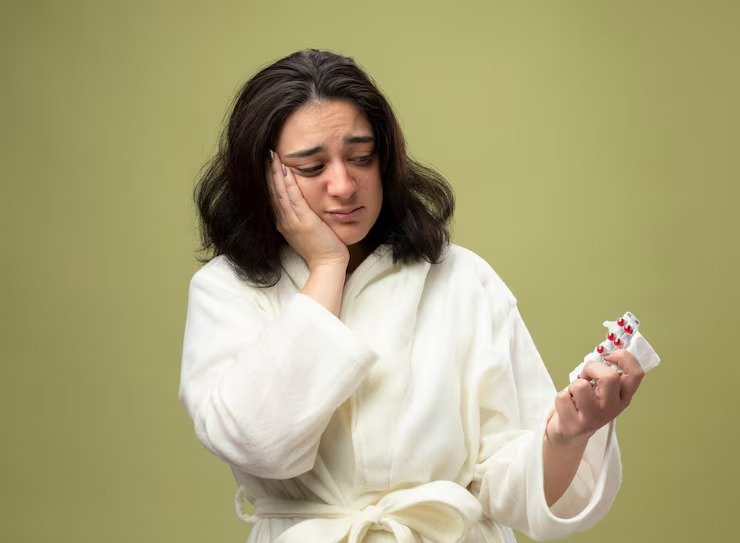

Experiencing sudden chills, shaking, or feeling unusually cold after taking abortion pills can be uncomfortable and frightening. You might start shivering even when the room is warm, feel cold despite wearing comfortable clothing, or notice your body trembling while experiencing abdominal cramps.
If this is happening after taking misoprostol, you are not alone. Chills and shivering are recognized side effects of misoprostol and are often temporary. They can occur alongside cramping, nausea, vomiting, diarrhea, and temporary changes in body temperature.
For many people, these symptoms improve as the medication’s immediate effects settle. However, not every episode of chills should automatically be considered normal. Persistent fever, worsening abdominal pain, or feeling increasingly unwell can indicate a complication that needs medical attention.
Understanding why chills happen, how long they may last, and what you can do to feel more comfortable can help you know what to expect and when to seek medical support.
Why Am I Shivering After Taking Misoprostol?
Misoprostol is a medication that belongs to a group of medicines called prostaglandin analogues. During medication abortion, it helps the uterus contract so that pregnancy tissue can be expelled.
However, misoprostol does not affect only the uterus. It can also produce temporary effects throughout the body, including chills, shivering, and fever.
Prostaglandins are involved in several bodily processes, including smooth muscle activity and temperature regulation. The effects of misoprostol can therefore contribute to temporary changes in how your body feels and responds to temperature.
You may experience:
- Sudden chills or a cold sensation.
- Shivering or shaking without feeling particularly cold.
- Goosebumps or trembling.
- Temporary fever.
- Sweating after an episode of chills.
- Abdominal cramping alongside shivering.
These reactions vary from person to person. Some people experience mild chills, while others notice more intense shaking.
Why do some people experience stronger chills?
There is no single explanation for why one person experiences more noticeable shivering than another.
Individual responses may vary according to the prescribed regimen, route of administration, dose, and personal sensitivity to the medication.
The important thing to remember is that the intensity of shivering alone does not tell you whether the abortion medication is working or whether a complication has occurred.
Is It Normal to Feel Cold After Taking Abortion Pills?
Yes. Feeling cold after taking abortion pills can be a temporary medication-related effect, particularly after taking misoprostol.
You may notice that your body suddenly feels cold, even when the surrounding temperature has not changed.
Some people describe the experience as:
- Feeling cold from the inside.
- Experiencing chills despite being under a blanket.
- Shaking or trembling unexpectedly.
- Having cold sensations together with abdominal cramps.
- Feeling hot and cold at different times.
These experiences can occur during the period when misoprostol is producing its effects.
Is feeling cold the same as having a fever?
No. Feeling cold, experiencing chills, and having a fever are related but different experiences.
| Experience | What it means |
|---|---|
| Feeling cold | A sensation of coldness without necessarily having an elevated temperature |
| Chills | A feeling of coldness that may occur with or without shaking |
| Shivering | Involuntary muscle movements that produce warmth |
| Fever | An objectively elevated body temperature |
You can experience chills without having a measured fever. You can also experience shivering alongside a temporary increase in temperature.
If you feel unusually cold or start shaking, check your temperature with a thermometer if possible.
This is more reliable than deciding whether you have a fever based only on how your body feels.
How Long Does Shivering Last After Taking Misoprostol?
Shivering after taking misoprostol is usually temporary, but its duration differs between individuals.
Chills may begin during the first several hours after taking the medication and often improve as its immediate effects settle.
You may experience other symptoms at the same time, including abdominal cramps, nausea, vomiting, or diarrhea.
The following table provides a general overview:
| Time period | Possible experience |
|---|---|
| First few hours | Chills, shivering, cramping, and other medication-related effects may begin |
| During the strongest effects | Shivering may occur alongside more noticeable cramps and other symptoms |
| As the immediate effects settle | Chills and shaking may gradually improve |
| Over the following day | Many immediate medication-related symptoms have improved, although experiences vary |
This is not a guaranteed schedule. Not everyone experiences the same symptoms or follows the same timeline.
What if shivering continues for longer than expected?
Do not assume that prolonged chills or fever are simply part of the abortion process.
According to the FDA-approved Mifeprex Medication Guide, you should contact a healthcare professional if you have a temperature of 100.4°F (38°C) or higher that lasts for four hours or more.
The guide also identifies feeling sick, including weakness, nausea, vomiting, or diarrhea, for more than 24 hours after taking misoprostol as a reason to contact a healthcare professional.
Seek medical advice sooner if symptoms are severe, worsening, or accompanied by other concerning signs.
How Can I Stop Shivering After Taking Misoprostol?
Although you may not be able to prevent chills completely, some simple comfort measures can help you feel more comfortable.
1. Keep yourself comfortably warm
If you begin feeling cold, wear comfortable clothing or use a light blanket.
You can adjust your clothing and room temperature according to your comfort.
Avoid excessive layering if you have a fever or begin sweating.
2. Rest somewhere comfortable
Shivering and abdominal cramping can make you feel physically exhausted.
Find a comfortable place to rest while the immediate medication effects settle.
If you feel dizzy or weak, avoid standing or walking without assistance.
3. Drink enough fluids
Vomiting and diarrhea can contribute to dehydration.
Drink water or other suitable fluids regularly, using small sips if you feel nauseated.
If you are also experiencing vomiting, read our guide on vomiting after misoprostol for more information about this related side effect.
4. Check your body temperature
If you experience chills, measure your temperature using a thermometer.
This helps you distinguish a cold sensation from an actual fever.
Keep track of:
- Your measured temperature.
- When the shivering began.
- How long it has continued.
- Whether other symptoms are developing.
This information can help your healthcare provider assess your symptoms.
5. Follow your healthcare provider’s instructions
If your healthcare provider has recommended medication to manage pain or other side effects, follow their instructions.
Do not take extra misoprostol or change your prescribed medication regimen to try to stop shivering.
If the shaking is severe, continues without improvement, or occurs alongside fever or other warning signs, seek medical advice.
Can Misoprostol Cause Chills Without a Fever?
Yes. You can experience chills and shivering after misoprostol without having a measured fever.
For example, you might feel cold and begin trembling while your thermometer shows a normal temperature.
This does not necessarily mean something is wrong.
However, it is important to understand that the absence of fever does not automatically rule out an infection or another complication.
Pay attention to the overall pattern of symptoms.
If you experience increasing abdominal pain, foul-smelling vaginal discharge, unusual weakness, or feel progressively unwell, contact a healthcare professional even if your temperature is normal.
When Are Chills After Taking Abortion Pills a Warning Sign?
Although chills and shivering are recognized side effects of misoprostol, certain symptoms require medical attention.
The important distinction is whether symptoms are improving or becoming worse, and whether other concerning symptoms are present.
Signs that require medical attention
Persistent fever
A temperature of 100.4°F (38°C) or higher lasting four hours or more requires medical attention according to the FDA-approved Mifeprex Medication Guide.
Worsening abdominal pain
Severe or worsening abdominal pain should not automatically be attributed to ordinary medication-related cramping.
Foul-smelling vaginal discharge
Unusual or foul-smelling discharge, particularly when accompanied by fever or pelvic pain, needs medical assessment.
Feeling increasingly unwell
Persistent weakness, nausea, vomiting, or diarrhea beyond 24 hours after misoprostol warrants prompt medical advice.
Very heavy vaginal bleeding
Seek immediate medical attention if you soak through two full-size sanitary pads per hour for two consecutive hours.
When should you seek emergency care?
Seek emergency medical attention if you experience:
- Fainting or collapse.
- Severe abdominal pain.
- Severe weakness or significant dizziness.
- Difficulty breathing.
- Other sudden or serious symptoms.
Do not wait for chills or fever to last a certain number of hours if you are experiencing an emergency.
Does Shivering Mean the Abortion Pills Are Working?
No. Shivering alone is not a reliable indication that the abortion medication has worked.
Misoprostol can cause chills and other temporary side effects, but experiencing these symptoms does not confirm that the pregnancy tissue has been completely expelled.
Similarly, not experiencing chills does not mean that the medication has failed.
The completion of a medication abortion should be assessed according to the recommended follow-up process, which may involve a pregnancy test, clinical assessment, or ultrasound when appropriate.
If you want to understand the different changes people may experience during medication abortion, read our guide to 7 signs the abortion pill is working.
If you have not experienced bleeding after taking misoprostol, this is a separate concern that should be assessed according to your provider’s instructions. Our guide explains what to know about no bleeding after misoprostol.
Are Mifepristone and Misoprostol Side Effects Different?
Yes. Although both medications are used during a medication abortion, they have different functions.
Mifepristone
Mifepristone blocks progesterone, a hormone that helps maintain pregnancy.
Some people experience mild nausea, spotting, fatigue, or abdominal discomfort after taking it. Others may not notice significant symptoms.
Misoprostol
Misoprostol causes uterine contractions that help expel pregnancy tissue.
It is more commonly associated with immediate physical effects such as:
- Abdominal cramping.
- Vaginal bleeding.
- Chills and shivering.
- Nausea and vomiting.
- Diarrhea.
- Temporary fever.
This is why many people notice chills or shivering after taking misoprostol.
However, the timing and intensity of symptoms vary, and symptoms alone cannot confirm whether the abortion is complete.
Final Thoughts
Chills, shivering, and feeling unusually cold after taking abortion pills can be uncomfortable, but they are recognized side effects of misoprostol and are often temporary.
The most important things to understand are:
- Misoprostol can cause chills and shivering.
- You can feel cold without having a measured fever.
- Shivering often improves as the immediate medication effects settle.
- Staying comfortable, resting, drinking fluids, and monitoring your temperature may help.
- Persistent fever, worsening abdominal pain, heavy bleeding, or feeling increasingly unwell should never be ignored.
You do not have to dismiss your concerns or wait until symptoms become severe before asking for medical help.
If something does not feel right, contact a qualified healthcare professional for guidance.
Your health, comfort, and safety should always come first.
Medical disclaimer: This article provides general educational information and is not a substitute for individualized medical advice, diagnosis, or treatment. Always follow the instructions provided by your healthcare professional.
Medical references for editorial review
The medical claims should be checked against these clinical and research sources before publication.
-
World Health Organization (2022). Abortion Care Guideline. WHO.
-
World Health Organization (2023). Clinical Practice Handbook for Quality Abortion Care. WHO.
-
American College of Obstetricians and Gynecologists (2020). Medication Abortion Up to 70 Days of Gestation. ACOG.
-
U.S. Food and Drug Administration (2023). Mifeprex Prescribing Information and Medication Guide. FDA.
-
Jackson, E., & Kapp, N. (2011). Pain control in first-trimester and second-trimester medical termination of pregnancy: A systematic review. Contraception. Research.
-
Chu, C. S., Brhlikova, P., & Pollock, A. M. (2012). Rethinking WHO guidance: Review of evidence for misoprostol use in the prevention of postpartum haemorrhage. Journal of the Royal Society of Medicine. Research.
-
Klingberg-Allvin, M., et al. (2015). Comparison of treatment of incomplete abortion with misoprostol by physicians and midwives at district level in Uganda: A randomised controlled equivalence trial. The Lancet. Research.
-
Behroozi-Lak, S., et al. (2018). Evaluation of effect of letrozole prior to misoprostol in comparison with misoprostol alone in success rate of induced abortion. Research.
-
Johnson, B. R., et al. (2018). Provision of medical abortion by midlevel healthcare providers in Kyrgyzstan. Contraception. Research.
-
Kapp, N., et al. (2019). Medical abortion in the late first trimester: A systematic review. Contraception. Research.
-
Pirrami, R. G., & Reinert, J. P. (2025). Mifepristone and misoprostol compared to misoprostol alone for the resolution of miscarriage and intrauterine fetal death: A systematic review and meta-analysis. Annals of Pharmacotherapy. Research.
Evidence qualification: Some studies above concern incomplete abortion, miscarriage, or postpartum use rather than first-trimester medication abortion specifically. They provide contextual evidence about misoprostol and its effects, not a direct estimate of shivering frequency or duration in every medication-abortion regimen.

Dr. James Carter is a board-certified physician and lead clinician at Serenity Choice Health, specializing in reproductive health access and medication abortion protocols. With over 20+ years of experience, he combines clinical expertise with patient-centered care to ensure safe, compassionate, and confidential reproductive healthcare.