
Mifeprex (Mifepristone) is a medication from the US FDA to safely terminate your early pregnancy. Mifepristone is the initial and first step in a two drug regimen that is referred to as medical abortion (mifepristone/misoprostol), with the second step being the use of misoprostol (the second drug).
For 20 years people have taken this two drug regimen worldwide without any problems and extensive clinical research demonstrates that the mifepristone/misoprostol combination can be highly effective and safe to use in the early stages of pregnancy (10-11 weeks gestation).
If you understand how mifepristone functions within your body, what to anticipate following your use of the medication, and how it fits into a complete medical abortion process, you will be more knowledgeable and confident in making this important choice.
This complete guide will provide you with comprehensive information on:
- How mifepristone functions in your body.
- Use for mifepristone.
- If it will make you bleed.
- Duration of side effects of mifepristone.
- If mifepristone is used but no misoprostol is administered.
- Time questions: Can you take misoprostol right after mifepristone?
- Safety, risks, and effectiveness data.
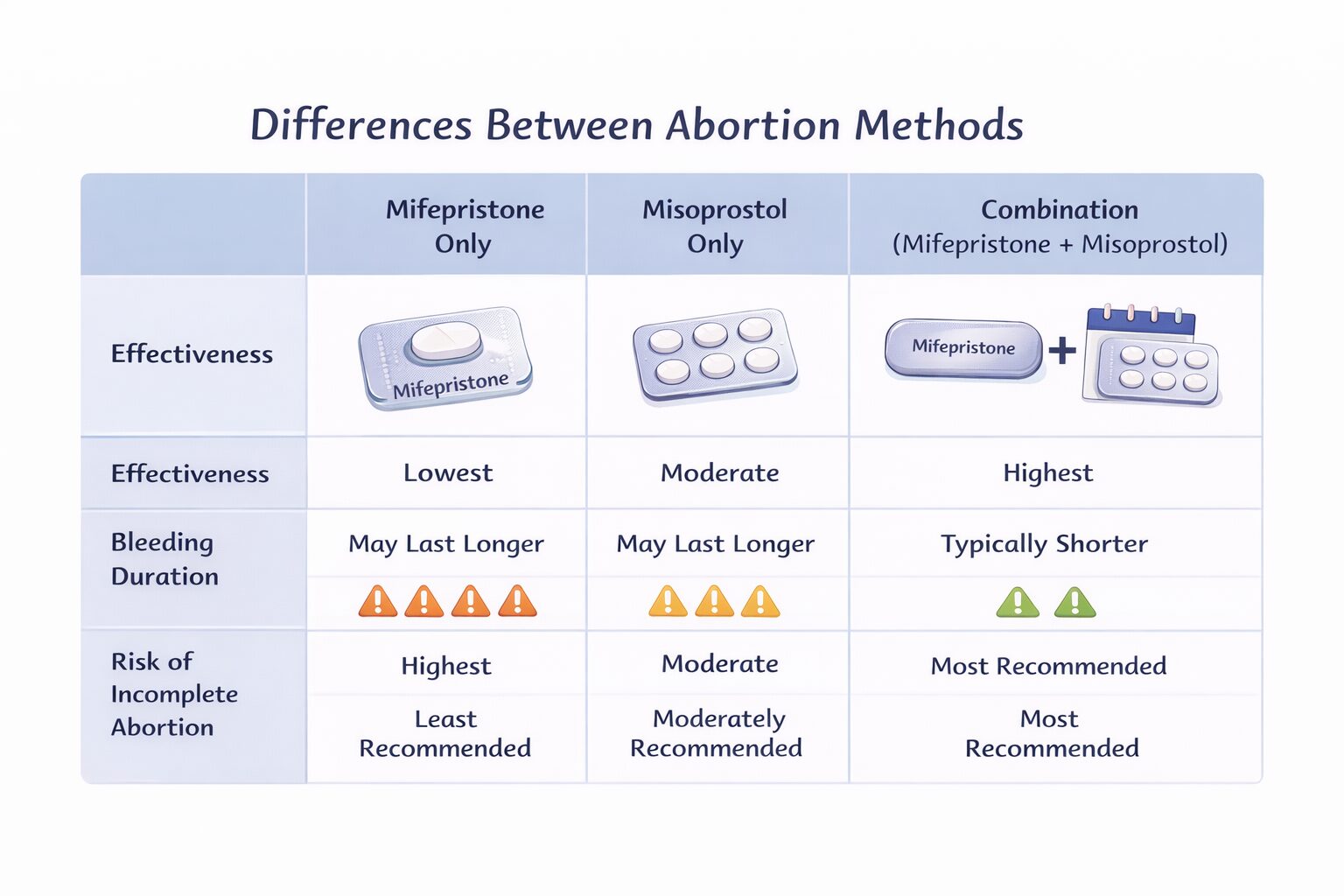
- Differences between mife-only, miso-only and mife+miso combination regiment.
How Mifepristone Works
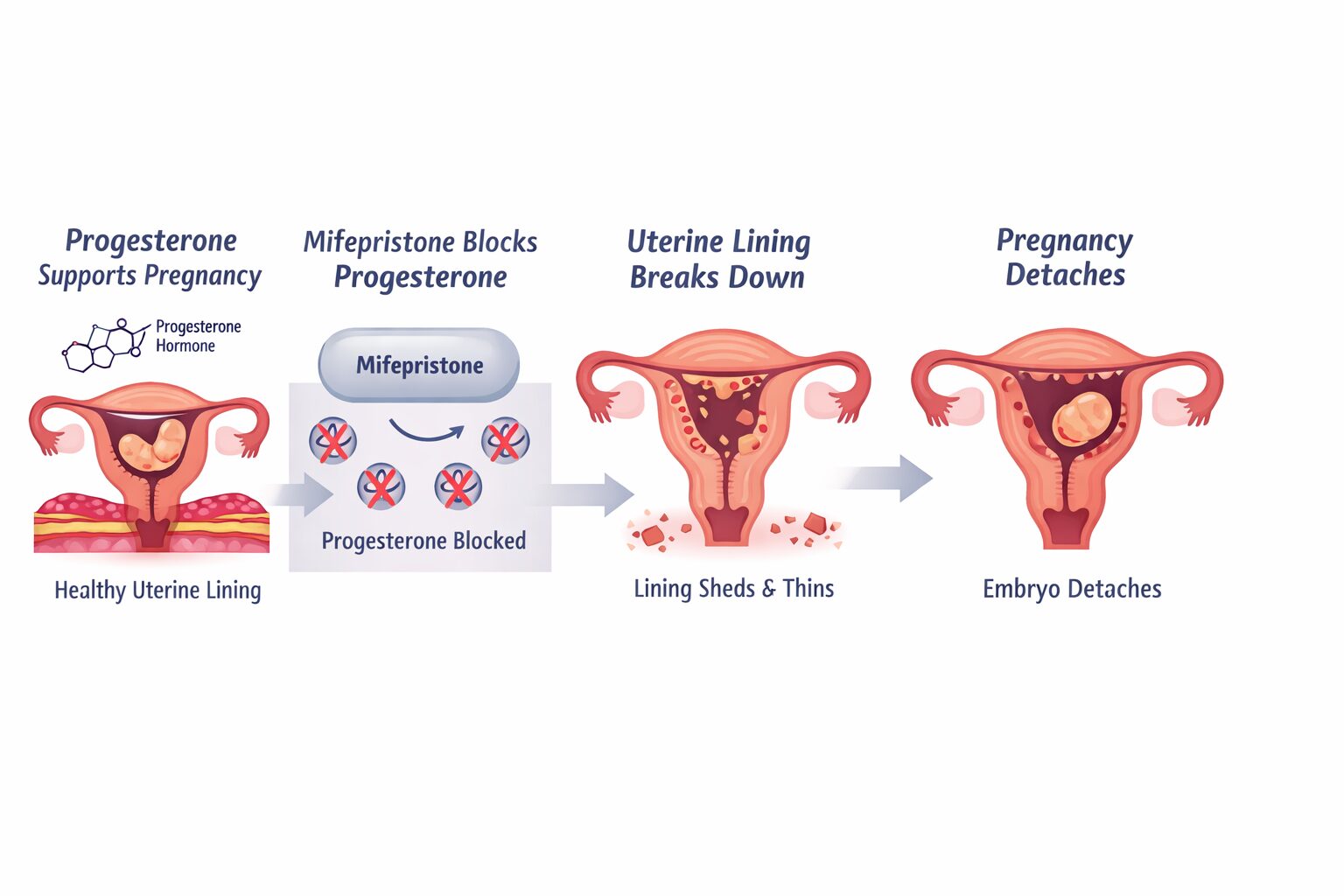
Understanding the drug mifepristone can help you understand the hormone progesterone. Progesterone is the hormone that maintains a pregnancy by providing several functions, including:
- It makes the lining of the uterus thicker and more stable.
- It stops the uterus from contracting.
- It helps the early embryo develop.
Mifepristone is an antagonist of the progesterone receptor. This means that it blocks the binding of progesterone to its receptor in the uterus. When progesterone is blocked, several things happen:
- The lining of the uterus begins to break down.
- The pregnancy separates from the uterus wall.
- Hormonal support is no longer provided for the pregnancy.
- The cervix begins to soften and open.
However, mifepristone alone does not usually produce strong contractions in the uterus; this is the purpose of the medication misoprostol. Misoprostol causes the uterus to contract, allowing it to discharge its contents. When taken together in a timing sequence—the mife/miso protocol—these two medications are used one after the other:
- Mifepristone will stop the development of a pregnancy following ovulation.
- Misoprostol will complete the termination process.
This two-step action explains how a medical abortion is successful.
What Is Mifepristone Used For?
Medical Uses of Mifepristone Include:
- To terminate a pregnancy
- To manage early pregnancy loss
- To prepare the cervix for certain procedures
When using mifepristone and misoprostol as abortion options, mifepristone is taken first, then misoprostol is taken 24-48 hours later.
Some patients want to know if they can take misoprostol by itself. Misoprostol by itself can be an effective method for abortion and is an accepted medical practice, however:
- The combination method (mifepristone and misoprostol) is slightly more effective
- The amount of time bleeding lasts is likely to be shorter using both medication
- The likelihood of having an incomplete abortion is likely to be lower using both medications
For eligible women, the combination of mifepristone and misoprostol as an abortion method will be the preferred treatment method when the combination is readily available.
What Are the Negative Effects of Mifepristone?
There’s a clear difference between the two medications—mifepristone typically has fewer noticeable side effects than misoprostol.
The possible negative effects may include:
- Mild nausea
- Headache
- Tiredness
- Light discomfort in your abdomen
- Spotting
Rarely, severe side effects can occur when only using mifepristone.
Since mifepristone works through hormones, rather than causing contractions, many people don’t experience any symptoms after taking it.
What Are the Side Effects of Mifepristone?
Does Mifepristone Make You Bleed?
A commonly asked question is whether mifepristone causes bleeding.
It can — but usually very lightly.
After taking mifepristone, you may experience light spotting or mild bleeding within hours or up to a couple of days, but heavy bleeding generally will not occur until misoprostol has been taken.
If you are asking “Is it normal to have bleeding after taking mifepristone?” — Yes, light bleeding is expected and not a cause for concern.
It’s also possible to experience bleeding in some instances prior to taking misoprostol; if this does happen, take misoprostol unless specifically instructed by your health care provider.
How Long Do Mifepristone Side Effects Last?
When wondering how long mifepristone-related symptoms persist, the response is usually; “not long!”.
For most people:
- Have No Symptoms.
- Continue to perform their daily activities as normal.
- Will not cramp until after taking the Misoprostol.
Severe symptoms — heavy cramps and bleeding — arise from the Misoprostol, not from the Mifepristone.
What Is a Medication Abortion?
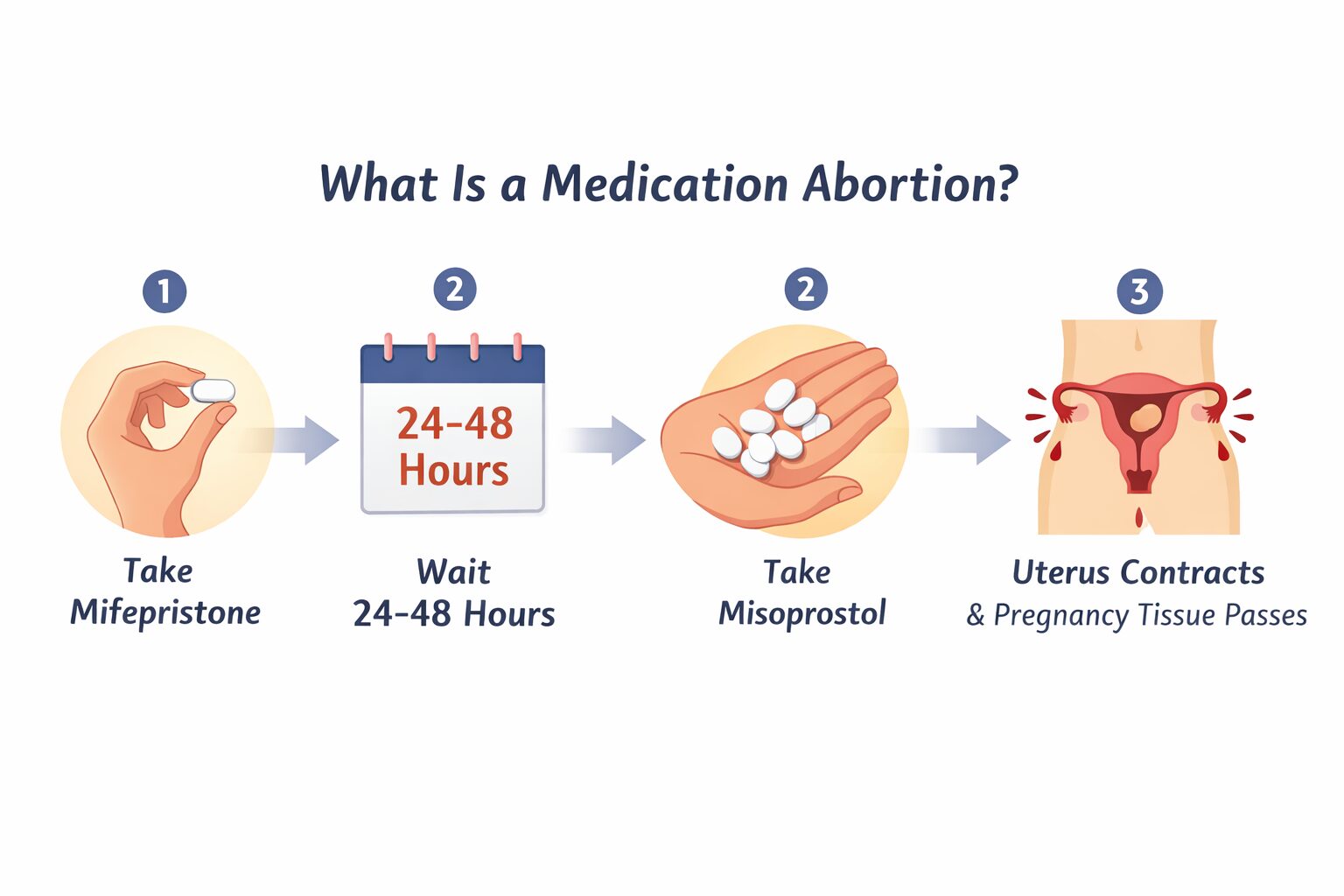
Two medicines are used in a medication abortion. They are:
- Mifepristone (also known as RU-486) which inhibits the hormone, progesterone, and
- Misoprostol which causes the uterus to contract.
This is commonly referred to by the term mifemoso.
Rates of effectiveness for medication abortions are quite high; between 95% – 99% effective if performed within the first 8 weeks of pregnancy, slightly less effective between 10-11 weeks of pregnancy. You can review the full abortion pill effectiveness chart for a complete breakdown by gestational week.
A medication abortion typically takes place over a period of 1 – 3 days and can usually be done at home with the help of a medical provider.
Most women report experiencing contractions similar to having a heavy menstrual bleeding or a pregnancy loss when having a medication abortion.
How Quickly Is Mifepristone Absorbed?
When taken orally, Mifepristone is absorbed by the body in approximately 1 to 2 hours, so when absorbed:
- Progesterone receptor blockade begins.
- Destabilization of the uterine lining begins.
- Decrease in hormonal support is rapid.
Even though you have no symptoms now, the mifepristone will have already begun acting at the cellular level.
How Long Does a Medication Abortion Take?
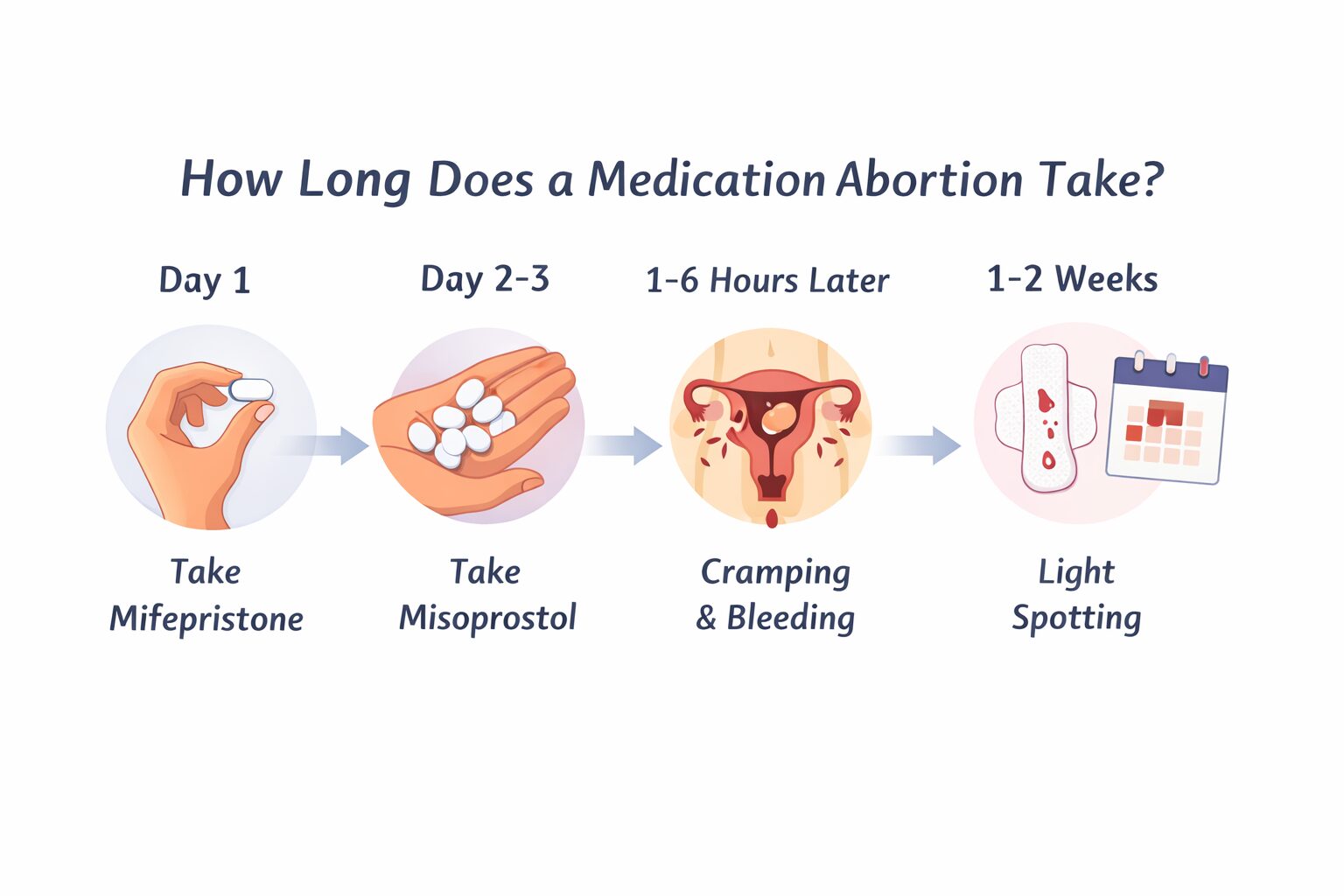
Typically, the timeline for the abortion pill is:
- Day 1: Mifepristone is taken.
- 24 to 48 hours later: Misoprostol is taken.
- 1 to 6 hours after misoprostol is taken: Cramping and bleeding will occur.
Heavy bleeding can last for several hours, then lighter bleeding and spotting can last for another week or two.
Can You Take Misoprostol Straight After Mifepristone?
While some research indicates that shorter intervals can still work, the majority of clinics recommend waiting around 24 hours after taking mifepristone.
Waiting for this time will allow the progesterone block to continue weakening the pregnancy before the contractions start.
Can I Take Misoprostol After 24 Hours of Mifepristone?
Yes, waiting 24 to 48 hours after taking misoprostol is the common practice and is very effective.
You can receive misoprostol safely and effectively up to about 48 hours after taking mifepristone, but be sure to check with your medical professional for exact timeframes.
What Happens If You Take Mifepristone But Not Misoprostol?
Mifepristone alone is effective; it will cause a number of outcomes if a woman takes it without misoprostol, including:
- The pregnancy can continue.
- Light bleeding can occur.
- There is the possibility of partial detachment.
- An incomplete abortion.
Mifepristone’s effectiveness as an abortion method is diminished greatly compared to taking both mifepristone and misoprostol.
If the woman does not take misoprostol, she should receive follow-up care for the effects of mifepristone. Read our full guide on when abortion pills don’t work for a complete breakdown of what to do next.
What Is a Procedural Abortion?
Suction is a method of removing fetal tissue by means of suction in a medical office through a procedure called abortion.
The major differences include:
Abortion by medication:
- Takes place over multiple days
- Involves heavier bleeding at home
- More privacy
- Completed all in one appointment
- Shorter duration of bleeding in comparison to medication abortion
- Very little home care necessary
Both types of abortions are safe and effective.
How Long Can I Wait to Have an Abortion?
Making a decision about your abortion as soon as possible will result in having many options for abortion, depending on your gestational age and the abortion laws in your area.
Medication abortion is generally available to those who are 10-11 weeks (i.e. from the first day of their last period) along in their pregnancy. If you are considering having a medication abortion, it is critical that you access care for that procedure as soon as possible in your first trimester. Depending on where in the country you live, some laws may pose additional restrictions on your ability to have access to abortion procedures sooner than 10-11 weeks along in pregnancy; therefore, a timely consultation is even more critical.
After the time frame at which medication abortion services are provided has expired, you may receive a recommendation from your healthcare provider for a surgical (in clinic) abortion option to be performed. You should contact your healthcare provider for information regarding local laws that govern procedural abortion services in your area.
Buying Mifepristone and Misoprostol Together Online?
Safe accessibility through telehealth has increased dramatically for patients who wish to receive medication and would typically obtain:
- Licensed Vendors
- Medical Screening
- Non-Verified Online Sources
While it is possible to effectively use misoprostol without mifepristone, the combined methods are generally more effective and have a higher degree of predictability.
Safety and Effectiveness Data
Results of larger studies indicate:
- <0.50% rate of serious complications
- Rare need for surgery as an emergency
- Very low mortality rates
Medication abortion is considered safer than childbirth and comparable in safety to miscarriage management.
When to Seek Emergency Care
Go to the doctor if you have:
- Soaking 2 or more tampons/hour for 2 hours in a row
- Fever >100.4°F for 24+ hours
- Severe abdominal pain that doesn’t go away with medications
- Discharge smells bad
- Signs of ectopic pregnancy (sharp pain one-sided, faintness, or sharp shoulder pain)
These problems are rare, but they need to be checked out. Review our complete guides on signs to go to the emergency room after taking the abortion pill and warning signs after an abortion when to call your doctor so you always know when to seek urgent care.
How to Get Mifepristone at Home
Eligible patients may use confidential telehealth services at Serenity Choice Health to obtain medication abortions.
The process involves:
- Online medical screening
- Provider consultation
- Prescriptions for Mifepristone and Misoprostol
- Shipping in discreet packaging
- 24/7 support throughout the process
Why Serenity Choice Health
At Serenity Choice Health, we know that providing care with information empowers a person to make informed decisions.
We offer:
- Confidential telehealth consultations
- Clear instructions for using mifepristone and misoprostol
- Answers to questions such as:
- If I use mifepristone will I bleed?
- How long will side effects from mifepristone last?
- Can I take misoprostol right after using mifepristone?
- Can I take the misoprostol pill if it’s been over 24 hours since I used mifepristone?
- If I take the mifepristone pill, but do not take the misoprostol pill, what will happen?
Our providers will help you at all stages. Explore your abortion experience before, during and after care guide for complete support throughout the entire process.
FAQs About Mifepristone
Can I take mifepristone alone?
Mifepristone (RU486) can halt the development of a pregnancy by blocking progesterone, but it is not sufficient to complete an abortion by itself; you will almost always require misoprostol as well in order to completely empty your uterus. When mifepristone and misoprostol are taken together, they have the highest success rate of having an abortion.
Is it normal to bleed after taking mifepristone?
It is common to have light bleeding or spotting following the take of mifepristone, but heavier bleeding will typically begin after you take misoprostol. If you begin to bleed before you are scheduled to take misoprostol, you should still take misoprostol as instructed.
How long do mifepristone side effects last?
Most side effects of mifepristone are mild and go away within 1 day. In other words, most people do not experience any side effects.
Can I take misoprostol after 24 hours?
Taking misoprostol 24 to 48 hours after taking mifepristone is the accepted practice and is recommended because this time will allow the mifepristone to properly inhibit progesterone. Follow your provider’s specific schedule.
What happens if I skip misoprostol?
If you do not take misoprostol after taking mifepristone, your abortion may be incomplete or you may still have a pregnancy. There also may be some light bleeding unless you completely empty your uterus. If you experience this, contact your healthcare provider to help you with your next steps. Read our full guide on how to know if the abortion pill worked and how do I know if my abortion didn’t work for complete guidance.
Final Thoughts
Mifepristone is an effective and safe medication that starts the process of ending a pregnancy in its early stages by inhibiting progesterone. When administered with Misoprostol, mifepristone presents an effective option for the provision of abortion services. If you are thinking about using Medication Abortion and want private and medical support throughout your experience, you can contact Serenity Choice Health.

Dr. James Carter is a board-certified physician and lead clinician at Serenity Choice Health, specializing in reproductive health access and medication abortion protocols. With over 20+ years of experience, he combines clinical expertise with patient-centered care to ensure safe, compassionate, and confidential reproductive healthcare.