
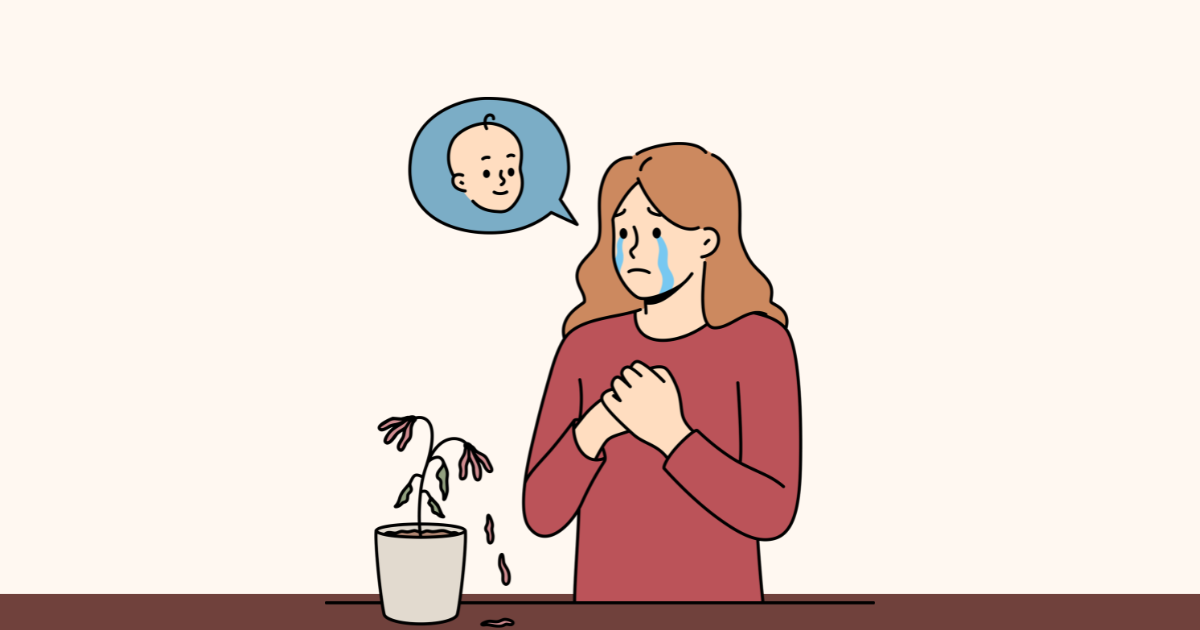
Pregnancy loss, usually referred to as miscarriage, has both physical and psychological implications. While miscarriage is very common, many women experience the feeling of isolation while dealing with a miscarriage and may find it difficult to find someone to talk to about their experience. We aim to provide a complete understanding of the process of diagnosing and treating miscarriages as well as helping you understand what the medical differences are between a miscarriage and an abortion. This information provided within this guide will help you feel informed, supported, and empowered through your experience.
It is also important to remember that in the medical community, the distinctions between a miscarriage and an abortion are generally due to a lack of physical signs that would distinguish the difference. The healthcare provider cannot use physical signs or examinations to determine whether a pregnancy ended in a miscarriage or an abortion. If you have had a prior abortion and do not want to discuss it with the healthcare provider, you may state that you have had a miscarriage.
We hope the medically sound & compassionate support that we provide will help you to feel informed, as well as supported, through your entire miscarriage experience.
What Is a Miscarriage?
A miscarriage is generally defined as any time you lose your fetus from within the uterus before your baby reaches 20 weeks gestation. Most, if not all, miscarriages happen during the first trimester of pregnancy (the first 12 weeks after conception). There are several ways the embryo can lose its place in the uterus:
- The embryo ceases to grow;
- The uterine wall no longer supports the pregnancy (the pregnancy separates from the uterine lining); and
- Your body expels fetal tissue from the uterus.
Miscarriages are very common; approximately 1 out of every 5 recorded pregnancies results in a miscarriage. However, many more women will have lost their pregnancy before they even found out they were pregnant.
MISCARRIAGE IS NOT CAUSED BY ANYTHING THAT YOU DID!
What Causes a Miscarriage?
The most common cause of miscarriage is a chromosomal abnormality. This happens when cells divide quickly after an egg and sperm have come together. A mistake can occur while the embryo is being made.
If the embryo doesn’t grow correctly, the pregnancy may stop progressing.
Common examples include:
- Chromosomal Abnormality (Most Common)
- Problems With Implantation
- Hormonal Imbalance
- Certain Abnormalities In The Uterus
- Untreated Thyroid/Autoimmune Disorders
Reasons That Do Not Cause A Miscarriage:
- Sex While Pregnant
- Exercise
- Stress
- Past Abortion
- Taking Birth Control In The Past
- Eating Certain Foods
Risk by Gestational Age
Risk decreases as pregnancy progresses:
| Gestational Age | Estimated Risk |
|---|---|
| 1–4 weeks | 10–25% |
| 5–8 weeks | 5–10% |
| 9–12 weeks | 3–5% |
| 13–16 weeks | 1–3% |
| 17–20 weeks | 0.5–3% |
About 80% of miscarriages occur in the first trimester.
Factors That May Increase Miscarriage Risk
Although many miscarriages are considered random occurrences, specific conditions will affect the likelihood of miscarriage.
Age
For example, pregnant females older than 35 years old often have to contend with a higher rate of chromosomal abnormalities.
Chronic Medical Conditions
- Diabetes
- Thyroid disorders
- Autoimmune diseases
- Uncontrolled hypertension
Lifestyle Factors
- Smoking
- Heavy alcohol use
- Drug use
Hormonal Conditions
- Polycystic ovary syndrome (PCOS)
- Luteal phase defects
Previous Miscarriages
If you have a single miscarriage, it will not typically increase your risk for subsequent miscarriages. However, if you have three or more miscarriages, you may want to investigate possible causes of your recurrent miscarriages (also referred to as recurrent pregnancy loss). Common risk factors associated with recurrent pregnancy loss are outlined below:
| Risk Factor | Description |
|---|---|
| Fetal genetic issues | The most common cause of juvenile miscarriages is fetal chromosomal defect. |
| Age over 35 | Pregnancies over the age of 35 have a higher incidence of chromosomal defect and pregnancy complications. |
| Chronic health conditions | Chronic medical conditions such as diabetes, thyroid disease, and/or autoimmune diseases will predispose an individual to miscarriages. |
| Lifestyle factors | Smoking, drug abuse and excessive alcohol consumption may be associated with recurrent pregnancy loss. |
Miscarriage vs Abortion: What’s the Difference?
From a medical perspective, abortion and spontaneous abortion are both medical conditions. Any pregnancy loss before 20 weeks of gestation is classified as an abortion. Pregnancy loss that occurs without medical intervention (i.e., miscarriage) and intentional pregnancy loss (abortion) are both classified as abortions from a legal and clinical perspective. This is the basis for using the term “spontaneous abortion” in the medical record for miscarriage.
Thus, when discussing miscarriage versus abortion, many people will create different definitions according to how they classify the loss:
- Miscarriage = unintended pregnancy loss.
- Abortion = intentional termination of pregnancy.
From a medical perspective, in many cases, both spontaneous abortions and induced abortions will be treated similarly.
Mifepristone and misoprostol are medications that can be used medically for abortion, but both of these medications can also be used medically as treatment options for women who have experienced an early pregnancy loss (i.e., miscarriage). In fact, there are often no visible signs that differentiate pregnancy losses from abortions when you examine the body of a woman who has experienced an early pregnancy loss.
| Category | Miscarriage | Abortion |
|---|---|---|
| Medical definition | Spontaneous pregnancy loss under 20 weeks | Induced pregnancy termination under 20 weeks |
| Cause | Natural loss | Intentional medical or procedural treatment |
| Treatment | Medication or procedure | Medication or procedure |
| Physical difference | No detectable difference | No detectable difference |
Types of Miscarriage
Miscarriages vary in presentation and severity.
| Type of Miscarriage | What to Expect |
|---|---|
| Threatened miscarriage | Vaginal bleeding and cramping, but the cervix is closed, so the pregnancy may continue. |
| Inevitable miscarriage | Vaginal bleeding and cramping and the cervix is open, so the chances of having a miscarriage are very likely. |
| Incomplete miscarriage | Pregnancy tissue has passed out of the body and some is still left in the uterus. |
| Missed miscarriage | Embryo has stopped growing but there are no signs of miscarriage. |
| Complete miscarriage | All pregnancy tissue has passed. |
| Recurrent miscarriage | Patient has had 3 or more consecutive miscarriages. |
| Septic miscarriage | Rare type of miscarriage that involves an infection and requires immediate medical care. |
What Are Diagnosis of Miscarriage
If a provider has suggested that you might have a miscarriage they will use:
1. Blood Tests (hCG Levels)
hCG has been used during the first trimester in pregnancy. Low or flatline levels of hCG could result in a miscarriage.
2. Pelvic Exam
Assessment of cervical dilation and assessment of active bleeding will also be done.
3. Ultrasound
More definitive than assessment of hCG levels. A transvaginal ultrasound will show:
- Heart tones of the fetus
- Growth of the gestational sac
- Evidence of a viable pregnancy
A repeat ultrasound may be performed 1–2 weeks later.
4. Tissue Testing
If any pregnancy tissue has passed, that tissue can be sent for testing to confirm a miscarriage.
5. Chromosomal Testing
Recommended after recurrent losses.
| Test Type | How It Works | When Used |
|---|---|---|
| Blood tests | Measures pregnancy hormone (hCG) levels and compares trends. | Early pregnancy (under 12 weeks) |
| Pelvic exam | Checks if the cervix is dilated. | When bleeding is present |
| Ultrasound | Checks for fetal heartbeat and pregnancy development. | 6 weeks and beyond |
| Tissue test | Lab analysis of passed pregnancy tissue. | If tissue is passed |
| Chromosomal test | Identifies genetic causes of recurrent miscarriage. | After three or more losses |
How to Confirm a Miscarriage at Home
A home pregnancy test may give a positive result for several weeks after a miscarriage due to the fact it takes time for the hCG level to decrease.
Some signs that suggest you may have had a miscarriage include:
- Heavy bleeding with clots
- Cramping that is worse than a normal period
- Passing of tissue
- A sudden loss of pregnancy symptoms
Only ultrasound or blood tests can confirm a miscarriage.
Treatment Options for Miscarriage
The aim of treatment is to completely empty the uterus and avoid an infection. In general there are three choices:
1. Expectant Management (Wait and See)
Expectant management: Allow the body to pass the tissue naturally.
- The time frame can vary from days to weeks
- Bleeding may be unpredictable
- Follow up may be necessary to ensure you have fully passed the tissue.
Many people choose this method because they feel it is the most natural.
2. Medical Management
Medical management: This usually involves using Misoprostol (alone or combined with Mifepristone) to induce contractions in the uterus so that your body can expel its pregnancy tissue.
Benefits of medical management include:
- No surgery
- May be done at home
- More predictable than expectant management
Common questions include:
How Long Does Medical Management of Miscarriage Take?
When taking medication, cramping or bleeding usually starts immediately after ingestion. Though heavy bleeding can last a number of hours, light bleeding or spotting may last anywhere from one to two weeks after the use of medication.
The total amount of time spent managing a miscarriage medically is typically only a few days — even though it may take anywhere from a few weeks to several months for most complications related to miscarriage (including the hCG return to zero) to go away.
Using mifepristone prior to misoprostol has been shown to improve both the total amount of time spent managing a miscarriage medically and the need for additional surgical procedures.
3. Procedural Management (D&C or Uterine Aspiration)
Pregnancy tissue removal using a minor incision in the office setting. Learn more about what happens during a surgical abortion for a complete breakdown of procedural options.
Benefits:
- Fast procedure usually takes less than fifteen minutes
- Less bleeding on average when finished
- Immediate completion
Recommendation criteria:
- Will experience heavy bleeding
- Will develop an infection
- Will not respond to other treatments
- Choice of patient
| Treatment Type | How It Works | Why Chosen |
|---|---|---|
| Expectant management | Body passes pregnancy tissue naturally over time. | Most natural option, avoids medication or procedure. |
| Medical management | Medication causes uterine contractions to pass tissue. | More predictable timeline than waiting. |
| Procedural management (D&C) | Minor procedure removes pregnancy tissue from uterus. | Fastest option with immediate completion. |
Recovery & Aftercare
For many people who survive their partner’s miscarriages, it is often extremely difficult to cope with and get through that time. Physical well-being and spirit support should all come into play during this tough period of time. Each person will heal from this experience differently; therefore, knowing what to expect might help you to feel more prepared and supported during this healing time.
How Long Does a Miscarriage Take?
Physically, miscarriage may last:
- A few hours to several days (early pregnancy)
- Longer in later pregnancy
Recovery depends on gestational age and treatment type.
| Stage | Typical Duration |
|---|---|
| Active cramping | Hours to a few days |
| Heavy bleeding | 1–3 days |
| Light spotting | Up to 2 weeks |
| Hormone levels normalize | Several weeks |
| Next menstrual cycle | 4–8 weeks |
Physical Recovery
Common symptoms:
- Bleeding (often 1–2 weeks)
- Cramping
- Passing clots
- Back pain
- Fatigue
Your next menstrual cycle usually returns within 4–8 weeks.
| Miscarriage Symptoms | Details |
|---|---|
| Heavy bleeding | In cases where bleeding continues for more than two hours without soaking through two pads per hour, then it’s essential that you go straight to the nearest emergency room right away. If bleeding occurs only intermittently, you can be reassured that this doesn’t indicate an increased risk of miscarriage. |
| Fever or chills | You should report any sign indicating possible infection from bleeding to your physician or the emergency department as soon as you can. |
| Severe stomach pain | Pain associated with miscarriage is normal, although any severe pain, especially sharp or localized only to one side, warrants immediate medical attention. |
Seek Emergency Care If You Have:
Symptoms that could indicate a possible infection or an ectopic pregnancy include:
- Soaking two or more pads/hr for two hours
- Fever greater than 100.4 degree Fahrenheit
- Severe abdominal pain on one side
- Foul-smelling discharge from the vagina
- Dizziness or feeling faint
Review our complete guides on signs to go to the emergency room after taking the abortion pill and warning signs after an abortion when to call your doctor for a full breakdown of when to seek urgent care.
Coping with a miscarriage and mental health
Miscarriage can bring:
- Sadness
- Shock
- Guilt
- Anger
- Relief (which can also bring guilt)
All emotional responses are valid.
Support options:
- Therapy
- Support groups
- Talking with trusted friends or family
- Partner counseling
Even if a pregnancy was unplanned, grief is still valid. Read our full guide on how to recover emotionally after an abortion for compassionate, evidence-based guidance on emotional recovery following pregnancy loss.
Can You Get Pregnant After a Miscarriage?
Most people who have had a miscarriage can and do go on to conceive another child. Ovulation may resume within as little as 2 weeks after pregnancy is lost and the vast majority of people will have a healthy next pregnancy after experiencing a miscarriage.
- According to research, approximately 1% of people will experience two or more consecutive miscarriages.
- There are no clinical guidelines stating that a person must delay trying to conceive again after having suffered a miscarriage.
Learn more about can you get pregnant after an abortion and how fertile you are after an abortion for complete guidance on fertility following pregnancy loss.
Get Connected with Serenity Choice Health for support following a miscarriage
Need Support After a Miscarriage?
If you’re experiencing difficulties with coping with the loss of your pregnancy and/or have questions regarding your own recovery after experiencing a pregnancy loss, contact Serenity Choice Health for assistance. A trusted member of their team will provide you with answers to your questions, as well as resources such as treatment options and follow-up care, all in a calm, safe, confidential environment.
Please reach out today to request an appointment with a qualified medical practitioner for further support. Your health and wellness are important and being supported throughout your recovery is also essential. Explore your abortion experience before, during and after care guide for complete support at every stage of pregnancy loss and recovery.
FAQs
1. How do I know if I’m having a miscarriage?
Some common indications of a possible miscarriage are vaginal spotting, stronger than usual cramps (as with a regular period), passing clots/tissue, and/or having a sudden decrease in symptoms of pregnancy. However, only a qualified healthcare practitioner can determine for certain whether you have miscarried through testing of the blood and/or ultrasound imaging.
2. How long does medical management of miscarriage take?
Bleeding and cramping typically start to occur in hours to days after taking medications. Heavy vaginal bleeding may last from several hours to several days, while lighter spotting could last from one to two weeks. It may take several weeks to recover completely from hormone levels to preexisting levels. Read our full guide on how long the abortion pill takes for a complete day-by-day timeline.
3. Is there a difference between miscarriage vs abortion?
From a medical standpoint, there are no significant differences between having a miscarriage or abortion; both types of pregnancy loss can occur prior to reaching 20 weeks gestation and can be managed the same way. It is not possible to differentiate between a miscarriage and an abortion based on symptomology and/or physical examinations alone.
4. When should I seek emergency care after a miscarriage?
If you experience soaking two or more pads in one hour on two consecutive occasions, a fever over 100.4°F, severe unilateral pain in your abdomen, and/or any feelings of dizziness or faintness, you need to seek medical attention immediately. These signs could signify complications requiring treatment as soon as possible.

Dr. James Carter is a board-certified physician and lead clinician at Serenity Choice Health, specializing in reproductive health access and medication abortion protocols. With over 20+ years of experience, he combines clinical expertise with patient-centered care to ensure safe, compassionate, and confidential reproductive healthcare.