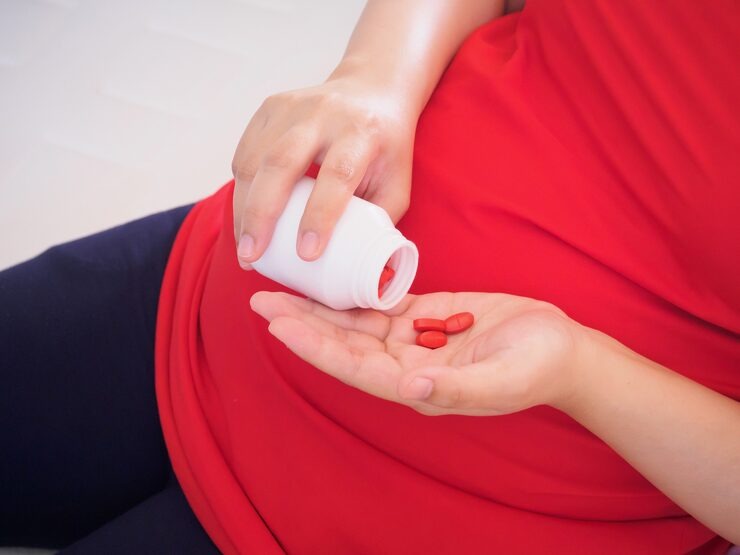

Misoprostol hurts because it is doing something physiologically significant. The pain is not a side effect in the way nausea or dizziness is. It is a direct result of the medication working exactly as intended. Understanding why helps you manage it more effectively rather than just enduring it.
The Direct Cause of Misoprostol Pain
Misoprostol is a prostaglandin. Prostaglandins are the same class of compounds your body naturally produces during menstruation to trigger uterine contractions that shed the lining. Misoprostol delivers a concentrated prostaglandin signal that is significantly more intense than anything your body produces naturally during a normal period.
The result is uterine contractions that are stronger, longer, and more sustained than menstrual cramps. These are not cramps. They are contractions. Read more about how abortion contractions compare to labor contractions and what the difference actually means physically.
Why the Pain Is More Intense Than a Period
Several specific factors make abortion pill cramping more intense than typical menstrual pain.
- The dose is pharmacological not physiological. Your body never naturally produces the prostaglandin concentration that misoprostol delivers. The medication forces a contraction response significantly beyond your normal menstrual pattern.
- The uterus is working to expel tissue. Normal periods shed a thin uterine lining. Medication abortion requires the uterus to expel the gestational sac, placental tissue, and a thicker built up uterine lining. More tissue requires more forceful sustained contraction.
- Cervical resistance adds to pain. The cervix must soften and open slightly to allow tissue passage. Prostaglandin driven cervical change during the abortion pill process contributes to the cramping sensation alongside uterine contractions.
- Prostaglandins affect the entire body. Misoprostol does not act only on the uterus. It affects all smooth muscle including gastrointestinal smooth muscle, which is why nausea, diarrhea, and general physical discomfort accompany the cramping rather than appearing separately.
What Makes Pain Worse for Some Patients
Several factors increase how intensely misoprostol pain is experienced.
Gestational age is the strongest predictor of pain intensity during the abortion pill process. Earlier gestations require less uterine work. Later gestations involve more tissue and stronger more sustained contractions to achieve complete expulsion. Read more about how painful the abortion pill is at different weeks.
Not taking ibuprofen beforehand is one of the most common and most preventable reasons patients experience more pain than necessary. Ibuprofen is a prostaglandin inhibitor. Taking it 30 to 60 minutes before misoprostol directly reduces the pain signal the medication generates. Taking it after cramping has already peaked is significantly less effective than taking it before. Read more about abortion pain management and why timing matters.
Using misoprostol without mifepristone increases pain because the uterus has not been prepared. Mifepristone softens the cervix and destabilizes the uterine lining before misoprostol is taken, reducing the work misoprostol has to do. Without that preparation the contractions required to achieve expulsion are more intense. Read more about taking misoprostol without mifepristone.
Sublingual administration produces the fastest and highest absorption of all routes, which means the most rapid onset of intense contractions. Read more about whether misoprostol is more painful orally or inserted and how route affects the pain experience.
Anxiety and tension amplify pain perception through well established neurological mechanisms. A tense body perceives the same contraction as more painful than a relaxed body does. This is not psychological weakness. It is physiology. Relaxation techniques, distraction, and supported resting positions all reduce perceived pain intensity through this mechanism.
Individual prostaglandin sensitivity varies between patients. Some people have significantly more sensitive prostaglandin receptors than others, producing a more intense response to the same dose. This is not something you can predict or control but it does explain why two patients at identical gestational ages with identical administration can have meaningfully different pain experiences.
What the Pain Actually Feels Like
Most patients describe abortion pill cramping as waves of intense pressure and squeezing in the lower abdomen that come and go rather than remaining constant. Lower back pain accompanying the abdominal cramping is common because uterine ligaments connect to the lower back and contract alongside the uterus.
The peak intensity typically lasts 2 to 4 hours before gradually subsiding as the main tissue passes and the uterus begins contracting down around a progressively emptying cavity. Many patients notice a distinct shift in pain intensity after the gestational sac passes, moving from peak sustained contractions to progressively lighter cramping. Read more about how the baby comes out after taking misoprostol and what this shift feels like physically.
What Actually Reduces Misoprostol Pain
These are the measures with genuine clinical evidence behind them, not comfort suggestions.
Preemptive ibuprofen is the single most effective pain reduction step available outside of prescription medication. 600 to 800 mg taken 30 to 60 minutes before misoprostol reduces prostaglandin mediated contraction intensity directly. Continuing on a regular schedule throughout the active phase maintains this effect better than taking it reactively after pain peaks.
Heat therapy applied directly to the lower abdomen during active uterine contractions reduces muscle tension and pain perception simultaneously. A heating pad on medium heat combined with preemptive ibuprofen is the most consistently effective non prescription pain management combination available during the abortion pill process.
Supported resting position reduces the muscular tension that amplifies contraction pain. Back with knees gently bent or side lying in a loose comfortable position keeps surrounding musculature relaxed so the uterus is not working against additional tension. Read more about laying down after taking misoprostol.
Distraction through familiar television, music, or guided meditation reduces the brain’s attention to pain signals in a measurable way. This is not a placebo effect. It reflects established neurological relationships between attentional focus and pain signal processing.
Staying hydrated reduces the dizziness and weakness from bleeding after the abortion pill that compounds the overall discomfort of the active phase.
When Pain Indicates Something Beyond Normal
Most misoprostol pain is intense but follows a recognizable pattern of peaking and gradually subsiding. Certain pain presentations fall outside this pattern and require clinical attention.
- Pain that intensifies significantly rather than gradually subsiding after the peak phase warrants provider contact.
- Severe pain that ibuprofen and heat together do not touch at all warrants same day clinical evaluation.
- Sharp one sided pelvic pain distinct from general cramping, particularly with dizziness or shoulder pain, requires emergency evaluation. Know the signs to go to the emergency room after taking the abortion pill.
- Fever above 100.4 degrees lasting more than 4 hours with worsening rather than improving pain suggests possible infection after abortion requiring clinical evaluation.
If you want clinical support for pain management throughout your medication abortion or have questions about what to expect, book a confidential consultation at Serenity Choice Health today.

Dr. James Carter is a board-certified physician and lead clinician at Serenity Choice Health, specializing in reproductive health access and medication abortion protocols. With over 20+ years of experience, he combines clinical expertise with patient-centered care to ensure safe, compassionate, and confidential reproductive healthcare.