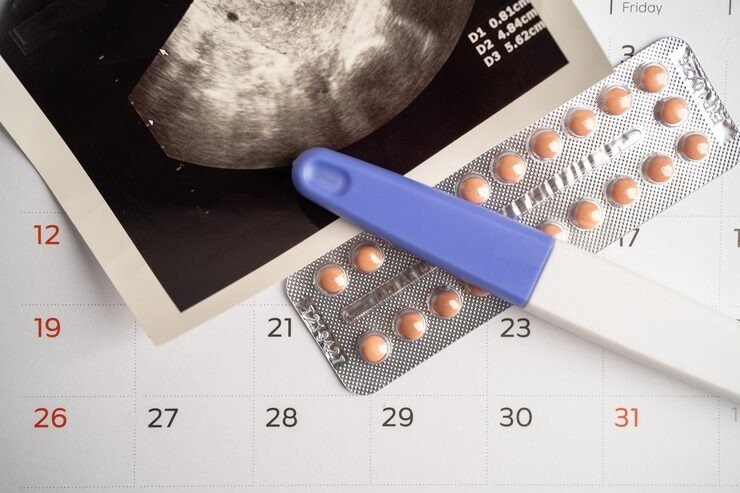

A fetus can survive after misoprostol if the medication fails to terminate the pregnancy. This is called a failed abortion and occurs in approximately 2 to 5 percent of medication abortion cases depending on gestational age and whether mifepristone was used alongside misoprostol.
If you are asking because you have taken the medication and are now reconsidering, read more about can I change my mind after taking the first abortion pill and what clinical options exist.
Table of Contents
ToggleHow Often Misoprostol Fails to End a Pregnancy
Failure rates vary depending on several clinical factors.
- The combination regimen of mifepristone and misoprostol fails in approximately 2 to 3 percent of cases at early gestational ages.
- Misoprostol alone without mifepristone fails in approximately 15 to 20 percent of cases.
- Failure rates increase with advancing gestational age in both regimens.
- Read more about what makes misoprostol fail and the specific clinical reasons failure occurs.
Two Types of Failure
Not all misoprostol failures are the same clinically.
- Failed abortion means the pregnancy continues completely intact. The embryo or fetus survived the medication exposure and the pregnancy is ongoing.
- Incomplete abortion means the process started but tissue was not fully expelled. Pregnancy is not ongoing but retained tissue remains. Read more about when abortion pills don’t work.
Both require clinical evaluation. Neither resolves without intervention.
What Happens to a Continuing Pregnancy After Misoprostol Exposure
This is the part of the question most patients actually need answered and most clinical resources handle vaguely. Here is what the evidence actually shows.
Misoprostol exposure in a continuing pregnancy carries real risks. Research consistently shows that misoprostol exposure during early pregnancy is associated with increased risk of certain fetal abnormalities, particularly when exposure occurs during the first trimester.
- Moebius sequence, a rare condition affecting facial nerves causing facial paralysis, has been associated with misoprostol exposure in continuing pregnancies.
- Limb reduction defects have been reported in association with first trimester misoprostol exposure in continuing pregnancies.
- Vascular disruption abnormalities affecting blood supply to developing tissue have been documented.
These risks are real but not absolute. Many pregnancies exposed to misoprostol and continuing to term are born without these abnormalities. The association exists but does not mean every continuing pregnancy will be affected.
Mifepristone exposure in a continuing pregnancy carries less documented teratogenic risk than misoprostol, but data is limited because continuation of pregnancy after mifepristone exposure is rare.
Signs a Pregnancy May Be Continuing After Misoprostol
- Pregnancy symptoms including nausea, breast tenderness, and fatigue persisting strongly beyond 2 weeks after the procedure.
- Strongly positive pregnancy test at 4 weeks or more post procedure.
- No bleeding or only minimal bleeding after misoprostol administration. Read more about why you are not bleeding after taking misoprostol.
- Read more about signs the abortion pill worked and what their absence may indicate.
Confirming Whether the Pregnancy Continued
The only reliable way to confirm whether a pregnancy is continuing after misoprostol is through clinical evaluation.
- A serum hCG blood test with rising rather than declining hormone levels indicates ongoing pregnancy rather than completed abortion.
- An ultrasound confirming fetal cardiac activity provides definitive confirmation of a continuing pregnancy.
- Home pregnancy tests alone are not sufficient because hCG levels decline gradually after successful abortion and can remain positive for 4 to 6 weeks. Read more about how to know if the abortion pill worked.
If You Are Reconsidering After Taking the Medication
If you have taken mifepristone but not yet misoprostol and are reconsidering, there is a clinical window where intervention may be possible. Read more about can I change my mind after taking the first abortion pill and what the progesterone supplementation protocol involves.
If you have already taken misoprostol and are concerned about a continuing pregnancy, clinical evaluation is the essential next step regardless of what you decide. Knowing with certainty whether the pregnancy is continuing is necessary before any decision about next steps can be made.
If the Abortion Was Not What You Wanted
If you took the medication under pressure or circumstances that did not fully reflect your own decision, that is important information worth discussing with someone you trust or a counselor. Read more about will I feel guilty after an abortion and the emotional support resources available.
When to Seek Clinical Attention
Contact your provider or seek evaluation if you experience any of the following after taking misoprostol.
- Pregnancy symptoms persisting strongly beyond 2 weeks.
- No significant bleeding within 24 hours of misoprostol. Know the signs to go to the emergency room after taking the abortion pill.
- Strongly positive pregnancy test at 4 or more weeks post procedure.
- Any concern that the process did not complete as expected. Read more about how to know if your abortion didn’t work.
If you need clinical evaluation after taking the abortion pill or want to discuss your specific situation with a provider, book a confidential consultation at Serenity Choice Health today.

Dr. James Carter is a board-certified physician and lead clinician at Serenity Choice Health, specializing in reproductive health access and medication abortion protocols. With over 20+ years of experience, he combines clinical expertise with patient-centered care to ensure safe, compassionate, and confidential reproductive healthcare.