

If you are a teenager facing an unexpected pregnancy, you may have questions about abortion pills, how they work, whether they are safe, what side effects to expect, and whether a parent or guardian must be involved. It is normal to want clear answers before making a decision about your health.
Abortion pills are medications used to end an early pregnancy. The process is commonly called medication abortion. Whether it is an appropriate option depends on how far along the pregnancy is, your medical history, access to qualified care, and the laws that apply where you live.
This guide from Serenity Choice Health explains common medical questions about abortion pills for teens, including the process, possible side effects, follow-up care, confidentiality, and when to seek medical help. It is educational information, not a substitute for individualized medical or legal advice.
Can Teens Use Abortion Pills?
Teens may be able to access medication abortion, but eligibility and access depend on individual medical circumstances and local laws. Being a teenager does not automatically mean the medications are medically unsuitable; however, a qualified healthcare professional should assess whether this option is appropriate for the individual.
A clinician may ask about:
- The first day of your last menstrual period and how long you may have been pregnant.
- Any medical conditions, allergies, or previous pregnancy-related concerns.
- Prescription medicines, over-the-counter medicines, and supplements you use.
- Symptoms such as severe abdominal pain, dizziness, or unusual bleeding.
- Whether you can access medical advice and urgent care if needed.
If you are unsure how far along you might be, a guide to estimating how far along a pregnancy is may help you understand what information to discuss with a healthcare professional. You can also learn about how early abortion care may be available.
Do not assume that an online quiz or a pregnancy test alone can determine whether abortion pills are appropriate for you. A provider can explain which assessments are necessary based on your situation.
How Do Abortion Pills Work?
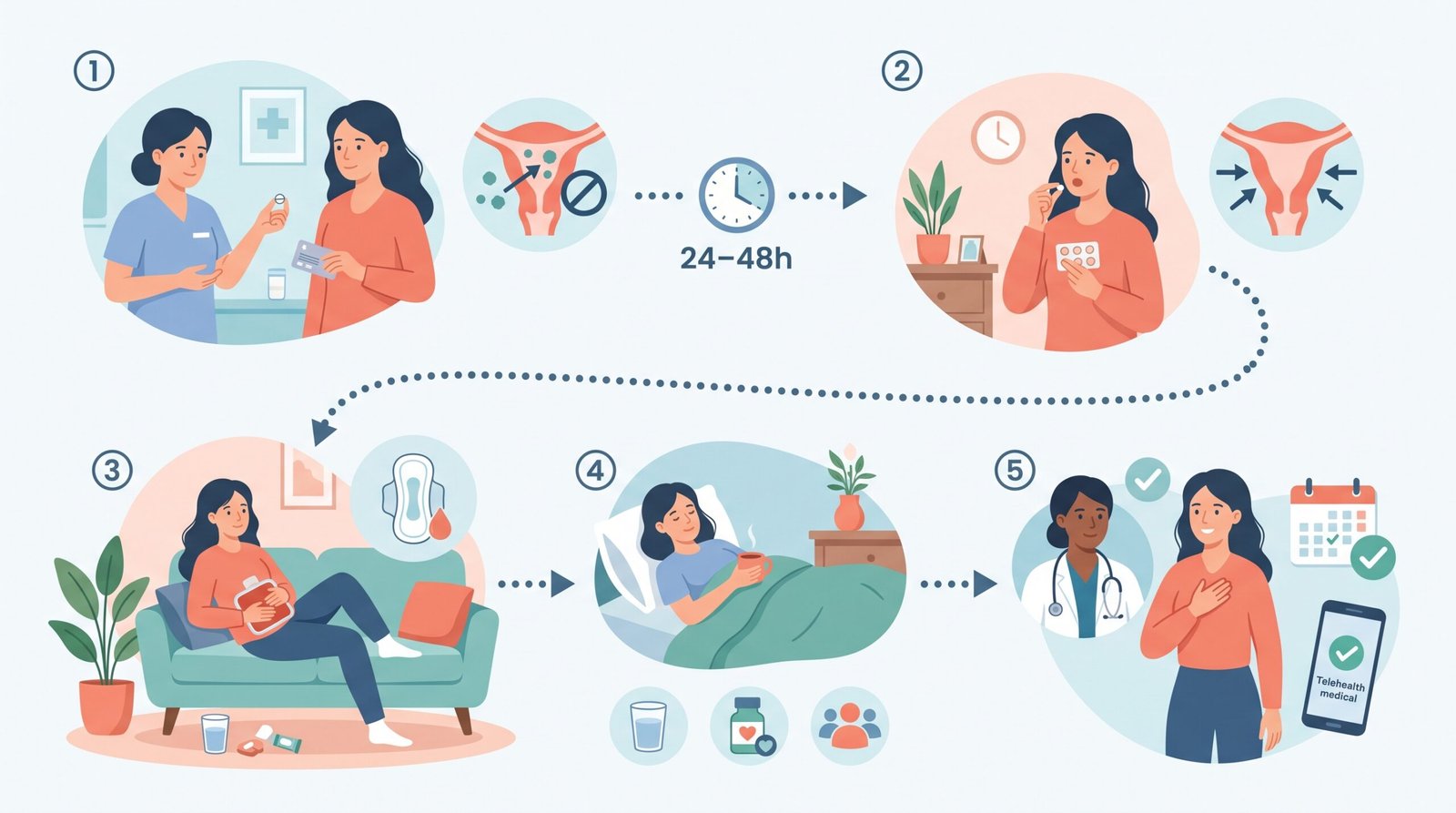
Medication abortion commonly involves two medicines: mifepristone and misoprostol.
Mifepristone
Mifepristone blocks progesterone, a hormone needed to maintain a pregnancy. This helps stop the pregnancy from continuing to develop.
Misoprostol
Misoprostol causes the uterus to contract and empty. It commonly leads to cramping and vaginal bleeding as the pregnancy passes.
The medicines are used according to a clinician’s instructions. The timing, route, and regimen should follow the instructions provided for your specific care. Do not change the dose, repeat a dose, or combine medicines based on social media advice.
For a fuller explanation of the medicines and their roles, read this guide to medication abortion and how it works.
Are Abortion Pills Safe for Teenagers?
Medication abortion is an established medical option for ending an early pregnancy when it is appropriate for the patient. Safety depends on factors such as pregnancy duration, medical history, correct use of the medicines, and access to help if a complication occurs.
A healthcare professional should know about relevant conditions and medicines before treatment. For example, mifepristone may not be appropriate for people with certain adrenal problems, those receiving long-term corticosteroid treatment, or people with a suspected or confirmed ectopic pregnancy. These are reasons to obtain medical assessment rather than trying to decide eligibility alone.
A teen should be able to ask questions without being shamed or pressured. A trustworthy provider should explain expected symptoms, potential risks, how to contact the care team, and where to seek urgent help.
Learn more about the medical facts behind abortion safety.
What Side Effects Should Teens Expect?
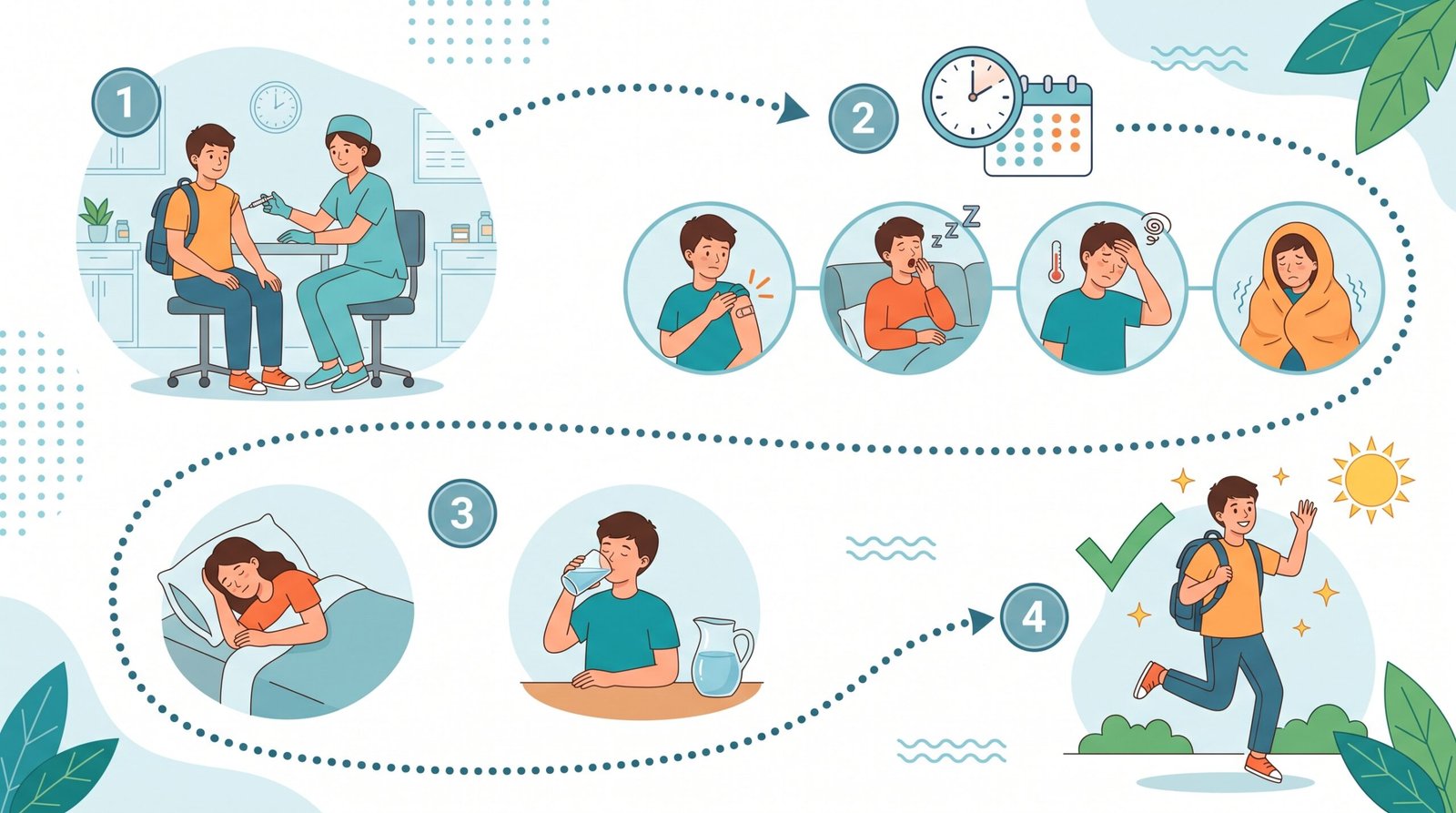
After taking abortion pills, many people experience cramping and bleeding. Other possible side effects include nausea, vomiting, diarrhea, chills, a temporary fever, headache, and tiredness. The intensity and duration can vary.
Cramping and bleeding
Cramping can be stronger than typical menstrual cramps, and bleeding may be heavier than a regular period for a time. Passing clots can also occur. Bleeding and spotting may continue after the main part of the process has passed.
See this guide to bleeding after abortion pills and what may be expected for more information.
Nausea, vomiting, and diarrhea
Digestive symptoms can happen with these medicines. Follow the instructions from your healthcare provider about eating, drinking, and taking any recommended medicines. If you vomit soon after taking a medication or are unsure whether it was absorbed, ask your provider what to do rather than automatically taking another dose.
How can teens manage discomfort?
A care team can explain which pain-relief options are suitable for you. It may help to have sanitary pads, comfortable clothing, water, a charged phone, and access to a trusted support person. Follow the specific care instructions you receive, including guidance about activity and follow-up.
For additional information, see how abortion-pill pain is managed.
How Effective Are Abortion Pills?
Medication abortion is highly effective for many eligible patients, but no treatment is guaranteed to work in every case. Effectiveness depends on factors such as how far along the pregnancy is and whether the recommended regimen is followed.
Bleeding and cramping can indicate that the medicines are taking effect, but symptoms alone cannot always confirm that the abortion is complete. Pregnancy symptoms may also take time to fade.
Follow the pregnancy-test or follow-up plan given by your healthcare provider. A standard home pregnancy test can remain positive for a period after an abortion, so testing too early may be confusing.
Learn more about how to tell whether abortion pills worked and what to do if abortion pills do not work as expected.
When Should a Teen Seek Urgent Medical Care?
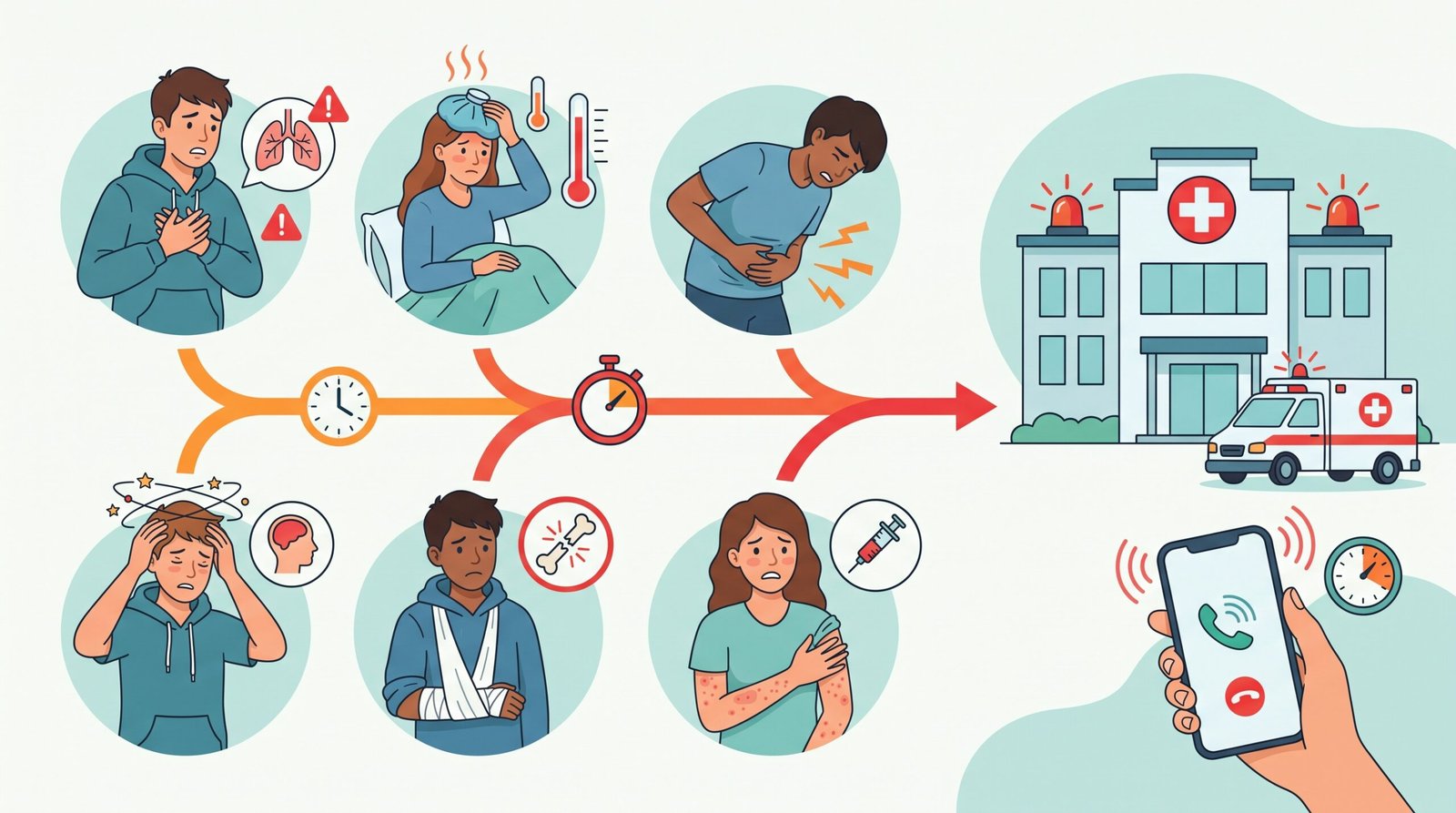
Serious complications are uncommon, but knowing warning signs is important. Contact your healthcare provider promptly if you are worried about your symptoms or if the course of events differs from the instructions you were given.
Seek urgent medical assessment for symptoms such as:
- Very heavy bleeding, such as soaking two full-size sanitary pads per hour for two consecutive hours.
- Severe or worsening abdominal pain that does not improve with recommended pain relief.
- Fainting, severe dizziness, or weakness that makes it difficult to stand.
- Persistent fever or feeling very ill, particularly if symptoms continue or begin after the expected period of medication side effects.
- Foul-smelling vaginal discharge or increasing pain that may indicate infection.
- Severe one-sided abdominal pain or shoulder-tip pain, which can be warning signs of an ectopic pregnancy.
If symptoms are severe, you feel faint, or you believe you may be in immediate danger, seek emergency medical care rather than waiting for a routine appointment. If you cannot reach your provider, use local emergency services.
For more detail, read about warning signs that require emergency care after abortion pills.
Do Teens Need Follow-Up After Taking Abortion Pills?
Follow-up is an important part of understanding whether the abortion is complete and whether additional care is needed. The appropriate method depends on the treatment plan and your provider’s recommendations.
Follow-up may involve a discussion of symptoms, a pregnancy test at the recommended time, or other assessment when indicated. Contact your provider if pregnancy symptoms continue, bleeding or pain concerns you, or a test remains positive beyond the timeframe you were told to expect.
Do not rely only on the amount of bleeding to decide whether the abortion is complete. Some people have less bleeding than expected, and persistent or concerning symptoms deserve medical advice.
See the guide to follow-up after abortion pills for more information.
Do Teens Need Parental Consent for Abortion Pills?
There is no single rule that applies to every teenager in every location. Requirements can vary by state or country and may depend on age, the type of care, and the circumstances. Some places require parental consent or notification; others provide different pathways for minors.
Before making an appointment or ordering medication, ask a qualified provider or a reputable legal-information service what rules apply where you live. If you are concerned about involving a parent or guardian, you can ask what options exist and whether any alternative legal process is available.
Do not assume that rules for adults also apply to minors. For people in Illinois, the current state rules and your particular circumstances should be confirmed directly with a qualified provider or legal resource. Read the Illinois abortion laws guide for general background, and seek up-to-date advice for your specific situation.
Will Abortion Care Be Confidential?
Teens often worry that a parent, guardian, school, or other person will find out about their healthcare. Confidentiality protections vary, and there may be exceptions or practical ways information is disclosed.
Before sharing sensitive information, ask the provider:
- Who can see my medical records or patient portal?
- Could a parent or guardian receive appointment details, messages, or test results?
- Could insurance statements disclose the visit or medication?
- What contact methods can the clinic use safely?
- What are the legal limits to confidentiality for someone my age?
Also consider whether another person can access your phone, email, browser history, location sharing, or insurance account. Digital privacy steps may reduce exposure, but they cannot guarantee that all information will remain private.
For more guidance, read the abortion privacy guide and learn how confidential abortion services may work.
Can Teens Get Abortion Pills Through Telehealth?
In some locations, eligible patients can consult a healthcare professional through telehealth and may be able to receive abortion medication through an authorized service. Availability depends on local law, the provider’s services, the patient’s medical situation, and the rules governing medication access.
A telehealth appointment should still include a review of your medical history, clear instructions, an explanation of possible side effects, and a plan for questions or urgent symptoms. You should know how to reach the provider and where to get emergency care if necessary.
Do not assume that a service available to adults is automatically available to minors. Ask the provider about age requirements, consent rules, confidentiality, delivery, and follow-up before relying on a particular option.
You can learn more about telehealth abortion access and whether it may suit your needs.
What If a Teen Is Afraid to Talk to a Parent or Trusted Adult?
Not every teen feels safe discussing a pregnancy with a parent or guardian. If it is safe and comfortable, a trusted adult may help with transportation, emotional support, understanding instructions, or getting medical attention if needed. That person could be a relative, counselor, or another supportive adult.
If you are worried about punishment, being forced into a decision, or being harmed, tell a qualified healthcare professional about your safety concerns and ask what confidential support is available. You deserve accurate information and care without coercion.
No one should pressure you to continue a pregnancy or end it. You can ask questions, take time to understand your options, and seek support that respects your decisions and safety.
For additional support, read about how to support someone during an abortion.
How Can Teens Find Reliable Abortion Information?
Online posts, forums, and videos can offer personal experiences, but they may not provide accurate medical or legal guidance for your situation. Look for information from recognized medical organizations, qualified healthcare providers, and reputable legal-information services.
Before relying on a service, check that it clearly explains:
- Who provides the medical care.
- Which patients it can serve and any age-related requirements.
- How to ask questions before treatment.
- What the medications can and cannot do.
- How follow-up and urgent medical care are handled.
- What fees, privacy practices, and legal limitations apply.
Avoid taking medication from an unknown seller or using pills based only on a social media post. The source, quality, and instructions matter. A qualified provider can help you understand your options and identify an appropriate next step.
How Serenity Choice Health Can Help
Serenity Choice Health provides women’s healthcare information and support for people seeking to understand their reproductive health options. If you are a teen or helping a young person who may be pregnant, contact a qualified healthcare provider to discuss medical eligibility, local requirements, confidentiality, and available services.
Before proceeding, ask whether the service can care for someone your age, what consent or notification rules apply, how privacy is handled, and what follow-up support is available. Do not assume that every service is available to every age group or in every location.
Visit Serenity Choice Health to explore reproductive healthcare information and learn how to ask questions about appropriate care.
Conclusion
Teens considering abortion pills deserve accurate, respectful answers about safety, side effects, effectiveness, privacy, and the law. Medication abortion commonly involves mifepristone and misoprostol, and the experience can include cramping, bleeding, and temporary digestive symptoms. Follow the instructions provided for your care, keep a way to contact your provider, and seek urgent assessment for severe or concerning symptoms.
Because medical eligibility, parental involvement, confidentiality, and access rules vary, the safest next step is to speak with a qualified provider or reputable legal-information service about your specific circumstances. You deserve clear information, supportive care, and the freedom to ask questions without judgment.
Frequently Asked Questions
1. Are abortion pills safe for teens?
Medication abortion can be an appropriate option for eligible teens, but a qualified healthcare professional should assess medical history, pregnancy duration, and other relevant factors. Teens should receive clear instructions and know when to seek medical help.
2. How long do abortion pills take to work?
The timing varies. Cramping and bleeding often begin after misoprostol, but the process differs from person to person. Follow the timeline and follow-up instructions provided by your healthcare professional.
3. Do teens need parental consent to get abortion pills?
Requirements vary by state or country. Some places require parental consent or notification, while others have different rules or legal pathways. Confirm the current requirements where you live before arranging care.
4. Can a parent find out about a teen’s abortion?
Possibly. Privacy depends on local law, healthcare policies, medical-record access, patient portals, and insurance billing. Ask the provider about confidentiality and its limits before sharing sensitive information.
5. What side effects can teens experience after abortion pills?
Common effects include cramping, bleeding, nausea, vomiting, diarrhea, chills, and temporary fever. Seek urgent medical care for very heavy bleeding, severe or worsening pain, fainting, or other serious symptoms.
6. How can a teen know if abortion pills worked?
Symptoms alone cannot always confirm completion. Follow the provider’s recommended follow-up plan, which may include a pregnancy test at the appropriate time or additional assessment if symptoms persist or there are concerns.

Dr. James Carter is a board-certified physician and lead clinician at Serenity Choice Health, specializing in reproductive health access and medication abortion protocols. With over 20+ years of experience, he combines clinical expertise with patient-centered care to ensure safe, compassionate, and confidential reproductive healthcare.