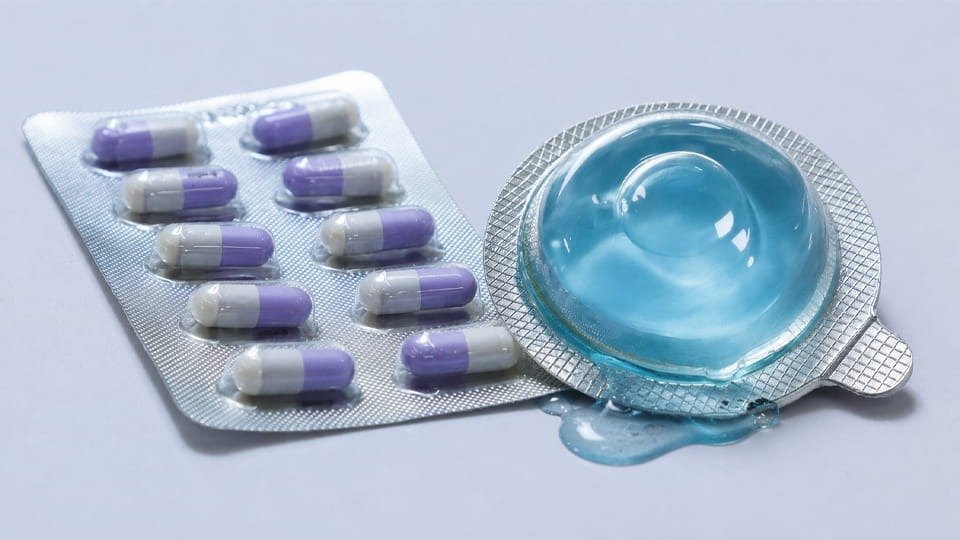

Missing the scheduled time for the second abortion pill can be stressful, but a delay does not automatically mean the medication abortion has failed. What to do depends on how late you are, which medication or dose you missed, and the instructions provided by your healthcare professional.
The most important distinction is whether you missed misoprostol after taking mifepristone or missed an additional dose of misoprostol. These are different situations, and the recommended timing can vary by regimen.
The Two-Pill Timeline First
Understanding the medication abortion timeline helps clarify what counts as a late dose and what to do next.
- Mifepristone is taken first. It blocks progesterone, a hormone needed to maintain a pregnancy.
- Misoprostol is taken afterward. In the standard FDA-approved U.S. regimen, it is taken 24 to 48 hours after mifepristone. Other prescribed regimens may have different instructions.
- An additional dose of misoprostol is a separate step. Some regimens include a repeat dose, while others do not. The timing depends on the specific treatment plan.
Read more about how to take mifepristone and misoprostol together and how long you should wait between mifepristone and misoprostol.
What Happens If I Take the Second Dose of Misoprostol Late?
Taking misoprostol later than scheduled does not automatically mean the abortion pill will fail. However, the appropriate next step depends on whether you mean the first misoprostol dose after mifepristone or a repeat dose prescribed as part of your regimen.
- If you are a few hours late taking misoprostol after mifepristone: If your instructions specify a 24–48-hour interval, taking it at 26, 28, or 30 hours is still within that interval. Follow your prescribed instructions.
- If you missed the scheduled time for an additional misoprostol dose: The repeat-dose schedule may be different. Contact your prescribing clinician or abortion-care provider for instructions rather than automatically skipping the dose or taking extra tablets.
- If you are unsure which dose you missed: Check your medication instructions and contact your provider before changing the schedule.
A delayed dose does not, by itself, establish whether the medication abortion will be successful. Follow-up may be needed to confirm that the pregnancy has ended.
Learn more about misoprostol and what to expect after taking it.
If You Are Past 48 Hours
If more than 48 hours have passed since you took mifepristone and you have not taken the scheduled misoprostol, contact your prescribing clinician for guidance.
- The 24–48-hour interval is used in the standard FDA-approved U.S. regimen, but instructions can vary by treatment protocol.
- A delay beyond 48 hours does not automatically mean the medication will no longer work.
- Your provider can advise you on whether to proceed with the prescribed regimen or whether any change is needed.
- Do not restart the process, take extra medication, or change the dose on your own.
For additional information, read about abortion pill effectiveness.
What Happens If You Don’t Take the Second Dose of Misoprostol?
If your prescribed regimen includes a second dose of misoprostol and you do not take it, the effect on treatment depends on the regimen, the stage of pregnancy, and what has happened after the earlier dose.
- Missing a prescribed repeat dose may affect the likelihood of completing the abortion, but it does not automatically establish that treatment has failed.
- Do not assume that the second dose is unnecessary simply because bleeding or cramping has started.
- Contact your prescribing clinician promptly to find out whether you should take the missed dose or need follow-up care.
- Do not double the next dose or combine doses unless your healthcare professional specifically instructs you to do so.
If by the “second dose” you mean the misoprostol taken after mifepristone, the situation is different. Without the prescribed misoprostol, the medication abortion may not be completed, and the pregnancy may continue.
If You Already Started Bleeding Before Taking Misoprostol
Some people experience spotting or bleeding after taking mifepristone, before taking misoprostol.
- Light bleeding after mifepristone does not necessarily mean the abortion is complete.
- Do not assume that you can skip misoprostol because bleeding has started.
- Follow your prescribed medication instructions unless your clinician advises otherwise.
Read more about bleeding after the abortion pill and what early bleeding may mean.
What Happens If You Never Take Misoprostol?
Mifepristone alone is not the standard complete medication abortion regimen. If you take mifepristone but never take the prescribed misoprostol, the pregnancy may continue, and the outcome cannot be determined from symptoms alone.
- Contact your healthcare provider to discuss what happened and what options are appropriate.
- Do not assume that bleeding or a reduction in pregnancy symptoms confirms that the abortion is complete.
- Follow the recommended plan for confirming the outcome, including any pregnancy test, laboratory testing, or clinical follow-up advised by your provider.
Read more about what happens when abortion pills don’t work.
If You Changed Your Mind After Mifepristone
If you took mifepristone and are reconsidering taking misoprostol, contact a qualified healthcare professional promptly to discuss your options.
Do not attempt to manage the situation by taking unprescribed medication. Progesterone treatment marketed as “abortion pill reversal” has not been established as a safe and effective way to reverse mifepristone’s effects.
Your provider can explain the available options and the follow-up needed to assess your situation.
Practical Steps Right Now
If you missed the scheduled time for an abortion pill or misoprostol dose, take these steps:
- Check which dose you missed. Determine whether it was misoprostol after mifepristone or an additional dose of misoprostol.
- Write down the timing. Note when you took each medication, the dose, and how you took it.
- Review your prescribed instructions. If you are outside the recommended interval or are unsure what to do, contact your provider before changing your schedule.
- Do not double doses or restart the regimen on your own. Get instructions specific to your treatment plan.
- Prepare for the expected effects. Keep sanitary pads available to monitor bleeding and follow your clinician’s guidance on pain relief. Read more about abortion pain management.
Signs to Watch for After Taking Misoprostol
Whether you took misoprostol on time or later than scheduled, it is important to know when to seek medical advice.
- No bleeding within 24 hours of taking misoprostol: Contact your provider promptly for advice. Lack of bleeding does not automatically prove treatment failure, but it needs follow-up.
- Pregnancy symptoms that persist or worsen: Symptoms can take several days to improve, and breast tenderness may last longer. Persistent symptoms alone do not confirm an ongoing pregnancy, so follow your provider’s instructions for checking the outcome.
- Heavy bleeding: Seek emergency care if you soak two or more full-size sanitary pads per hour for two consecutive hours.
- Possible infection: Seek urgent medical advice for a fever of 100.4°F (38°C) or higher that persists beyond 24 hours after misoprostol or begins after the first 24 hours, especially with worsening pain or feeling very unwell.
- Severe pain, fainting, or marked weakness: Seek emergency care, particularly if the pain is severe or one-sided.
Read more about signs that require emergency care after taking the abortion pill and warning signs after an abortion.
If you missed your misoprostol timing and need individualized guidance on what to do next, book a confidential consultation at Serenity Choice Health.

Dr. James Carter is a board-certified physician and lead clinician at Serenity Choice Health, specializing in reproductive health access and medication abortion protocols. With over 20+ years of experience, he combines clinical expertise with patient-centered care to ensure safe, compassionate, and confidential reproductive healthcare.