
Heavy periods can affect far more than your monthly routine. Excessive menstrual bleeding may disrupt work, school, exercise, travel, sleep, and everyday activities. Some women also experience fatigue, dizziness, or iron deficiency due to ongoing blood loss. If your periods consistently interfere with your quality of life, it’s worth discussing treatment options with a healthcare provider.
For many people, hormonal birth control does more than prevent pregnancy. Depending on the method, it can help regulate menstrual cycles, reduce heavy bleeding, lessen cramping, and make periods more predictable. However, there is no single “best” option for everyone. The right choice depends on your medical history, health goals, lifestyle, and personal preferences.
This guide explains how different birth control methods may help manage heavy periods, what to expect from each option, and how to work with your provider to choose the most appropriate treatment.
Understanding Heavy Periods
Heavy menstrual bleeding sometimes called menorrhagia is more than simply having a difficult period once in a while. While every menstrual cycle is different, consistently heavy bleeding deserves attention because it may signal an underlying health condition or significantly impact your well-being.
You may have heavy periods if you:
- Soak through a pad or tampon every hour for several consecutive hours
- Need to use both pads and tampons for protection
- Wake during the night to change menstrual products
- Pass blood clots larger than a quarter
- Bleed for longer than seven days
- Frequently miss work, school, or activities because of your period
- Experience fatigue related to blood loss
Some people have naturally heavier periods, while others notice a sudden change in their menstrual pattern. Regardless of the cause, ongoing heavy bleeding should be evaluated rather than ignored.
Common Causes of Heavy Menstrual Bleeding
Heavy periods can occur for many reasons. In some cases, no single cause is identified, while in others, an underlying condition contributes to excessive bleeding.
Possible causes include:
- Hormonal imbalances
- Uterine fibroids
- Endometrial polyps
- Adenomyosis
- Bleeding disorders
- Thyroid disorders
- Certain medications
- Ovulation irregularities
- Perimenopause
- Copper intrauterine devices (IUDs)
Because treatment depends on the underlying cause, your healthcare provider may recommend an exam, medical history review, laboratory testing, or imaging before suggesting the most appropriate birth control option.
How Birth Control Can Help Heavy Periods
Hormonal birth control works by influencing reproductive hormones that regulate the menstrual cycle. Many methods reduce the buildup of the uterine lining during each cycle. Since there is less tissue to shed during menstruation, bleeding often becomes lighter.
Depending on the method, hormonal contraception may also:
- Reduce menstrual blood loss
- Shorten period length
- Improve menstrual regularity
- Decrease painful cramps
- Reduce clotting
- Improve symptoms related to heavy periods
- Lower the risk of developing iron-deficiency anemia from chronic blood loss
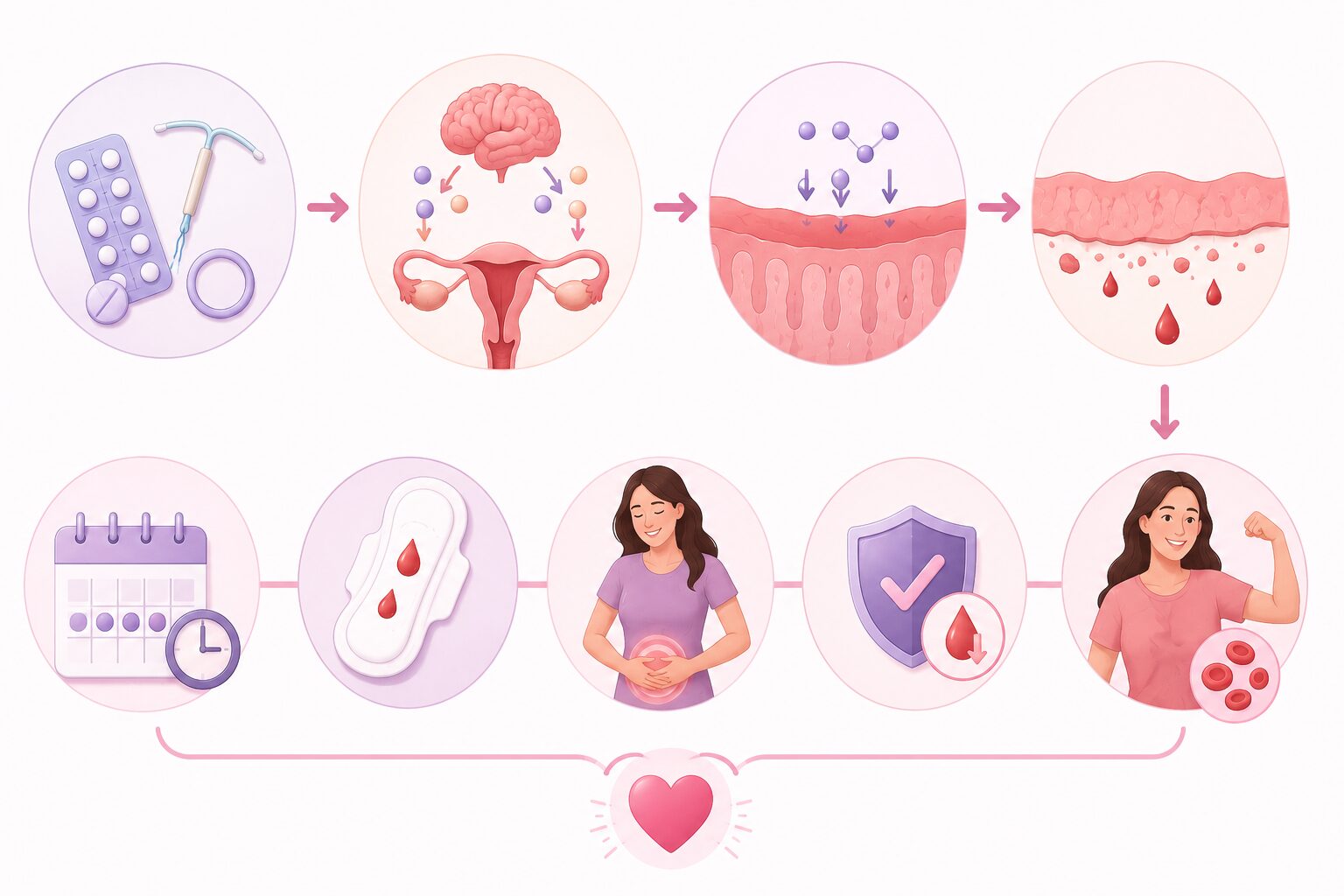
Not every birth control method has the same effect on menstrual bleeding. Some methods significantly decrease bleeding, while others may initially cause irregular spotting before cycles stabilize.
Best Birth Control Options for Heavy Periods
Hormonal IUDs
Hormonal intrauterine devices (IUDs) are among the most effective birth control options for reducing heavy menstrual bleeding. They release a small amount of progestin directly into the uterus, helping thin the uterine lining over time.
Many women notice:
- Much lighter periods
- Shorter menstrual cycles
- Less cramping
- Reduced clotting
- In some cases, periods may stop altogether after several months
Because the hormone primarily acts inside the uterus, hormone exposure throughout the rest of the body is generally lower than with some other hormonal methods.
Hormonal IUDs also provide long-term contraception, making them an appealing option for individuals seeking both pregnancy prevention and improved menstrual control.
Possible Considerations
Some women experience:
- Irregular spotting during the first several months
- Mild cramping after insertion
- Temporary adjustment while the body adapts
Although these effects often improve over time, discussing expectations beforehand can help you feel more prepared.
Combination Birth Control Pills
Combination birth control pills contain both estrogen and progestin. These hormones work together to regulate ovulation while keeping the uterine lining thinner.
For women with heavy periods, combination pills may provide:
- More predictable menstrual cycles
- Reduced menstrual flow
- Fewer blood clots
- Less painful cramping
- Better cycle control
Many healthcare providers prescribe combination pills specifically for menstrual regulation, even when contraception is not the primary concern.
Benefits
- Easy to start
- Widely available
- Can improve acne for some women
- Flexible dosing schedules
- May allow scheduled or extended cycles
Considerations
Daily consistency is important. Missing pills may reduce effectiveness and increase breakthrough bleeding.
Some individuals cannot safely use estrogen-containing birth control due to certain medical conditions, smoking history, migraine with aura, or increased blood clot risk. Your healthcare provider will determine whether combination pills are appropriate for you.
Progestin-Only Pills
For women who should avoid estrogen, progestin-only pills may be another option.
These pills can help:
- Reduce menstrual bleeding
- Improve cycle symptoms
- Provide contraception without estrogen exposure
Results vary more than with combination pills. Some women experience lighter periods, while others notice irregular bleeding during the first few months.
Because these pills require consistent daily timing, following your provider’s instructions carefully is important for maintaining effectiveness.
Birth Control Injection (Shot)
The birth control injection provides pregnancy prevention for approximately three months at a time.
Over time, many users experience:
- Lighter periods
- Less frequent periods
- No periods at all
For women with heavy menstrual bleeding, this reduction can significantly improve daily comfort and quality of life.
However, irregular bleeding is relatively common during the first several months after starting injections, and menstrual patterns vary from person to person.
Vaginal Ring
The vaginal ring is a flexible, hormone-releasing device that is inserted into the vagina and typically worn for three weeks before being removed for one week. Like combination birth control pills, it contains both estrogen and progestin.
For many women, the ring can help:
- Reduce heavy menstrual bleeding
- Make periods more predictable
- Decrease menstrual cramps
- Shorten the duration of periods
Because it delivers hormones steadily throughout the month, some users find it easier than remembering a daily pill.
Benefits
- Monthly rather than daily maintenance
- Predictable menstrual cycles
- Effective contraception
- May reduce heavy bleeding and painful periods
Considerations
The ring may not be suitable for everyone, particularly those who should avoid estrogen-containing birth control. Some users may experience mild spotting or vaginal discharge or vaginal irritation during the adjustment period.
Birth Control Patch
The birth control patch delivers estrogen and progestin through the skin. A new patch is typically applied once a week for three weeks, followed by one patch-free week.
For individuals looking for an alternative to daily pills, the patch may provide:
- Improved cycle regulation
- Lighter menstrual bleeding
- Reduced menstrual discomfort
- Convenient weekly use
Benefits
- Weekly application
- No daily pill reminders
- Consistent hormone delivery
- Can improve menstrual symptoms
Considerations
The patch shares many of the same medical considerations as combination birth control pills because it contains estrogen. Your healthcare provider will review your medical history to determine whether it is an appropriate option.
Birth Control Implant
The birth control implant is a small, flexible rod placed under the skin of the upper arm that releases progestin over several years.
While it is one of the most effective forms of contraception, its effect on menstrual bleeding is less predictable than some other methods.
Some women experience:
- Lighter periods
- Fewer periods
- No periods
Others may notice:
- Irregular spotting
- Unpredictable bleeding patterns
- Changes in cycle timing
Because of this variability, the implant is not always the first recommendation when heavy menstrual bleeding is the primary concern. However, it may still be an excellent option for some patients depending on their overall health goals.
Comparing Birth Control Options for Heavy Periods
| Birth Control Method | May Reduce Heavy Bleeding | Long-Term Option | Daily Maintenance |
|---|---|---|---|
| Hormonal IUD | Excellent | Yes | No |
| Combination Pill | Very Good | No | Yes |
| Progestin-Only Pill | Good | No | Yes |
| Birth Control Shot | Good | Every 3 months | No |
| Vaginal Ring | Good | Monthly | No |
| Birth Control Patch | Good | Weekly | No |
| Implant | Varies | Yes | No |
Keep in mind that individual results differ. What works well for one person may not be the best choice for another.
How to Choose the Right Birth Control for Heavy Periods
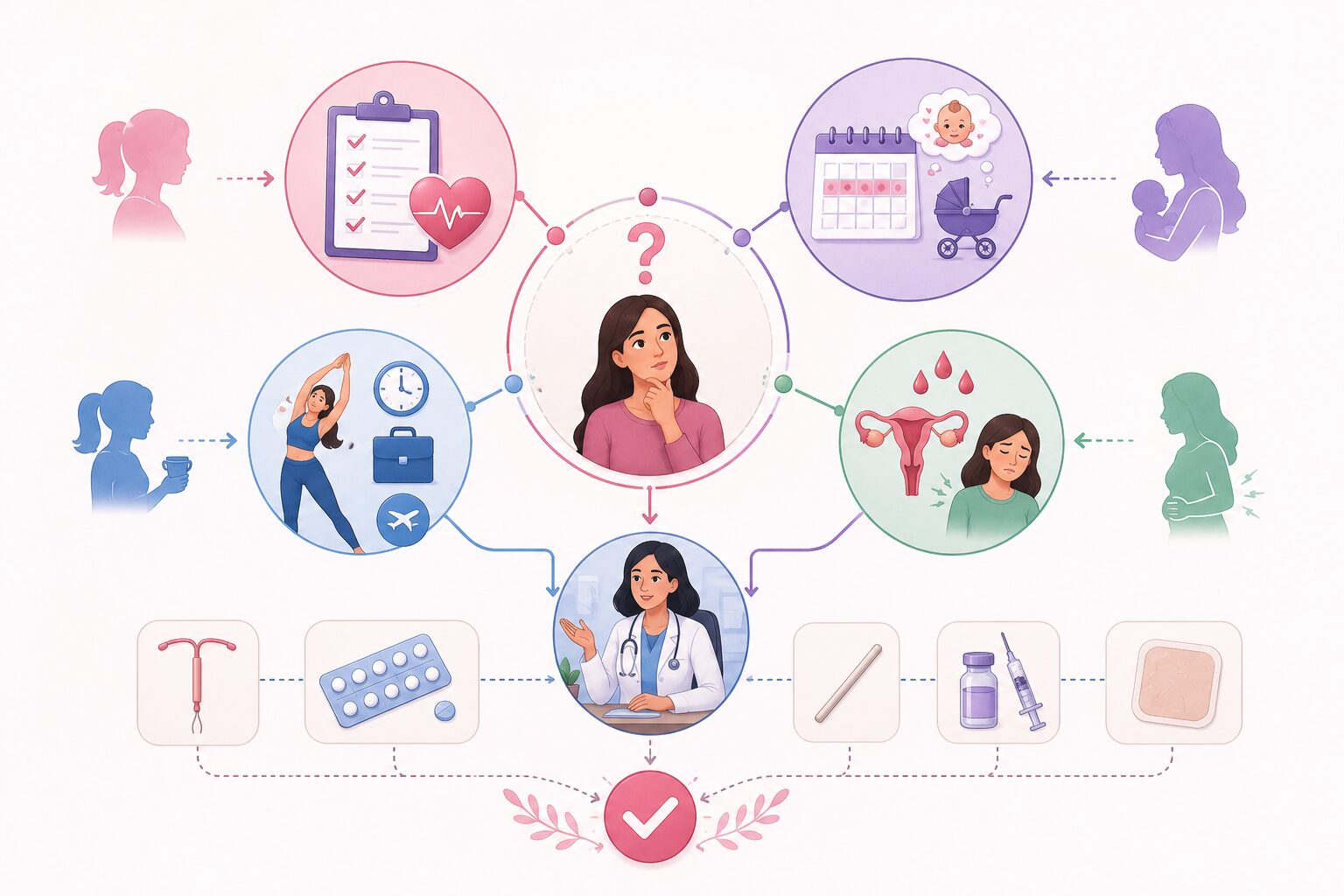
Selecting the best birth control involves more than comparing effectiveness. Your healthcare provider will consider your overall health, reproductive goals, and menstrual symptoms before recommending a method.
Factors that may influence your decision include:
Your Medical History
Certain health conditions may affect which birth control methods are appropriate. Be sure to discuss:
- Migraine with aura
- High blood pressure
- Smoking status
- History of blood clots
- Liver disease
- Breast cancer history
- Current medications
Your Future Pregnancy Plans
Some methods provide long-term contraception but can be removed whenever you’re ready to try to conceive. Others are designed for shorter-term use.
Understanding your future pregnancy plans helps guide the decision.
Your Lifestyle
Consider practical questions such as:
- Can you remember a daily pill?
- Would you prefer a long-acting option?
- Do you want fewer periods?
- Are you comfortable with an office procedure like an IUD insertion?
Your preferences matter just as much as medical considerations.
Your Menstrual Symptoms
Heavy bleeding often occurs alongside other symptoms, including:
- Severe cramps
- Irregular periods
- Pelvic pain
- PMS symptoms
- Anemia related to blood loss
Choosing a birth control method that addresses multiple concerns may improve your overall quality of life.
Questions to Ask Your Healthcare Provider
Preparing for your appointment can help you make an informed decision.
Consider asking:
- Which birth control is most effective for reducing heavy periods?
- How long before I notice improvement?
- What side effects should I expect?
- Could my heavy periods have an underlying medical cause?
- Will I still have monthly periods?
- Is this option reversible?
- Does this method fit my medical history?
- When should I schedule follow-up care?
A shared decision-making approach helps ensure your treatment aligns with your health needs and personal preferences.
When Heavy Periods Should Be Evaluated Promptly
While many women experience naturally heavier periods, certain symptoms should not be ignored.
Schedule a medical evaluation if you:
- Soak through a pad or tampon every hour for several hours
- Bleed longer than seven days consistently
- Pass large blood clots regularly
- Experience dizziness, weakness, or fainting
- Develop symptoms of anemia such as fatigue or shortness of breath
- Notice sudden changes in your menstrual pattern
- Have bleeding between periods or after menopause
Heavy menstrual bleeding can sometimes indicate an underlying condition that requires diagnosis and treatment beyond birth control alone.
Finding the Right Solution
There is no one-size-fits-all answer to the best birth control for heavy periods. Some women benefit most from a hormonal IUD, while others achieve excellent results with birth control pills, injections, or other hormonal methods.
The most effective treatment is one that considers:
- Your overall health
- The cause of your heavy bleeding
- Your contraceptive needs
- Your future pregnancy plans
- Your personal preferences
Working with a qualified women’s healthcare provider helps ensure you receive individualized recommendations rather than a generic solution.
Conclusion
Heavy periods can significantly affect your daily life, but effective treatment options are available. Hormonal birth control has helped many women reduce menstrual bleeding, improve cycle regularity, and manage symptoms that interfere with work, school, and personal activities.
Because every woman’s health history is unique, the best birth control for heavy periods is the one that safely addresses your symptoms while supporting your long-term health goals. If your periods have become unusually heavy or are affecting your quality of life, scheduling a consultation with a healthcare provider is an important first step.
Get Personalized Women’s Healthcare at Serenity Choice Health
At Serenity Choice Health, our experienced providers offer compassionate, patient-centered care tailored to your unique needs. Whether you’re exploring birth control options, seeking relief from heavy menstrual bleeding, or looking for preventive women’s healthcare services, we’re here to help you make informed decisions with confidence.
Schedule an appointment today to discuss the birth control method that’s right for you and receive personalized guidance based on your medical history, symptoms, and health goals.
FAQ Section
1. What is the best birth control for heavy periods?
Many healthcare providers recommend hormonal IUDs because they can significantly reduce menstrual bleeding for many users. However, birth control pills, injections, the vaginal ring, and the patch may also be appropriate depending on your individual health and preferences.
2. Can birth control completely stop my periods?
Some hormonal birth control methods may lead to very light periods or no periods at all. This varies by method and by individual, and not everyone will experience the same results.
3. How long does it take for birth control to reduce heavy bleeding?
Some women notice improvements within the first few months, while others may need several menstrual cycles before seeing the full benefits. Your healthcare provider can explain what to expect based on the method you choose.
4. Is heavy menstrual bleeding always a sign of a medical problem?
Not always, but persistent or worsening heavy bleeding should be evaluated. Conditions such as fibroids, polyps, hormonal imbalances, thyroid disorders, or bleeding disorders can contribute to heavy periods.
5. Which birth control is best if I have anemia from heavy periods?
Hormonal methods that reduce menstrual blood loss may help improve iron-deficiency anemia over time. Your provider may also recommend iron supplementation or additional evaluation depending on your symptoms and test results.
6. Should I see a healthcare provider before starting birth control for heavy periods?
Yes. A healthcare provider can evaluate your symptoms, identify any underlying causes of heavy bleeding, review your medical history, and recommend the safest and most effective birth control option for your needs. Schedule an appointment with Serenity Choice Health today.

Dr. James Carter is a board-certified physician and lead clinician at Serenity Choice Health, specializing in reproductive health access and medication abortion protocols. With over 20+ years of experience, he combines clinical expertise with patient-centered care to ensure safe, compassionate, and confidential reproductive healthcare.