
Misoprostol (Cytotec) is a reproductive healthcare drug frequently used to treat various conditions. The drug was first marketed as an antiulcer medication, and today it is commonly used for:
- Medication abortion
- Induction of labor with Misoprostol
- Cervical ripening
- Management of miscarriage
- Management of postpartum hemorrhage
Misoprostol was approved by the U.S. FDA for ulcer prevention in 1988, and in 2000, the FDA approved mifepristone for abortion care. Since then, misoprostol and mifepristone have been used in tandem as “the abortion pill.” However, misoprostol can also be used alone in certain situations.
This Guide will explain how misoprostol works, what you can expect from misoprostol, some of the common side effects associated with the use of misoprostol for abortion, and when to seek medical assistance.
How Does Misoprostol Work for Medication Abortion?
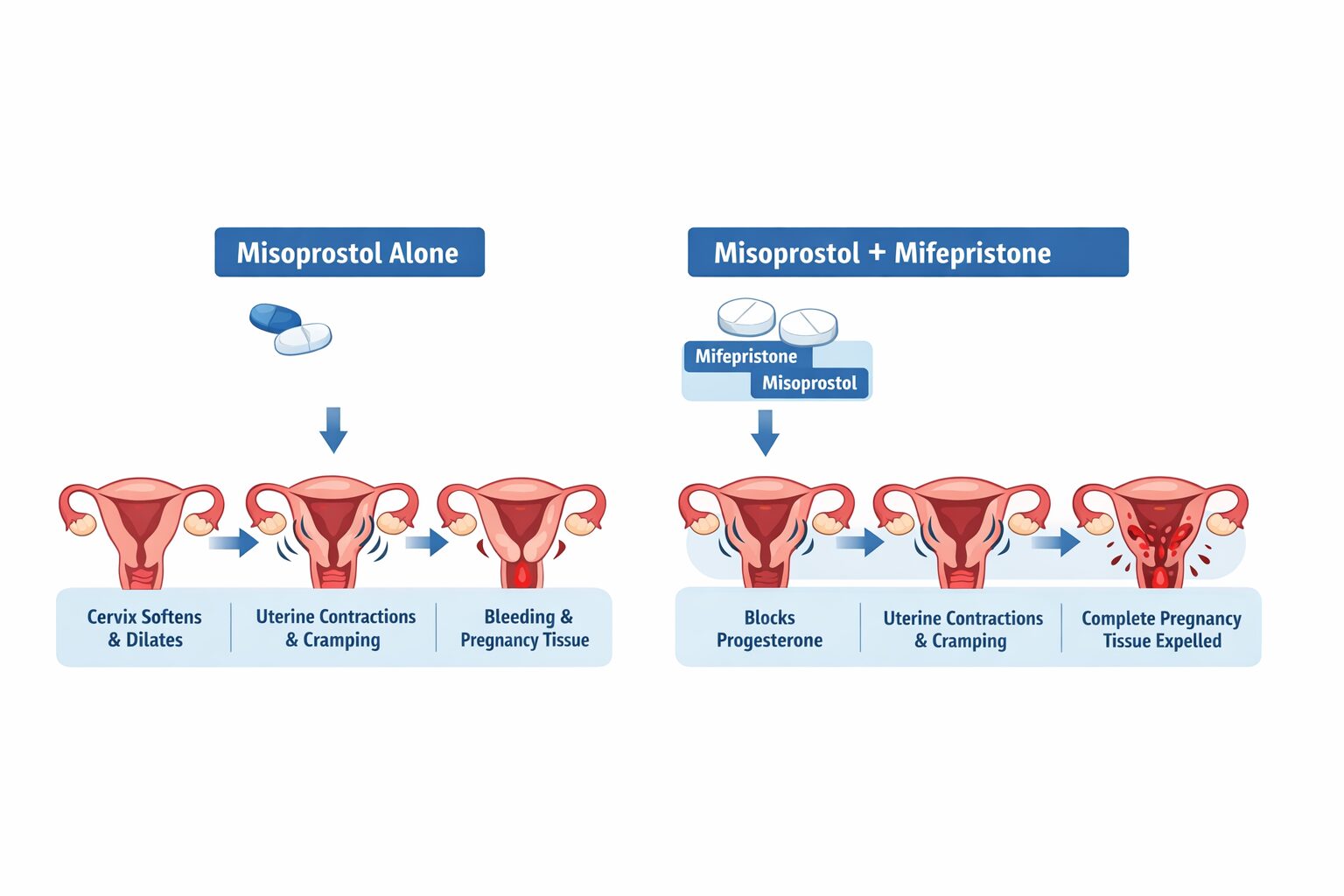
Misoprostol works by inducing uterine contractions, which:
- Promote cervical diameter changes (softening/dilation) and lead to the process of cervix dilation
- Encourage uterine contractions (cramping)
- Cause noticeable blood loss
- Expel tissue from pregnancy
Due to its ability to induce uterine contractions, misoprostol effectively assists in the safe emptying of the uterus.
When used as part of a medication abortion (misoprostol or mifepristone), mifepristone inhibits the action of progesterone (the hormone required for the continuation of a normal pregnancy) while misoprostol signals the uterus to contract and complete the medication abortion process.
When misoprostol is used as a singular agent, the uterine contractions will also occur but may differ in their timing and the amount of blood loss associated with them.
A question asked frequently amongst many people is, does misoprostol cause cramps? Yes, cramping is expected and usual when taking this medication.
What Are the Side Effects of Misoprostol for Medication Abortion?
Like any medication, misoprostol can cause side effects. Most are temporary and resolve within a few days.
| Side Effect | How Common | Description |
|---|---|---|
| Nausea And Vomiting | Very Common | You may feel nauseous or vomit in the first day or two of taking this medication, but it will also last only until those times pass. Drink fluids throughout the day in small amounts (water), eat light meals if possible, and get as much rest as you can. If you have a prescription for an anti-nausea medication, it may help as well. |
| Diarrhea | Very Common (As High as 13%) | Your body may produce loose stools or have increased bowel movements due to the stimulation of muscles that surround the intestines; this too may take 1-2 days to resolve. Stay hydrated and eat bland foods i.e., rice, waffles, or bananas; do not eat greasy or heavily processed foods at this time. |
| Stomach Pain or Cramping | Very Common | You may have cramping/pain in your (lower) abdomen because the uterus is contracting and working to complete the desired effect that caused your cramping; this will likely subside after a short period. You can use heating pads to your abdomen and should take something for the pain (ibuprofen or whatever your doctor may have prescribed). |
| Spotting or Bleeding (Vaginal) | Expected | You will likely experience some level of bleeding after taking this drug; the amount of bleeding will vary from light spotting to heavy bleeding (with possibly some form of clots). You should use a super-absorbent sanitary pad (as opposed to a tampon) and wear loose clothing while monitoring your bleeding. |
| Heavy Cramping | Very Common | You will likely have heavy cramping in your abdomen very similar to cramping associated with having your monthly menstrual cycles. (Cramping will be due to the expulsion of the uterus.) You should take something for the pain (i.e., ibuprofen or acetaminophen) and also use heating pads if desired. |
| Fever | Occasionally | Some people will experience mild fever during the first 24 hours of taking this drug and should be gone after that time. You should rest, drink fluids, and monitor your body temperature. You should contact your healthcare provider immediately if you develop 102°F or more (for children, contact your doctor if your child has over a 101°F or 102°F temperature). |
How Do I Get Misoprostol for a Medication Abortion?
Misoprostol has to be prescribed by a licensed health care provider and can be obtained from:
- Telehealth abortion clinics
- In-person abortion clinics
- Some pharmacies (with a prescription)
By working with your trusted provider, you can know:
- That you will receive the correct dose of the medication
- How to use misoprostol to soften your cervix
- How to receive help if you need it
Never purchase misoprostol from unverified sources.
How to Get an Abortion at Home
Medication abortion can be done at home safely under the supervision of a licensed health care provider. Your provider will instruct you on when to take mifepristone and how to take misoprostol (orally or vaginally), as well as what symptoms to expect and when to seek assistance.
Many people confuse the use of abortion with the use of oral misoprostol to induce labour or to induce labour in the hospital setting. The medication is the same, but the dosage and the monitoring of the medication are very different.
Misoprostol may also be used prior to having an IUD inserted. If you are wondering what to expect after taking misoprostol to have an IUD inserted, know that cramping and spotting are expected because the medication causes softening of the cervix.
What Are the Gynecological Side Effects of Misoprostol?
The side effects of taking Misoprostol may include:
- Vaginal Bleeding
- Spotting
- Cramping uterine and cervical
- Temporary dilation of the cervix (cervix opens slightly)
In a hospital setting, oral Misoprostol may be given to women in order to induce labor, but under strict supervision, Cytotec can be used to induce contractions via a woman’s vagina.
Risks associated with either method are quite rare when the medication is used as directed.
When Would You Need to Seek Emergency Care After Taking Misoprostol?
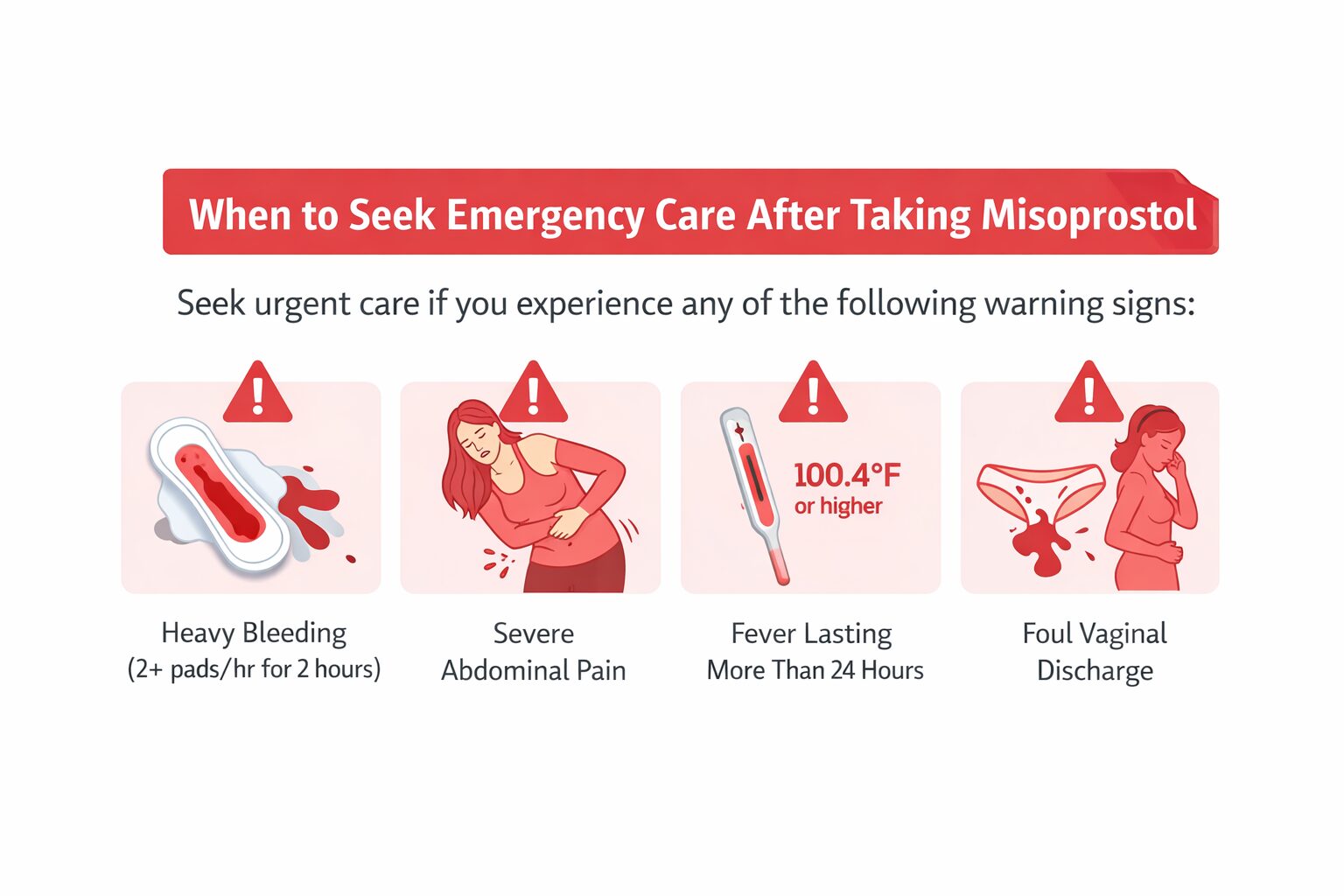
You should seek urgent medical attention when:
- You are soaking 2 or more maxi pads per hour for two consecutive hours
- You have severe abdominal pain that is not relieved by pain medication
- You have a fever over 100.4°F that lasts longer than 24 hours
- Your vaginal discharge contains a foul odor
- You have the symptoms associated with an ectopic pregnancy (sharp pain on one side, dizziness, or pain in your shoulder)
For a complete breakdown of when symptoms require urgent care, read our guides on signs to go to the emergency room after taking the abortion pill and warning signs after an abortion when to call your doctor.
Emergency care for Misoprostol is very rare, but may be necessary if required.
Is Misoprostol Safe to Use for an Abortion?
Yes. Misoprostol is a safe and effective option for ending a pregnancy in the first trimester.
Studies show that:
- There are high rates of success in women during the first trimester
- Low rates of complications have been reported
- The safety of patients undergoing a medication abortion is similar to those who had a spontaneous miscarriage
Overall, if used properly, Misoprostol is a safe drug when inducing an abortion in women. You can review our abortion pill effectiveness chart for a full breakdown of success rates by gestational age.
Does Misoprostol Cause Cramping?
Yes. Misoprostol does cause cramping and this is an expected side effect of the medication.
If you are wondering whether or not Misoprostol will cause cramps, the answer is YES; Uterine contractions are how the drug works.
Cramping should begin:
- Within 1–4 hours after taking Misoprostol
- Peak while you are heavily bleeding
- Then subside when you pass the tissue
Several methods to relieve pain are available and include:
- Ibuprofen (as directed by your doctor)
- Heating pad
- Rest
For a complete guide on managing discomfort, read our full article on abortion pain management and are abortion pill cramps worse than period cramps.
How Long Does It Take Misoprostol to Soften the Cervix?
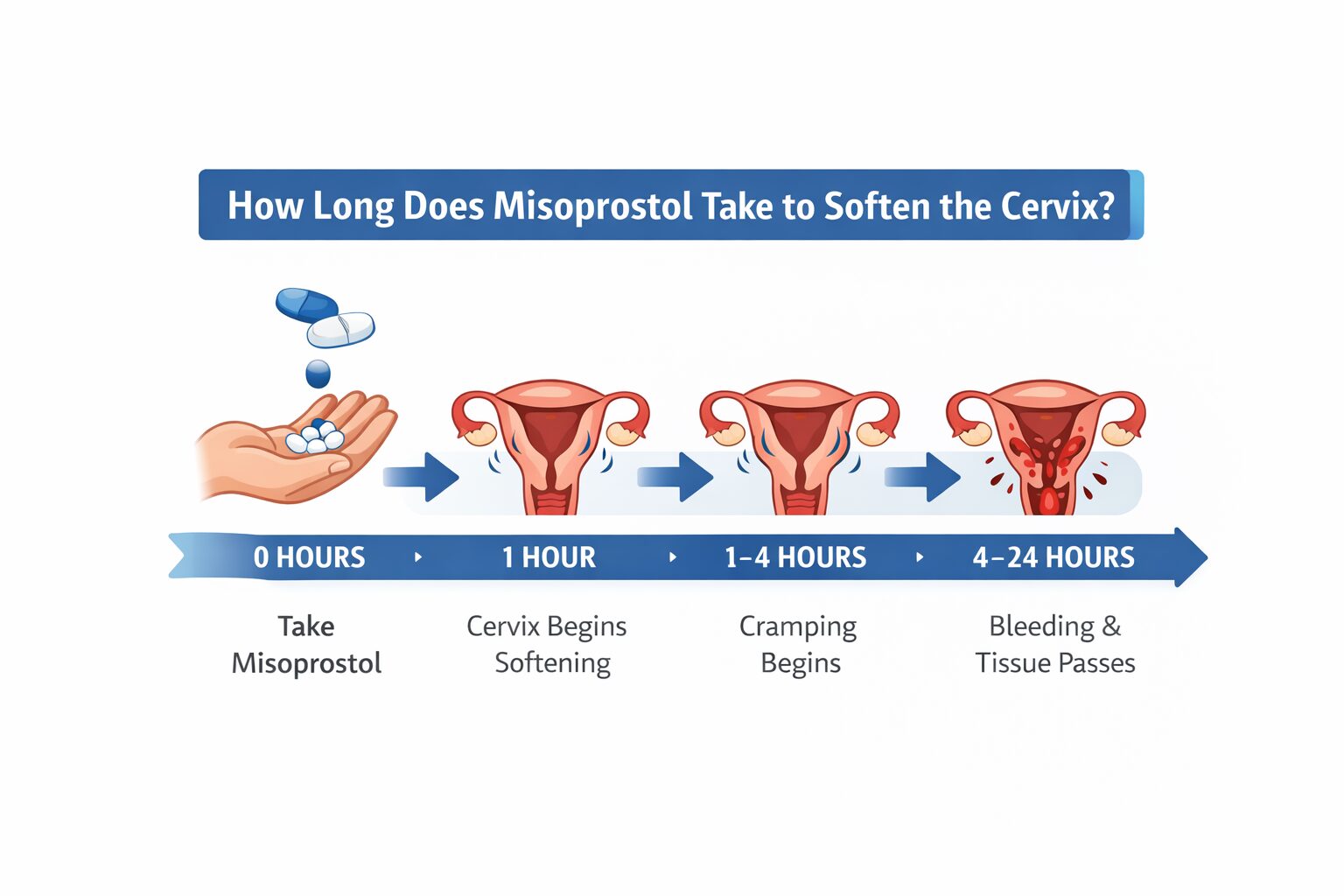
Misoprostol is a medication that helps to dilate the cervix for childbirth and works on softening the cervix. It starts to soften the cervix about an hour after taking it.
Some of the most common questions asked by women regarding misoprostol are:
How long does it take to dissolve vaginally?
- Typically, it takes about 30 minutes to start dissolving
- Takes a few hours to be fully absorbed
Although small pieces may still be present. This is normal. Please follow your provider’s guidelines on how to properly insert the medication to effectively dilate the cervix. You can also read about what if the pills fall out after I insert them and does it matter what position I’m in after misoprostol for detailed guidance.
Can Misoprostol Damage the Womb?
There is little chance of a serious complication such as a ruptured uterus; this occurs more with higher doses in late-term pregnancies and/or repetitive attempts at induction in an inpatient setting.
Early-term use has no risk of rupturing the uterus.
What Does Misoprostol Do to the Uterus?
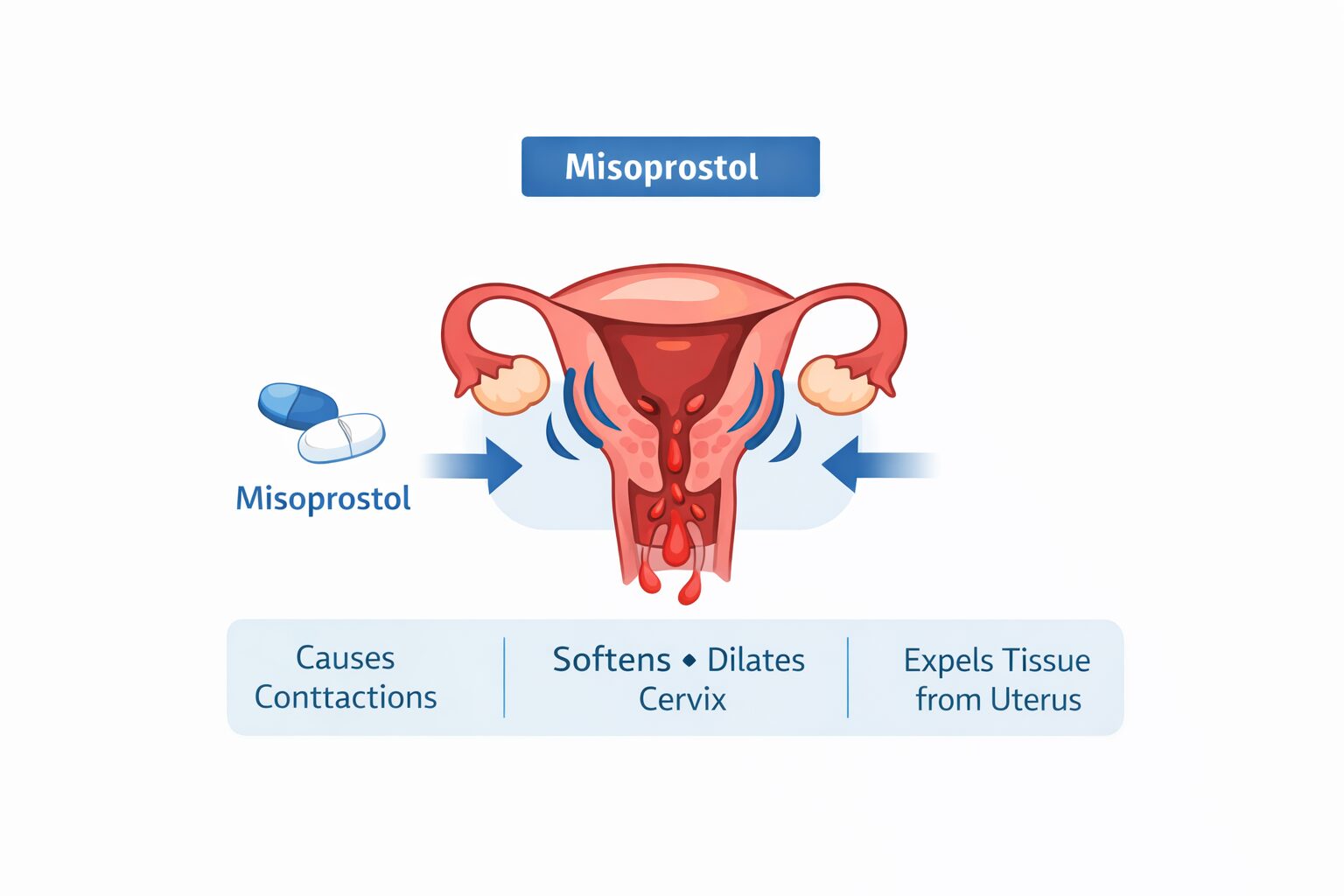
- Causes contractions of the uterus
- Softens the cervix and opens it for delivery
- Causes the contents of the uterus to be expelled
Because misoprostol works on smooth muscles, it may also stimulate the intestines – which is why one of the most commonly asked questions is “Why does misoprostol cause diarrhea?”.
Frequently Asked Questions
Can I Eat Ice Cream After Taking Misoprostol?
Yes, if you are inquiring whether or not it is ok to consume ice cream after taking Misoprostol, it is fine to consume light foods such as ice cream. If you have nausea, simply pick what you feel you can tolerate.
Does Misoprostol Expire?
Yes, if you are questioning whether or not Misoprostol med expires, they do expire. Expired medications can be less effective than fresh ones. Always check the package for an expiration date and your provider’s instructions.
How long does misoprostol take to start working?
The average time for a person to experience cramping and bleeding is 1–4 hours after taking Misoprostol, however, this varies for each individual. Learn more about how long the abortion pill takes from start to finish in our dedicated guide.
Can I shower after taking misoprostol?
Yes, you can shower. A warm shower can help relieve cramping and discomfort. You can also read about can I lie down after taking abortion pills and can I walk around while waiting for bleeding for complete guidance on positioning and activity during the process.
How will I know if misoprostol worked?
The signs that Misoprostol has worked include heavy bleeding, cramping and clotting. Your provider may recommend a follow-up appointment or a home pregnancy test to confirm if the abortion was successful. Read our full guide on how to know if the abortion pill worked and what are the signs that the abortion pill has worked for a complete breakdown.
Serenity Choice Health: Safe, Supportive Care
At Serenity Choice Health we provide:
- Confidential abortion care
- Expert advice on how to use misoprostol
- Clear instructions, and follow-up support
- Compassionate, judgment free health care
If you have questions about Misoprostol side effects, vaginal Misoprostol side effects, or how to stop diarrhea after using Misoprostol, please contact our medical team. You can also explore your abortion experience before, during and after care guide for complete support at every stage of the process.

Dr. James Carter is a board-certified physician and lead clinician at Serenity Choice Health, specializing in reproductive health access and medication abortion protocols. With over 20+ years of experience, he combines clinical expertise with patient-centered care to ensure safe, compassionate, and confidential reproductive healthcare.