

Pain during sex is more common than many people realize, yet it is often left unspoken because of embarrassment or uncertainty. While occasional discomfort may happen for various reasons, ongoing or recurring pain during sex should not be ignored.
Painful intercourse, medically known as dyspareunia, can affect physical comfort, emotional well-being, relationships, and overall quality of life. The good news is that many causes are treatable once they are properly identified.
This guide explains the most common causes of pain during intercourse, how healthcare providers diagnose the problem, available treatment options, and when it’s time to seek medical care.
What Is Pain During Sex?
Pain during sex refers to discomfort that occurs before, during, or after sexual intercourse. The pain may occur at the entrance of the vagina, deeper in the pelvis, or throughout intercourse.
Some people experience pain only occasionally, while others have persistent symptoms that interfere with intimacy.
Pain may feel like:
- Burning
- Sharp pain
- Stabbing sensation
- Cramping
- Deep pelvic pressure
- Aching after intercourse
Understanding where and when the pain occurs helps healthcare providers identify the underlying cause.
Common Symptoms of Pain During Sex
Symptoms vary depending on the underlying condition. Common symptoms include:
- Pain during penetration
- Deep pelvic pain during intercourse
- Burning sensation
- Vaginal dryness
- Pain with certain positions
- Pain after intercourse
- Pelvic cramping
- Bleeding after sex
- Muscle tightness
- Difficulty relaxing during intercourse
Some people experience symptoms every time they have sex, while others notice discomfort only under certain circumstances.
Common Causes of Pain During Sex
Painful intercourse can have many different causes. Sometimes more than one factor contributes to the symptoms.
Vaginal Dryness
One of the most common causes is inadequate lubrication. This may occur because of:
- Hormonal changes
- Menopause
- Breastfeeding
- Certain medications
- Limited arousal
Insufficient lubrication increases friction and can make intercourse uncomfortable. Hormonal changes from contraception can also play a role learn more about common birth control side effects and how they may affect your body.
Infections
Several infections may lead to discomfort during intercourse, including:
- Yeast infections
- Urinary tract infections
- Bacterial infections
- Some sexually transmitted infections
These conditions often cause inflammation, irritation, and tenderness. If you are experiencing burning when you pee alongside pain during sex, this may indicate a UTI or STI that needs prompt evaluation. Our STI and STD testing services can help identify the cause accurately.
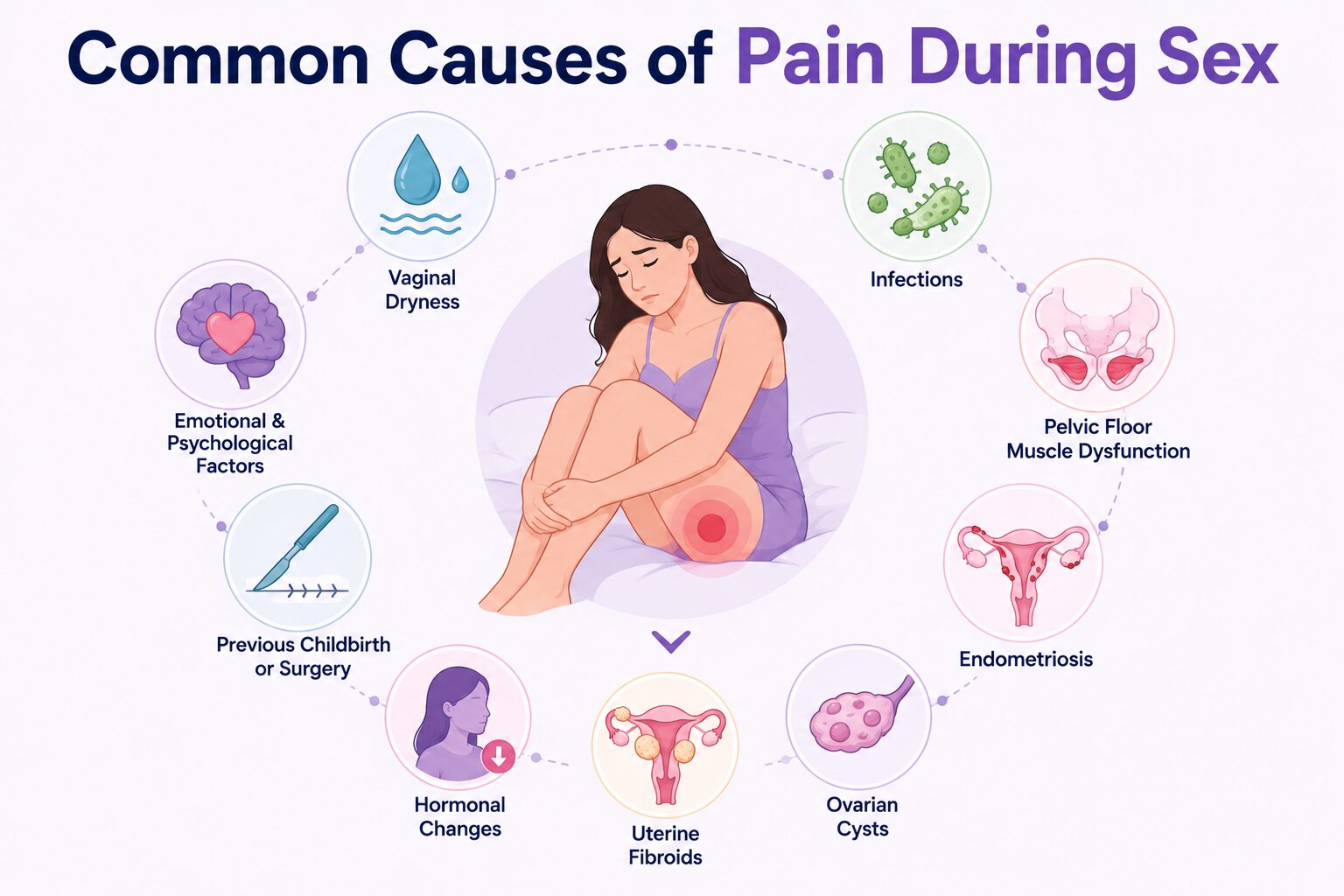
Pelvic Floor Muscle Dysfunction
The pelvic floor muscles support the bladder, uterus, and bowel. When these muscles become overly tight or fail to relax properly, intercourse may become painful. Symptoms often include:
- Pain during penetration
- Pelvic pressure
- Difficulty inserting tampons
- Muscle spasms
Endometriosis
Endometriosis occurs when tissue similar to the uterine lining grows outside the uterus. Many people experience:
- Deep pain during sex
- Severe menstrual cramps
- Chronic pelvic pain
- Painful bowel movements
Ovarian Cysts
Some ovarian cysts can cause discomfort during intercourse, especially when penetration is deep. Additional symptoms may include:
- Pelvic pressure
- Bloating
- One-sided pelvic pain
Uterine Fibroids
Fibroids are noncancerous growths in the uterus that may contribute to:
- Heavy periods
- Pelvic pressure
- Deep pain during intercourse
Vaginal or Pelvic Inflammation
Inflammation from infections, skin conditions, or irritation can make intercourse painful. Even minor inflammation can increase sensitivity. Changes in vaginal discharge are often an early sign — read our guide on vaginal discharge and when you should get tested to understand what warrants evaluation.
Hormonal Changes
Reduced estrogen levels can thin vaginal tissues and decrease natural lubrication. This commonly occurs during:
- Menopause
- Breastfeeding
- Certain medical treatments
Our birth control and contraceptive services include guidance on how hormonal methods may affect vaginal health and what options are available.
Previous Childbirth or Surgery
Healing tissues after childbirth or pelvic surgery may temporarily contribute to painful intercourse. Scar tissue can also play a role in some individuals.
Emotional and Psychological Factors
Physical and emotional health are closely connected. Stress, anxiety, previous painful experiences, relationship concerns, or fear of pain may contribute to muscle tension and discomfort. These factors do not mean the pain is “imagined.” Emotional health can influence physical symptoms and deserves appropriate attention.
Risk Factors
Certain factors increase the likelihood of painful intercourse. These include:
- Menopause
- Hormonal changes
- Previous pelvic surgery
- Pelvic inflammatory conditions
- Chronic pelvic pain disorders
- Vaginal infections
- Endometriosis
- Childbirth recovery
- Certain medications
- Anxiety related to intercourse
It is also worth noting that many STIs produce no symptoms at all — read our guide on whether you can have an STI without symptoms to understand why routine screening matters even without obvious signs of infection.
When Is Pain During Sex Not Normal?
Occasional mild discomfort may happen, but persistent pain should always be evaluated. Seek medical care if you experience:
- Pain during every sexual encounter
- Sudden severe pain
- Bleeding after intercourse
- Fever with pelvic pain
- Abnormal vaginal discharge
- Persistent pelvic pain
- Pain lasting after intercourse
- Pain that worsens over time
- Pain affecting your relationship or daily life
Early evaluation often leads to faster diagnosis and more effective treatment.
How Healthcare Providers Diagnose Pain During Sex
Diagnosis begins with a detailed discussion about your symptoms. Your provider may ask:
- Where does the pain occur?
- When did it begin?
- Is the pain during penetration or deeper?
- Does it happen every time?
- Are there other symptoms?
Depending on your symptoms, evaluation may include:
- Pelvic examination
- Review of medical history
- Laboratory testing if infection is suspected
- Imaging studies such as ultrasound when appropriate
If an STI is suspected, read our guide on what happens during an STI test so you know exactly what to expect. It is also important to know that a Pap smear does not test for STIs — read our guide on whether Pap smears test for STIs to understand the difference. Diagnosis focuses on identifying the underlying cause rather than simply treating the symptom.
Treatment Options for Pain During Sex
Treatment depends entirely on the cause.
Treating Underlying Infections
Appropriate medications can resolve bacterial, fungal, or certain sexually transmitted infections.
Lubricants and Moisturizers
Water-based lubricants may reduce friction and improve comfort during intercourse. For persistent dryness, vaginal moisturizers may also help.
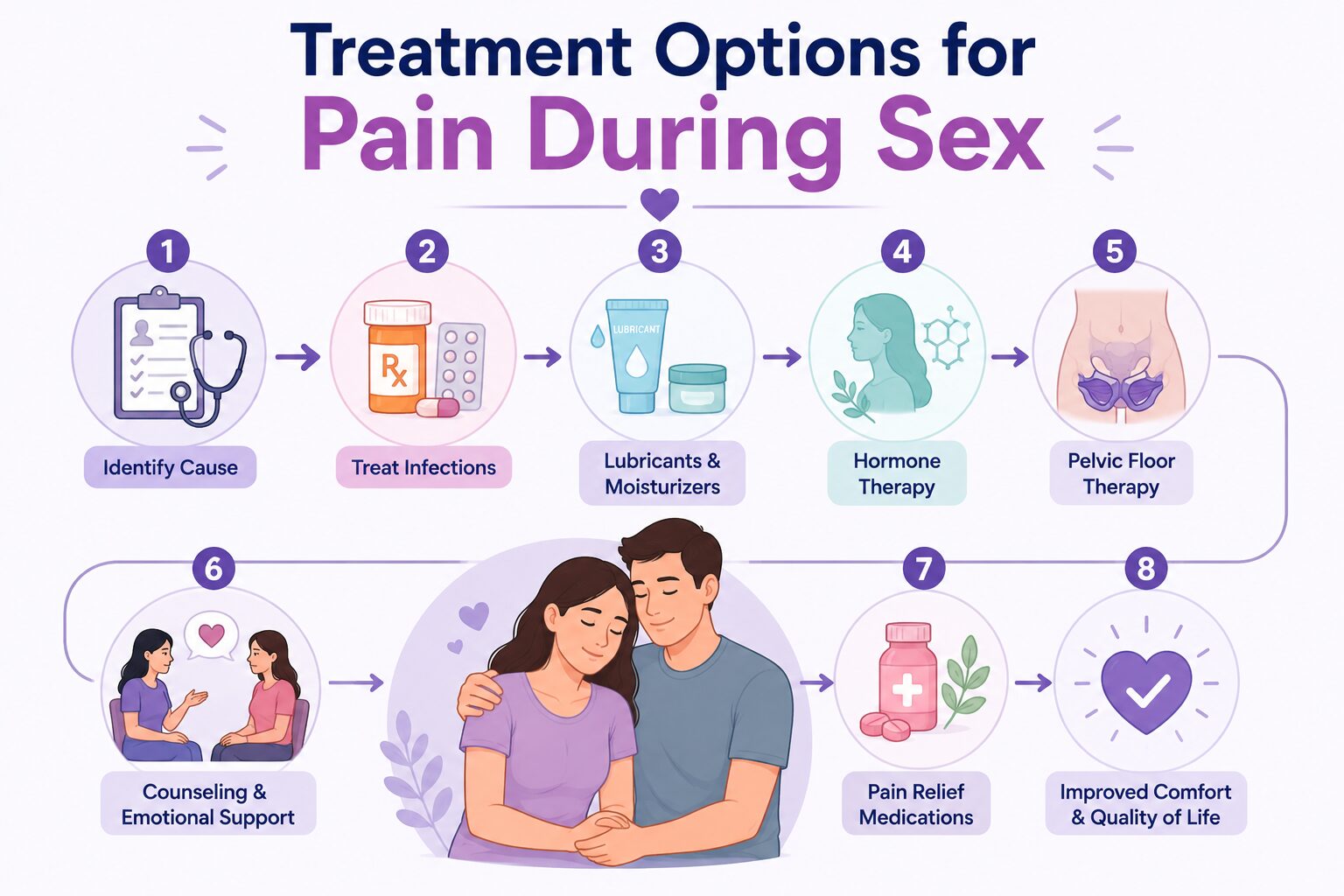
Hormone Therapy
For individuals experiencing estrogen-related vaginal changes, a healthcare provider may recommend hormone-based treatments when appropriate.
Pelvic Floor Physical Therapy
Specialized physical therapy can help relax tight pelvic muscles, improve flexibility, and reduce pain.
Managing Chronic Conditions
Conditions such as endometriosis, fibroids, or ovarian cysts may require individualized treatment plans.
Counseling or Sex Therapy
When emotional factors contribute to pain, counseling may help reduce anxiety, improve communication, and support recovery alongside medical treatment.
Self Care Tips
Although medical evaluation is important for persistent symptoms, these strategies may improve comfort:
- Use adequate lubrication
- Communicate openly with your partner
- Avoid rushing intimacy
- Empty your bladder before intercourse if recommended
- Practice pelvic floor relaxation exercises
- Follow treatment plans consistently
- Avoid irritants such as scented products if they worsen symptoms
These steps support comfort but should not replace professional evaluation when pain continues.
Can Pain During Sex Be Prevented?
Not every cause can be prevented, but healthy habits may reduce the risk. Helpful strategies include:
- Attending routine gynecologic checkups
- Treating infections promptly
- Using appropriate lubrication when needed
- Managing chronic health conditions
- Practicing safe sex
- Discussing persistent symptoms early with a healthcare provider
Routine STI screening is an important part of prevention — learn more about how often women should get STI testing to stay on top of your sexual health.
When Should You See a Provider?
Schedule an appointment if pain:
- Happens repeatedly
- Is becoming more severe
- Causes bleeding
- Is associated with abnormal discharge
- Prevents enjoyable intimacy
- Occurs alongside chronic pelvic pain
Receiving an accurate diagnosis is the first step toward effective treatment and improved quality of life. Read our guide on when to see a women’s primary care provider for a full overview of what symptoms and situations warrant a visit.
Conclusion
Pain during sex is not something you have to simply live with. Whether the cause is vaginal dryness, pelvic floor dysfunction, hormonal changes, endometriosis, infection, or another medical condition, many treatment options are available.
Seeking care early can help identify the underlying cause, relieve discomfort, and improve both physical and emotional well-being. If painful intercourse continues or worsens, schedule an evaluation with a qualified healthcare provider to discuss your symptoms and receive personalized treatment recommendations.
Our women’s primary care services provide confidential evaluation and personalized care for persistent pain during sex. Early diagnosis can help identify treatable conditions and support long-term sexual and reproductive health. Book a confidential appointment today to speak with a provider who specializes in your health needs.
FAQ Section
Is pain during sex normal?
Occasional mild discomfort may occur, but persistent or recurring pain during sex is not considered normal and should be evaluated by a healthcare provider.
What causes pain during penetration?
Common causes include vaginal dryness, infections, pelvic floor muscle tightness, skin irritation, hormonal changes, or inflammation.
Why do I have deep pelvic pain during sex?
Deep pain may be associated with conditions such as endometriosis, ovarian cysts, uterine fibroids, or other pelvic disorders that require medical assessment.
Can stress or anxiety cause painful intercourse?
Stress and anxiety can contribute to muscle tension and make painful intercourse worse. Emotional factors may work alongside physical causes rather than replace them.
How is painful intercourse treated?
Treatment depends on the underlying cause and may include medications, lubricants, hormone therapy, pelvic floor physical therapy, counseling, or treatment for specific medical conditions.
When should I seek medical care?
You should see a healthcare provider if pain occurs repeatedly, becomes severe, causes bleeding, or interferes with your quality of life or intimate relationships.

Dr. James Carter is a board-certified physician and lead clinician at Serenity Choice Health, specializing in reproductive health access and medication abortion protocols. With over 20+ years of experience, he combines clinical expertise with patient-centered care to ensure safe, compassionate, and confidential reproductive healthcare.